
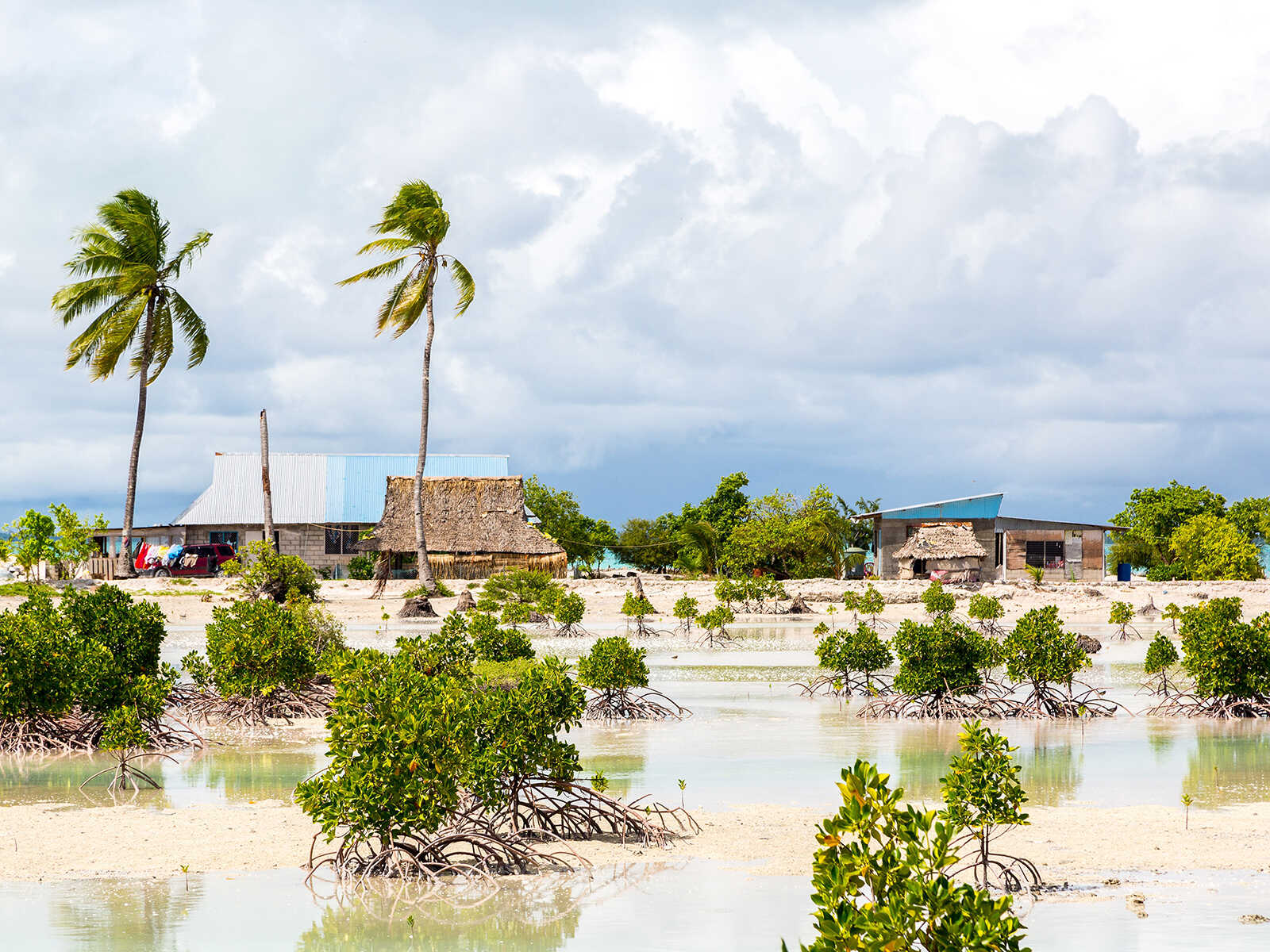
Best Time to Visit Kiribati: Weather, Events & Travel Tips
Planning a trip to Kiribati, the remote island nation straddling the equator, requires understanding its unique climate and seasonal nuances. Choosing the right time can significantly enhance your experience, whether you're seeking pristine diving conditions, vibrant cultural festivals, or simply tranquil relaxation.
This comprehensive guide will help you navigate Kiribati's weather patterns, highlight key events, and provide essential travel tips to ensure an unforgettable journey to these scattered jewels of the Pacific.
Understanding Kiribati's Climate: Equatorial Tropics
Kiribati's position around the equator means it experiences a tropical marine climate characterized by warm temperatures and high humidity year-round. Unlike many destinations with distinct four seasons, Kiribati primarily has two main periods: a drier season and a wetter season. However, even during the wetter months, rain often comes in short, intense bursts rather than prolonged downpours, allowing for plenty of sunshine.
Temperatures remain relatively consistent, typically hovering between 25°C and 32°C (77°F to 90°F) throughout the year, with ocean breezes providing some relief. The perceived "best" time often boils down to rainfall, humidity levels, and wind conditions, which can impact water activities.
The Dry Season: May to October (Peak Visiting Period)
For most visitors, the dry season is considered the optimal time to experience Kiribati. This period offers the most comfortable weather conditions, making it ideal for a wide range of activities.
- Weather:Expect less rainfall, lower humidity, and more consistent sunshine. The trade winds are typically moderate, leading to calmer seas and excellent visibility for water activities.
- Activities:
- Diving and Snorkeling:The clear, calm waters are perfect for exploring Kiribati's vibrant coral reefs and diverse marine life. The Tarawa lagoon offers fascinating wreck diving opportunities from WWII.
- Fishing:World-class game fishing, particularly in the Line Islands, thrives during this season.Kiritimati(Christmas Island) is renowned globally for its bonefishing and fly-fishing opportunities.
- Beach Activities:Enjoy swimming, sunbathing, and exploring the pristine, uncrowded beaches across the atolls.
- Cultural Exploration:With more predictable weather, exploring local villages and historical sites on islands like Tarawa is more comfortable.
- Crowds:While Kiribati never truly feels crowded, this is generally its busiest period. It's advisable to book flights and accommodations further in advance, especially for the more popular islands.
Fun Fact:Kiribati is the only country in the world to straddle all four hemispheres, with islands in the northern, southern, eastern, and western hemispheres!
The Wet Season: November to April (Off-Peak & Unique Charm)
While often called the "wet season," this period isn't necessarily a write-off for travel. It simply means more frequent, though often short and intense, rainfall.
- Weather:Higher humidity and increased chances of rain showers, sometimes accompanied by stronger winds or tropical depressions, particularly from December to March. Temperatures remain warm.
- Activities:
- Lush Landscapes:The rain brings out the lush greenery of the atolls, offering a different kind of beauty.
- Cultural Immersion:With fewer tourists, this can be an excellent time for deeper cultural interactions and experiencing local life without distraction.
- Photography:Dramatic skies and vibrant colors can make for stunning photographic opportunities.
- Relaxation:Embrace the slower pace of island life, read a book, and enjoy the tranquility.
- Crowds:This is the least busy time, meaning even fewer visitors and a more intimate experience.
- Benefits:While not guaranteed, you might find slightly better value on flights and accommodation during the off-peak season. Flexibility is key, as travel plans might need minor adjustments due to weather.
Regional Variations within Kiribati
Kiribati is vast, stretching across three main island groups: the Gilbert Islands, Phoenix Islands, and Line Islands. While the general seasonal trends apply, there can be subtle differences:
- Gilbert Islands (e.g.,Tarawa):These islands are closer to the equator and generally experience consistent warmth and humidity, with the dry and wet season differences being about rainfall intensity.
- Line Islands (e.g.,Kiritimati,Tabuaeran):Further east, these islands can sometimes experience slightly different weather patterns, influenced by phenomena like El Niño, which can bring more rain to the western Pacific and drier conditions to the central Pacific. However, the dry season (May-October) generally holds as the most stable for travel across all groups.
- Phoenix Islands (e.g.,Nikumaroro island):These are mostly uninhabited and protected areas, with access often requiring special permits and robust expedition planning, making seasonal considerations less about tourist comfort and more about logistical feasibility.
Key Events & Festivals to Consider
While Kiribati doesn't have a packed calendar of international-level festivals, local events offer a profound insight into I-Kiribati culture.
- Independence Day (July 12th):This is Kiribati's most significant national holiday. Celebrations include parades, traditional dances, canoe races, and speeches by dignitaries. It's a fantastic time to experience national pride and cultural richness, particularly on Tarawa, where events often take place near the Parliament Building. Visiting around this time during the dry season offers a double benefit.
- Christmas and New Year:Celebrated with Christian traditions, church services, family gatherings, and local feasts.Kiritimati(Christmas Island) has a unique charm during this period, living up to its name.
- Local Village & Church Festivals:Throughout the year, various villages and churches host their own celebrations, often featuring traditional singing (ruoia), dancing, and feasting. These are spontaneous and deeply authentic experiences.
Essential Travel Tips for Kiribati
Regardless of when you visit, these practical tips will enhance your trip:
- Book in Advance:Flights to Kiribati are limited, and accommodation options can be scarce, especially on outer islands. Book well ahead, particularly if traveling during the dry season or around Independence Day.
- Pack Smart:Light, breathable clothing is essential due to the constant warmth and humidity. Bring strong sun protection (hat, sunglasses, high SPF sunscreen), insect repellent, and a reusable water bottle. For the wet season, a light rain jacket or umbrella is useful.
- Health Precautions:Consult your doctor about recommended vaccinations. Carry a basic first-aid kit. Tap water is generally not safe to drink; stick to bottled or purified water.
- Embrace "Island Time":Things move at a slower pace in Kiribati. Be patient and flexible with schedules, transportation, and services.
- Respect Local Culture:Kiribati is a conservative nation. Dress modestly, especially outside tourist areas. Ask permission before taking photos of people. Learn a few basic I-Kiribati phrases like "Mauri" (hello).
- Limited Connectivity:Internet and mobile phone service can be sporadic and expensive, especially outside of Tarawa. Embrace the digital detox!
- Cash is King:While some larger establishments in Tarawa might accept cards, cash (Australian Dollars) is preferred and often essential on outer islands.
Conclusion
The "best" time to visit Kiribati largely depends on your priorities. For optimal weather conditions for diving, fishing, and general outdoor activities, thedry season from May to Octoberis highly recommended. If you prefer fewer tourists, lush scenery, and don't mind occasional rain, thewet season from November to Apriloffers a unique and authentic experience.
No matter when you choose to explore this captivating nation, Kiribati promises an unparalleled journey into one of the world's most remote and culturally rich destinations. Prepare for warmth, stunning natural beauty, and the genuine hospitality of the I-Kiribati people.