
Ultimate Guide to Nairobi National Park: A Wildlife Safari from the City
Imagine seeing lions stalk their prey against a backdrop of city skyscrapers. This surreal yet captivating experience is exactly what awaits visitors at Nairobi National Park, the world's only wildlife park located within a capital city. This comprehensive guide will equip you with everything you need to plan an unforgettable safari adventure right on Nairobi's doorstep.
Nairobi National Park: Where Wilderness Meets Urbanity
Established in 1946,Nairobi National Park stands as a testament to Kenya's commitment to wildlife conservation. Covering an area of 117 square kilometers (45 square miles), this relatively small park punches above its weight, offering a thriving ecosystem just a stone's throw from the bustling city center. Its unique proximity makes it incredibly accessible for both locals and international travelers, providing an immediate immersion into Kenya's renowned wildlife.
The park is characterized by open grass plains, scattered acacia bush, and a high-altitude dry forest along the Mbagathi River. To the south, it shares a boundary with the Athi-Kapiti Plains, allowing for migratory movements of wildlife, though the northern boundary is fenced to prevent human-wildlife conflict.
Encountering the Wild: What Wildlife to Expect
Despite its urban setting, Nairobi National Park boasts a remarkable diversity of wildlife. It's often referred to as a "rhino sanctuary" and plays a critical role in the conservation of this endangered species.
The Big Four and More:
- Rhinos:The park is home to a significant population of both black and white rhinos, making sightings highly probable. It's one of the best places in Kenya to see these magnificent creatures.
- Lions:Prides of lions are regularly spotted, often resting in the shade or on the hunt, especially during early mornings or late afternoons.
- Leopards:While more elusive, leopards are present in the park, requiring a keen eye and a bit of luck to spot them.
- Buffalo:Herds of African buffalo roam the plains, often seen near water sources or in denser bush.
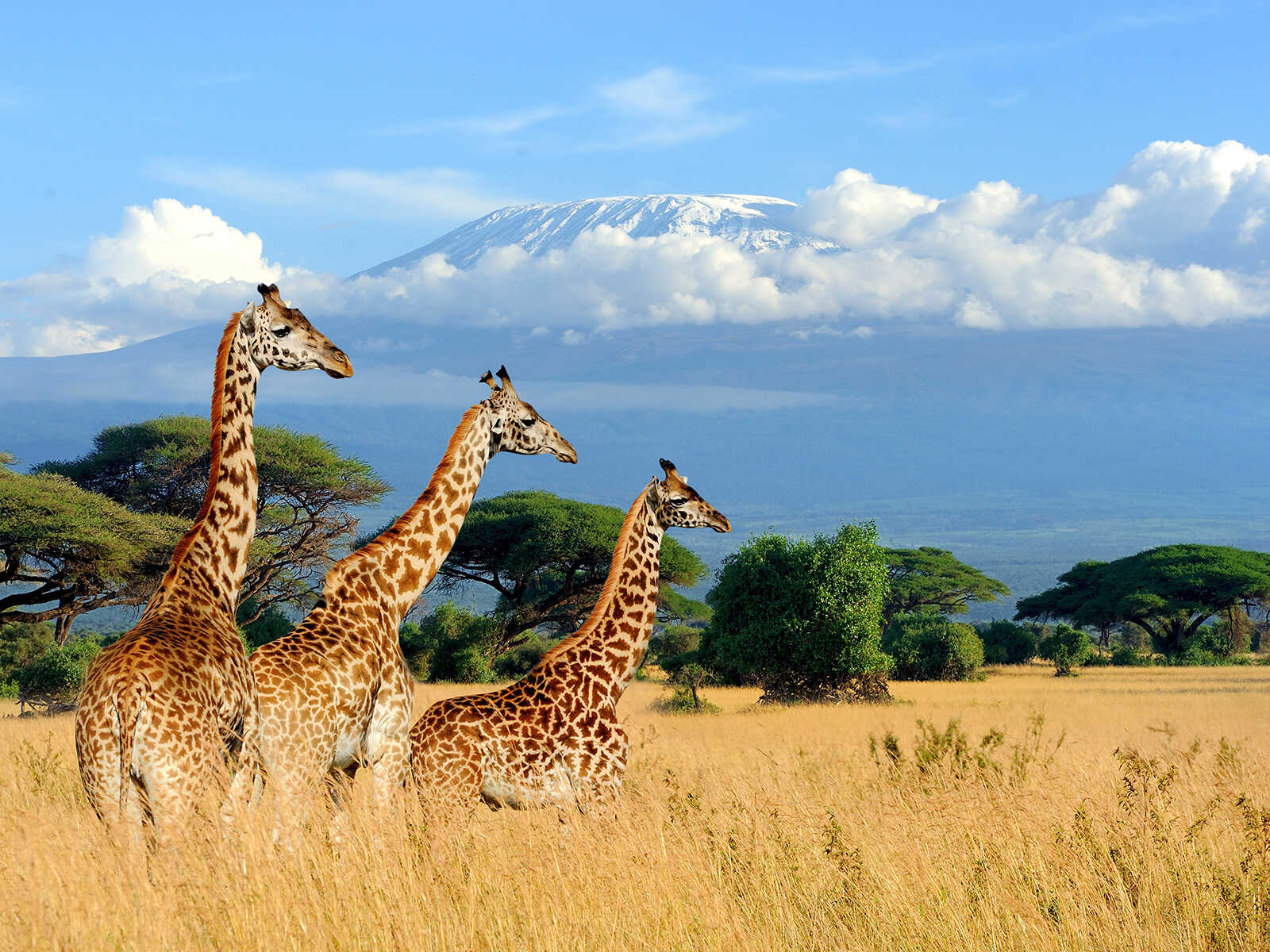
- Giraffes:Both Maasai and Rothschild's giraffes are common, gracefully browsing on acacia trees.
- Zebras:Large herds of plains zebras add to the classic safari landscape.
- Antelopes:A wide variety, including eland, impala, hartebeest, wildebeest, and gazelles, populate the plains.
- Birds:Over 400 species of birds have been recorded, making it a birdwatcher's paradise.
While elephants are not permanent residents of Nairobi National Park due to its size and fencing, the other members of the "Big Five" are present, offering an authentic safari experience.
Best Time to Visit Nairobi National Park
The park is a year-round destination, but certain times offer unique advantages:
- Dry Season (June to October & December to February):This is generally considered the best time for game viewing. Wildlife congregates around permanent water sources, making them easier to spot. The vegetation is sparser, further aiding visibility. Temperatures are pleasant, and rainfall is minimal.
- Wet Season (March to May & November):The landscape transforms into lush green, and it's an excellent time for birdwatching as migratory species arrive. While game viewing can be slightly more challenging due to thicker vegetation, you might witness newborn animals, and the park is less crowded.
Early mornings (from 6:00 AM) and late afternoons (until 6:00 PM) are typically the best times for game drives, as animals are most active during these cooler periods.
Getting There and Around
Nairobi National Park is incredibly accessible, with several gates:
- Main Gate (KWS Headquarters):Located on Lang'ata Road, this is the most common entry point.
- Cheetah Gate:Also on Lang'ata Road, close to the David Sheldrick Wildlife Trust.
- Mbagathi Gate:South-eastern gate.
- Rongai Gate:Southern gate.
Transportation Options:
- Organized Tour:The most convenient option. Many tour operators in Nairobi offer half-day or full-day safaris, including transport and a guide. This is recommended for first-time visitors.
- Taxi/Ride-Sharing:You can hire a taxi or use ride-sharing apps to get to the main gate, but you will need to arrange for a safari vehicle once inside or have a pre-booked tour.
- Self-Drive:Possible with a 4x4 vehicle. Ensure you have a good map or GPS and are familiar with safari driving etiquette. Roads within the park are generally well-maintained but can become challenging during the wet season.
Expert Tip:Consider hiring a Kenya Wildlife Service (KWS) guide at the main gate. Their extensive knowledge of the park and animal behavior significantly enhances the safari experience and increases your chances of spotting elusive wildlife.
Activities and Experiences Within and Around the Park
Beyond traditional game drives,Nairobi National Park and its immediate surroundings offer several enriching activities:
Inside the Park:
- Game Drives:The primary activity, offering opportunities to spot diverse wildlife.
- Nairobi Safari Walk:A raised boardwalk that allows visitors to view a sample of Kenya's rich wildlife, including rare bongo antelopes and white rhinos, in a semi-captive environment.
- Animal Orphanage:Located at the main gate, this facility takes in injured and orphaned wild animals for rehabilitation before releasing them back into the wild.
- Ivory Burning Site Monument:A poignant reminder of Kenya's commitment to anti-poaching, where former President Moi famously burned 12 tons of ivory in 1989.
Nearby Attractions (Adjacent to the Park):
- David Sheldrick Wildlife Trust(DSWT):Located at the park's edge, this elephant orphanage is world-renowned for rescuing and rehabilitating orphaned elephants and rhinos. Visitors can observe feeding times and learn about their conservation efforts.
- Giraffe Centre:While not inside the park, it's very close by. Here, you can get up close and personal with endangered Rothschild's giraffes, feeding them by hand from a raised platform.
Conservation Efforts: A Sanctuary for Rhinos
Nairobi National Park is a vital sanctuary for endangered black rhinos. The park's anti-poaching unit works tirelessly to protect these magnificent animals, and visitors contribute directly to these efforts through park fees. The success of rhino conservation here is a beacon of hope for wildlife preservation across Kenya and beyond.
What to Pack for Your Safari
To ensure a comfortable and rewarding safari, consider packing the following:
- Binoculars:Essential for spotting distant wildlife and birdwatching.
- Camera with zoom lens:To capture incredible wildlife moments.
- Light layers of clothing:Temperatures can vary from cool mornings to warm afternoons.
- Hat, sunglasses, and sunscreen:Protection from the sun.
- Comfortable walking shoes:If you plan to visit the Safari Walk or David Sheldrick Wildlife Trust.
- Reusable water bottle:Stay hydrated.
- Insect repellent:Especially during the wet season.
Tips for a Memorable Safari Experience
- Be Patient:Wildlife sightings can require patience. Enjoy the scenery between encounters.
- Go Early:Animals are most active in the cooler morning hours.
- Stay in Your Vehicle:For your safety and the animals' well-being, always remain inside your safari vehicle unless at designated areas.
- Respect the Wildlife:Maintain a respectful distance and avoid loud noises.
- Listen to Your Guide:Professional guides have invaluable knowledge about animal behavior and the park.
- Carry Cash:For small purchases or tips, though park fees are usually paid electronically.
Beyond Nairobi: Expanding Your Kenyan Safari
While Nairobi National Park offers an incredible city safari, Kenya boasts a wealth of other spectacular wildlife destinations. Consider extending your adventure to iconic parks like the Maasai Mara National Reserve for the Great Migration,Amboseli National Park for stunning views of Mount Kilimanjaro and large elephant herds, or Ol Pejeta Conservancy for chimpanzee trekking and further rhino encounters. For a different experience, explore the semi-arid landscapes of Samburu Trails or the birdlife at Lake Nakuru.
Nairobi National Park offers an unparalleled opportunity to witness Africa's magnificent wildlife without venturing far from the comforts of the capital. It's a truly unique destination that perfectly blends urban convenience with raw wilderness, making it an essential stop on any Kenyan itinerary.