
Samburu National Reserve: Unique Wildlife and Cultural Encounters
Nestled in Kenya's arid northern reaches, Samburu National Reserve offers an authentic and unforgettable safari experience, starkly different from its southern counterparts. This rugged wilderness, bisected by the Ewaso Ng'iro River, is a land of unique wildlife adaptations and profound cultural encounters with the vibrant Samburu people.
Discovering Samburu's Distinctive Landscape
Samburu National Reserve lies north of the equator, defined by its semi-arid environment, dramatic landscapes, and the life-giving Ewaso Ng'iro River. This river is the lifeline of the reserve, attracting a remarkable concentration of wildlife to its banks, particularly during the dry season. The scenery is a captivating blend of open plains, acacia woodlands, riverine forests, and rugged hills, providing a stunning backdrop for game viewing.
Unlike the vast grasslands of the Maasai Mara National Reserve, Samburu presents a wilder, more remote feel, with fewer crowds and an undeniable sense of raw, untamed Africa. Its unique ecosystem fosters a distinct array of animal species, earning it a special place on any Kenyan safari itinerary.
The Samburu Special Five: A Unique Wildlife Spectacle
One of Samburu's primary draws is the opportunity to spot the "Samburu Special Five" – five unique animal species rarely found together elsewhere in Kenya. These animals have adapted remarkably to the arid conditions of the region, making a sighting here particularly rewarding.
The Gerenuk (Giraffe-necked Antelope)
The gerenuk is perhaps the most distinctive of the Special Five, known for its remarkably long neck and slender legs. These elegant antelopes often stand on their hind legs to reach higher leaves and twigs, an adaptation that allows them to browse vegetation inaccessible to other herbivores. Witnessing a gerenuk gracefully stretching for a meal is a truly unique sight.
Grevy's Zebra
Distinguished by their narrower, more numerous stripes and large, rounded ears, Grevy's zebras are an endangered species much rarer than the common plains zebra found in southern parks. Samburu is one of their most important strongholds, offering excellent chances to observe these magnificent animals with their striking, almost barcode-like patterns.
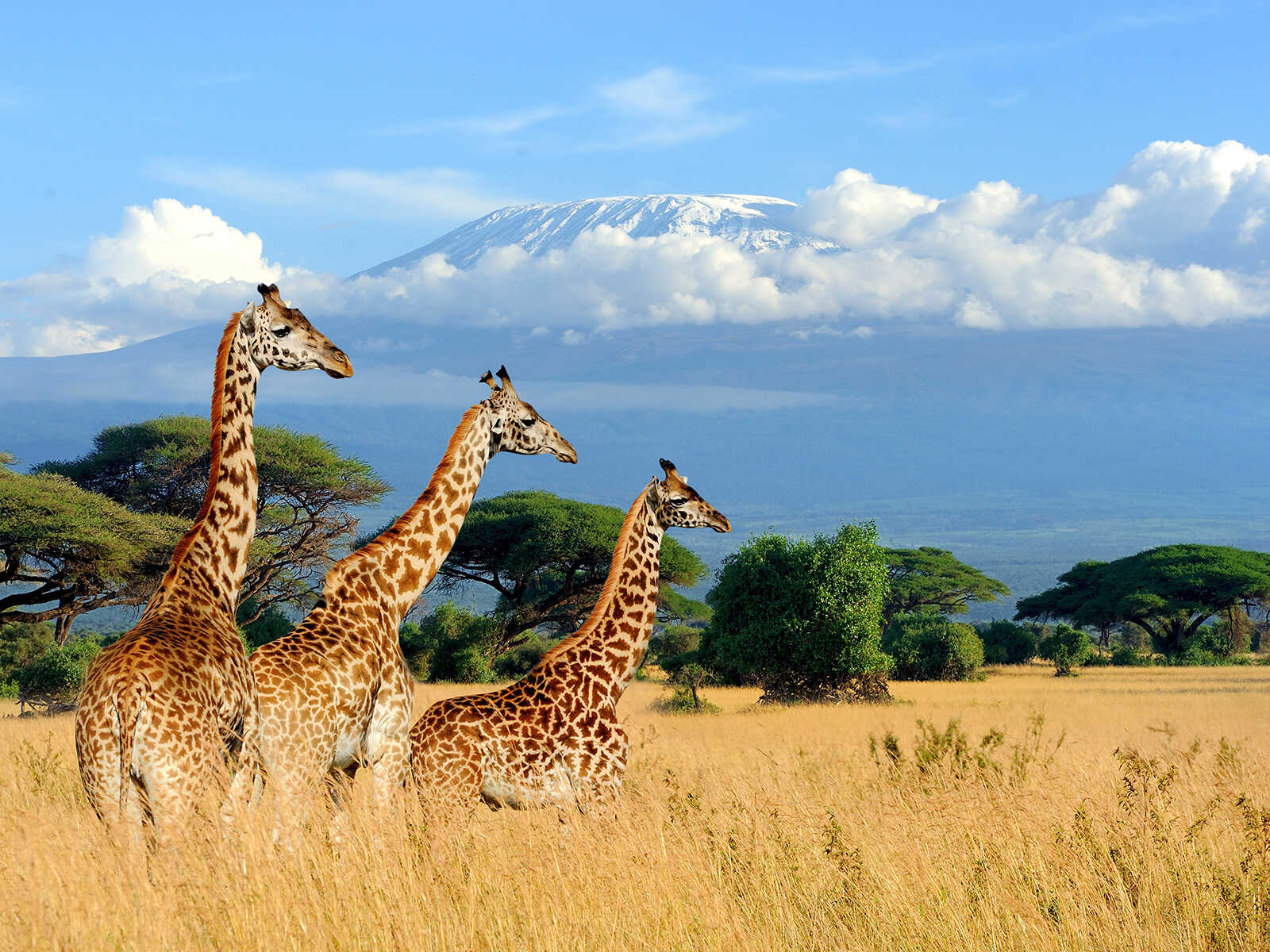
Reticulated Giraffe
With their striking, clearly defined polygonal patterns that appear painted onto their bodies, the reticulated giraffe is another icon of Samburu. Their rich, reddish-brown patches are separated by creamy white lines, making them visually distinct from other giraffe subspecies and a photographer's delight.
Somali Ostrich
Often mistaken for the common ostrich, the Somali ostrich is a distinct species identifiable by its blue-grey neck and legs (males intensify in blue during breeding season) and the absence of a white collar. They are well-adapted to the hot, dry climate of northern Kenya and are frequently seen foraging across the open plains.
Beisa Oryx
The Beisa oryx is a large, handsome antelope with long, straight, spear-like horns and a distinctive black and white facial pattern. These hardy animals are perfectly suited to the desert environment, capable of surviving for long periods without water, relying on moisture from the plants they eat.
Beyond the Special Five: Diverse Wildlife Encounters
While the Special Five are a highlight, Samburu is also home to a wide array of other incredible wildlife. Large herds of elephants are a common sight, often seen congregating along the Ewaso Ng'iro River, providing fantastic viewing opportunities. The reserve also boasts a healthy population of predators, including lions, leopards, and cheetahs. Visitors might also be lucky enough to spot the elusive African wild dog, which thrives in this ecosystem.
Birdwatchers will find Samburu a paradise, with over 450 species recorded. The riverine forests and diverse habitats attract a spectacular variety of avian life, from colorful bee-eaters and hornbills to various raptors and waterbirds.
Immersive Cultural Experiences with the Samburu People
A visit to Samburu offers more than just exceptional wildlife viewing; it provides a profound opportunity for cultural immersion. The Samburu people are semi-nomadic pastoralists, closely related to the Maasai but with their own distinct traditions and vibrant identity. Their lives revolve around their cattle, which are central to their culture, wealth, and social structure.
Many lodges and camps in the area partner with local Samburu communities, offering respectful cultural village visits. These experiences allow visitors to learn about their fascinating customs, witness traditional dances, and admire their intricate beadwork and distinctive red clothing. It's an opportunity to gain insight into a way of life that has largely remained unchanged for centuries, fostering a deeper appreciation for Kenya's diverse heritage.
The Samburu people are known for their striking red shukas, intricate beadwork, and deep respect for their cattle, which are central to their way of life.
Planning Your Samburu Safari
Best Time to Visit
The dry seasons, from June to October and December to March, are generally considered the best times for wildlife viewing in Samburu. During these months, animals congregate around the Ewaso Ng'iro River as other water sources dry up, making them easier to spot. The weather is typically hot and dry, with clear skies. The short rains in November and the long rains from April to May bring lush green landscapes and migratory birds, though some roads can become challenging.
Getting There
Most visitors opt for a fly-in safari to Samburu. Daily scheduled flights depart from Nairobi's Wilson Airport, typically connecting to airstrips within or near the reserve. Driving from Nairobi National Park or other central Kenyan locations is also an option, offering scenic views but involving a longer journey, often passing through the Great Rift Valley.
Accommodation Options
Samburu offers a range of accommodation, from luxurious tented camps to more rustic eco-lodges. Many establishments are strategically located along the Ewaso Ng'iro River, offering prime wildlife viewing directly from your camp. These options often prioritize sustainability and community involvement, providing an authentic and responsible safari experience.
Activities and Experiences
- Game Drives:The primary activity, offering morning and afternoon drives to explore the reserve's diverse habitats and spot the Special Five and other wildlife. Some private conservancies also offer night drives.
- Walking Safaris:Guided bush walks with experienced Samburu rangers provide an intimate perspective of the smaller flora and fauna, tracking, and understanding the ecosystem.
- Cultural Village Visits:Engage with the Samburu community, learn about their traditions, and support local initiatives.
- Bird Watching:With hundreds of species, Samburu is a birdwatcher's paradise.
- Sundowners:Enjoying a drink as the sun sets over the rugged landscape is a quintessential safari experience.
- Camel Safaris:A unique way to explore the dry riverbeds and plains, offering a different perspective of the bush.
Conservation and Community in Samburu
Samburu National Reserve, along with adjacent community conservancies, is a vital area for conservation in Kenya. Efforts here focus not only on protecting endangered species like the Grevy's zebra but also on fostering a harmonious relationship between wildlife and the local Samburu communities. Tourism plays a crucial role in supporting these initiatives, providing economic benefits that incentivize conservation, much like the successful models seen in places like Ol Pejeta Conservancy.
Why Samburu Should Be on Your Kenya Itinerary
For those seeking a safari experience that goes beyond the ordinary, Samburu National Reserve offers an unparalleled adventure. Its unique collection of wildlife, dramatic landscapes, and profound cultural encounters with the Samburu people set it apart. It’s a destination that complements well with other Kenyan highlights, providing a deeper, more rugged, and truly distinctive taste of East Africa.