
Lake Nakuru National Park: Flamingo Haven and Rhino Sanctuary Guide
Nestled in the heart of Kenya's Great Rift Valley, Lake Nakuru National Park is a true jewel, renowned globally for its stunning flamingo congregations and its critical role in rhino conservation. This guide provides an essential overview for planning your visit to this extraordinary wildlife destination.
Designated a national park in 1961, Lake Nakuru initially focused on protecting the vast flocks of flamingos that thrived on the lake's alkaline waters. Over the years, its conservation efforts expanded significantly, establishing it as Kenya's first private rhino sanctuary. Today, it stands as a testament to successful conservation, offering visitors a unique opportunity to witness incredible biodiversity against a backdrop of diverse landscapes.
The Flamingo Phenomenon: A Pink Spectacle
Lake Nakuru is perhaps most famous for its spectacular flamingo population. Historically, millions of both Lesser and Greater Flamingos would gather here, creating a breathtaking pink shoreline that stretched as far as the eye could see. The lake's rich blue-green algae, a primary food source, attracts these magnificent birds in astounding numbers.
While flamingo numbers can fluctuate due to changes in water levels and ecological shifts, the sight of thousands, if not hundreds of thousands, of these elegant birds remains a powerful draw. Lesser Flamingos, with their deeper pink plumage, are typically more numerous, filtering algae from the water, while the larger, paler Greater Flamingos sift for invertebrates and small crustaceans. Witnessing this natural spectacle, especially during sunrise or sunset, is an unforgettable experience for any visitor.
A Vital Rhino Sanctuary
Beyond its avian wonders, Lake Nakuru National Park plays a pivotal role in the conservation of one of Africa's most endangered species: the rhinoceros. The park is a designated sanctuary for both black and white rhinos, boasting one of the highest concentrations of these magnificent creatures in Kenya.
Efforts here have been instrumental in allowing rhino populations to recover and thrive in a secure environment. Visitors have an excellent chance of encountering both the critically endangered black rhino and the more numerous white rhino during game drives. The park's success in protecting these animals makes it a beacon of hope for wildlife conservation.
Conservation Fact:Lake Nakuru National Park's robust anti-poaching measures and dedicated breeding programs have made it a crucial stronghold for rhino populations, contributing significantly to their survival in Kenya.
Another prominent rhino conservation success story in Kenya can be found at Ol Pejeta Conservancy, which shares Lake Nakuru's dedication to protecting these iconic animals.
Beyond Flamingos and Rhinos: Diverse Wildlife Encounters
While flamingos and rhinos are undoubtedly the stars, Lake Nakuru National Park is home to a rich tapestry of other wildlife. The park's diverse habitats, ranging from grasslands and acacia forests to rocky cliffs and areas of marshland, support a wide array of species:
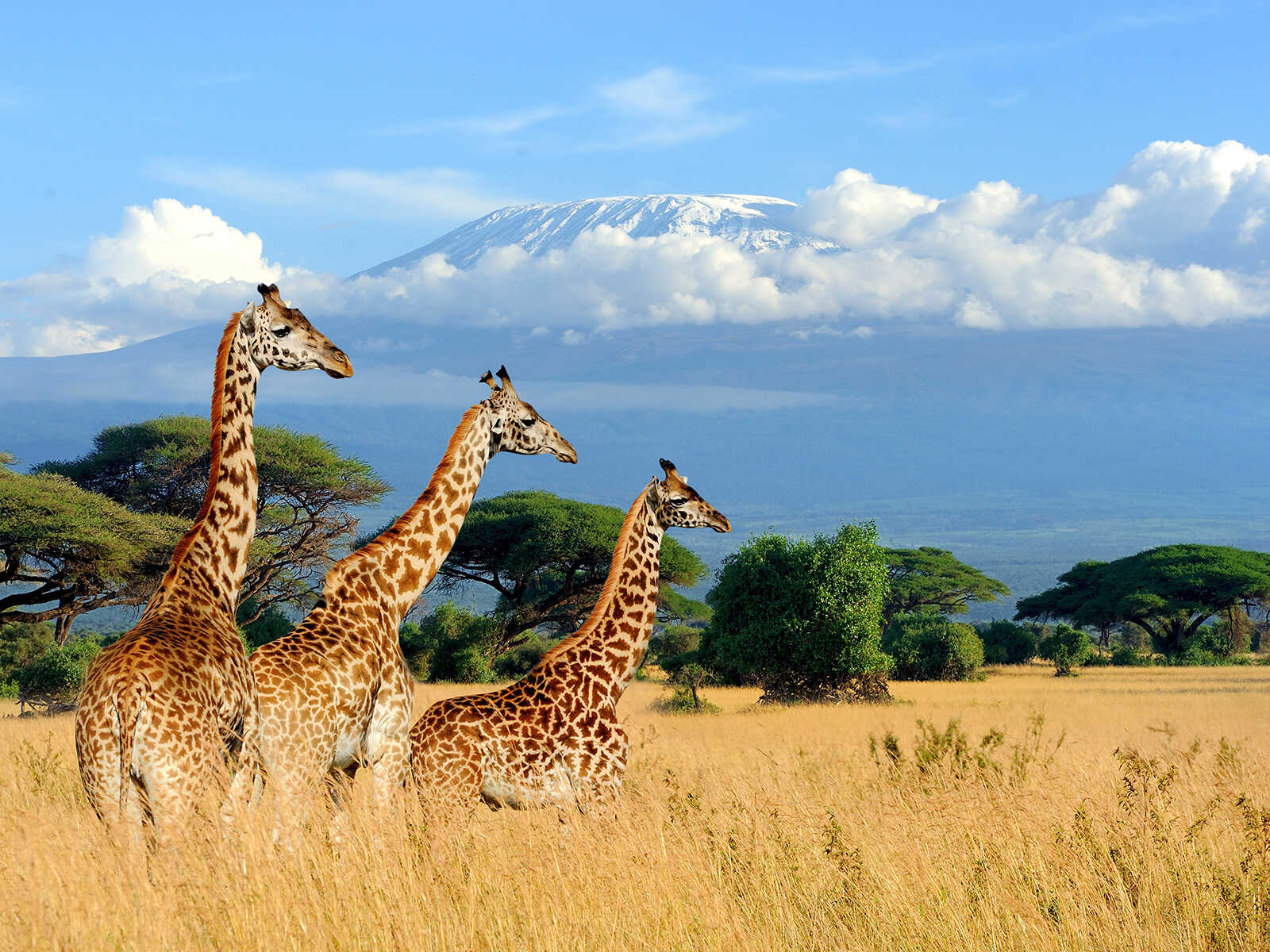
- Mammals:Look out for the rare Rothschild's giraffe, easily identified by their cream-colored legs and brown patches. You'll also encounter Cape buffalo, various antelopes like impala and waterbuck, zebras, and both lions and leopards (though these big cats are more elusive). Primates such as olive baboons and vervet monkeys are also common.
- Other Predators:Hyenas and jackals are present, adding to the park's predatory mix.
- Birdlife:With over 400 recorded bird species, it's a true birder's paradise. Beyond flamingos, you can spot great white pelicans, cormorants, African fish eagles, Goliath herons, and many migratory waterfowl.
Activities and Experiences in the Park
A visit to Lake Nakuru offers a range of activities designed to immerse you in its natural beauty and incredible wildlife:
- Game Drives:The primary activity, offering the best opportunities to see the diverse wildlife, including rhinos, Rothschild's giraffes, lions, and buffalo, alongside the spectacular birdlife.
- Bird Watching:Even if you're not a dedicated birder, the sheer variety and numbers of birds are captivating. Bring binoculars for the best views.
- Picnic Sites:Enjoy a packed lunch at designated scenic spots like Baboon Cliff and Out of Africa, offering panoramic views of the lake and its surroundings.
- Viewpoints:Ascend to elevated viewpoints such as Baboon Cliff for breathtaking vistas of the lake, often painted pink by flamingos, and the surrounding landscapes.
- Photography:The park provides endless opportunities for stunning wildlife and landscape photography, from close-ups of birds to wide shots of the Rift Valley scenery.
Best Time to Visit
The park is accessible year-round, but certain seasons offer distinct advantages:
- Dry Seasons (June to October, January to February):These are generally considered the best times for wildlife viewing. The vegetation is sparser, making animals easier to spot, and they tend to congregate around water sources. Roads are also in better condition.
- Wet Seasons (March to May, November to December):While game viewing can be more challenging due to thicker vegetation and potentially muddy roads, these months bring lush green landscapes, excellent birdwatching for migratory species, and fewer crowds.
Getting There and Around
Lake Nakuru National Park is conveniently located approximately 160 kilometers (100 miles) northwest of Nairobi, making it an ideal destination for a day trip or an overnight stay from the capital. The drive usually takes about 2-3 hours.
Most visitors arrive by road, either as part of an organized safari tour or by hiring a private vehicle. The park's proximity to Nairobi also makes it a popular stop on longer safari itineraries that might include destinations like the Maasai Mara National Reserve or Amboseli National Park. Nearby attractions like the Menengai Crater and Hells Gate National Park also offer additional exploration opportunities.
Once inside the park, game drives are conducted in safari vehicles. Self-driving is permitted, but a 4x4 vehicle is recommended, especially during the wet season.
Accommodation Options
Visitors to Lake Nakuru National Park have a range of accommodation choices to suit different preferences:
- Inside the Park:Several lodges and tented camps offer excellent facilities, often with stunning views and immediate access to game drives. Staying inside the park allows for early morning and late afternoon game viewing, which are prime times for spotting wildlife.
- Nakuru Town:The nearby town of Nakuru provides a wider selection of hotels, guesthouses, and budget-friendly options, typically a short drive from the park gates.
Tips for Your Visit
- Binoculars and Camera:Essential for enjoying the birdlife and capturing memorable wildlife moments.
- Layers of Clothing:Mornings and evenings can be cool, while midday is often warm.
- Sun Protection:A hat, sunglasses, and sunscreen are highly recommended.
- Stay Hydrated:Carry sufficient drinking water, especially during game drives.
- Park Rules:Always adhere to park regulations, including staying in your vehicle in designated areas, not feeding animals, and maintaining a respectful distance from wildlife.
- Respect the Environment:Do not litter and help preserve the park's pristine condition.
A Commitment to Conservation
Lake Nakuru National Park stands as a symbol of Kenya's unwavering commitment to wildlife conservation. The ongoing efforts to protect its unique ecosystem, from the delicate balance of its alkaline lake to the survival of its rhinos, are crucial for the future of these natural wonders. A visit here is not just an incredible safari experience; it's also a contribution to these vital conservation initiatives.
Conclusion
Lake Nakuru National Park offers an unparalleled safari experience, combining the awe-inspiring spectacle of millions of flamingos with the profound privilege of encountering rare rhinos. Its diverse landscapes and rich biodiversity make it a must-visit destination for anyone exploring Kenya. Prepare to be captivated by the vibrant life and dedicated conservation efforts that define this remarkable national park.