
Is Kenya Safe for Tourists? Expert Safety Tips for Travelers
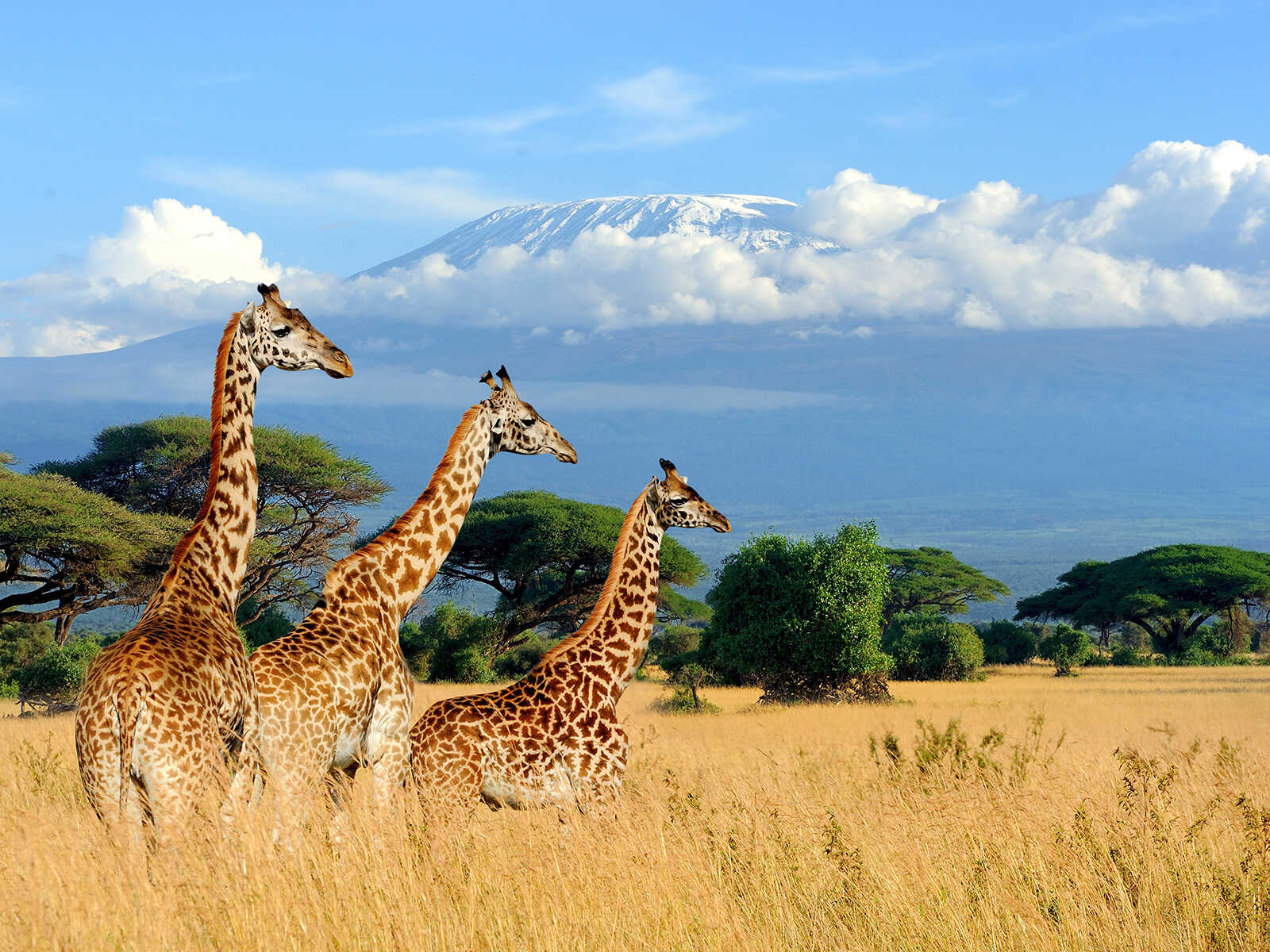
Kenya, a land of breathtaking landscapes and iconic wildlife, beckons travelers with promises of unforgettable adventures. While its allure is undeniable, many prospective visitors naturally ponder the question: "Is Kenya safe for tourists?" This comprehensive guide provides expert insights and practical tips to ensure a secure and memorable journey.
General Safety in Kenya: A Balanced Perspective
For the vast majority of tourists, Kenya is a safe and welcoming destination. Millions visit annually, enjoying its diverse attractions from thrilling safaris in the Maasai Mara National Reserve to relaxing beach holidays in Lamu without incident. However, like any travel destination, understanding local conditions and exercising common sense are key to a trouble-free experience. Most safety concerns for tourists revolve around petty crime in urban areas and the inherent risks of interacting with wildlife in their natural habitats.
Understanding Potential Risks
- Petty Crime:Opportunistic theft, such as pickpocketing and bag snatching, can occur, especially in crowded city areas like Nairobi and Mombasa. Tourists are sometimes targeted due to perceived wealth.
- Road Safety:Road conditions can vary, and driving standards may differ from what visitors are accustomed to. Accidents are unfortunately common.
- Wildlife Encounters:While thrilling, safaris involve being in close proximity to wild animals. Adhering to park rules and guide instructions is paramount for safety.
- Health Concerns:Mosquito-borne illnesses (like malaria), sun exposure, and food/waterborne diseases are factors to consider.
- Political Stability:Kenya generally enjoys stable governance, but localized protests or political gatherings can occasionally occur. Tourist areas are rarely affected.
Expert Safety Tips for Travelers
With proper preparation and awareness, you can significantly mitigate risks and fully enjoy Kenya's wonders.
Before You Go
- Research Travel Advisories:Always check the latest advisories from your home country's government. These provide up-to-date information on any specific areas to avoid or heightened security concerns.
- Secure Travel Insurance:Comprehensive travel insurance is essential. Ensure it covers medical emergencies, evacuations, lost luggage, and trip cancellations.
- Health Preparations:
- Consult your doctor about necessary vaccinations (e.g., Yellow Fever, Hepatitis A/B, Typhoid).
- Discuss malaria prophylaxis if you're traveling to high-risk areas.
- Pack a basic first-aid kit with any personal medications, pain relievers, and anti-diarrhea medication.
- Copies of Documents:Keep digital and physical copies of your passport, visa, flight tickets, and insurance details separate from the originals.
- Pack Smart:
- Avoid flashy jewelry or expensive items that might attract unwanted attention.
- Dress modestly, especially when visiting local communities or religious sites, to show respect for local customs.
During Your Trip
In Cities and Towns
Urban centers like Nairobi and Mombasa require a higher degree of vigilance than rural or safari areas.
- Stay Alert:Be aware of your surroundings, especially in crowded markets, bus stations, or tourist hotspots.
- Secure Valuables:Keep cash, credit cards, and passports in a secure, discreet place, such as a money belt worn under your clothing. Avoid carrying large sums of cash.
- Avoid Walking Alone at Night:Especially in poorly lit or unfamiliar areas. Use reputable taxis or ride-sharing services.
- Use Reputable Transport:Only use licensed taxis or ride-sharing apps like Uber/Bolt. Agree on a fare before starting your journey if there's no meter.
- Be Wary of Scams:Be cautious of overly friendly strangers offering unsolicited help or trying to sell you things. Trust your instincts.
Expert Tip:When exploring Nairobi, consider a guided tour of Nairobi National Park for an unparalleled urban wildlife experience, but always arrange transportation through your hotel or a trusted operator.
On Safari and in National Parks
Safari adventures are generally very safe, thanks to experienced guides and well-managed parks like Amboseli National Park,Ol Pejeta Conservancy, and Tsavo West National Park.
- Listen to Your Guide:Your safari guide is highly trained and knowledgeable about animal behavior. Always follow their instructions.
- Stay in Your Vehicle:Never exit your safari vehicle unless explicitly told it's safe to do so by your guide, especially in areas like Lake Nakuru or Aberdare National Park.
- Maintain Distance:Even from within the vehicle, respect the animals' space. Do not provoke or attempt to feed wildlife.
- Night Drives:If offered, participate in night drives only with experienced guides and proper vehicles.
- Campsite Safety:Most safari camps and lodges are fenced or have guards, but always be aware that you are in a wild environment. Do not wander outside your tent or room after dark without an escort.
Coastal Areas
Destinations like Malindi and the historic Fort Jesus in Mombasa offer beautiful beaches and rich culture.
- Beach Safety:Be mindful of your belongings on beaches. Avoid leaving items unattended.
- Water Activities:Only engage in water sports with reputable operators. Understand local currents and marine life.
Transportation Safety
- Choose Reputable Operators:For safaris and inter-city travel, book through established tour companies or your accommodation.
- Avoid Night Driving:Long-distance self-driving at night is strongly discouraged due to poor road conditions, lack of lighting, and potential for crime.
- Seatbelts:Always wear your seatbelt, whether in a taxi, safari vehicle, or private car.
Health and Well-being
- Stay Hydrated:Drink plenty of bottled or purified water, especially in hot climates.
- Sun Protection:Use high SPF sunscreen, wear a wide-brimmed hat, and sunglasses.
- Mosquito Protection:Use insect repellent, wear long sleeves and pants at dawn/dusk, and sleep under a mosquito net if provided.
- Food and Water:Stick to bottled water. Be cautious with street food; opt for freshly cooked, hot meals from busy establishments. Avoid uncooked vegetables or unpeeled fruits unless prepared in a trusted setting.
- Emergency Contacts:Keep a list of emergency numbers (local police, your embassy, tour operator, travel insurance) readily accessible.
Specific Regions: What to Know
- Nairobi:As a major capital, it has areas with higher crime rates. Exercise caution in the city center, Eastleigh, and certain informal settlements. Tourist areas like Karen (home to the David Sheldrick Wildlife Trust) are generally safer.
- Safari Parks:National parks and reserves like the Maasai Mara,Tsavo West(where you can visit Mzima Springs and explore near the Galana River), and Hells Gate National Park are well-managed and extremely safe for guided tours.
- Coastal Areas:Destinations like Mombasa, Diani,Lamu, and Malindi are popular and generally safe, but petty crime can occur. Be mindful of personal belongings on beaches and in crowded areas.
- Northern Kenya:Regions closer to the borders with Somalia, Ethiopia, and South Sudan, including areas around Lake Turkana, can have higher security risks due to banditry or inter-communal conflicts. Travel to these areas is typically done with specialized tour operators and security arrangements. Most tourist itineraries do not include these regions.
- Hiking & Trekking:For adventures like climbing Mount Kenya or exploring the Great Rift Valley(including sights like the Menengai Crater), always use certified guides and follow established routes.
Emergency Information
Knowing who to contact in an emergency is crucial:
- Police, Fire, Ambulance:999 (general emergency number)
- Tourist Police:While not a separate entity, you can ask for the 'Tourist Police' at local stations for assistance specific to visitors.
- Your Embassy/Consulate:Keep their contact details handy.
- Tour Operator:Your local tour operator will be your primary point of contact for immediate assistance.
Conclusion
Kenya is an extraordinary destination, offering unparalleled wildlife experiences, vibrant cultures, and stunning natural beauty. By taking sensible precautions, staying informed, and respecting local customs, you can enjoy a safe, enriching, and unforgettable journey through this incredible East African nation. The vast majority of visitors leave with cherished memories and a desire to return.