
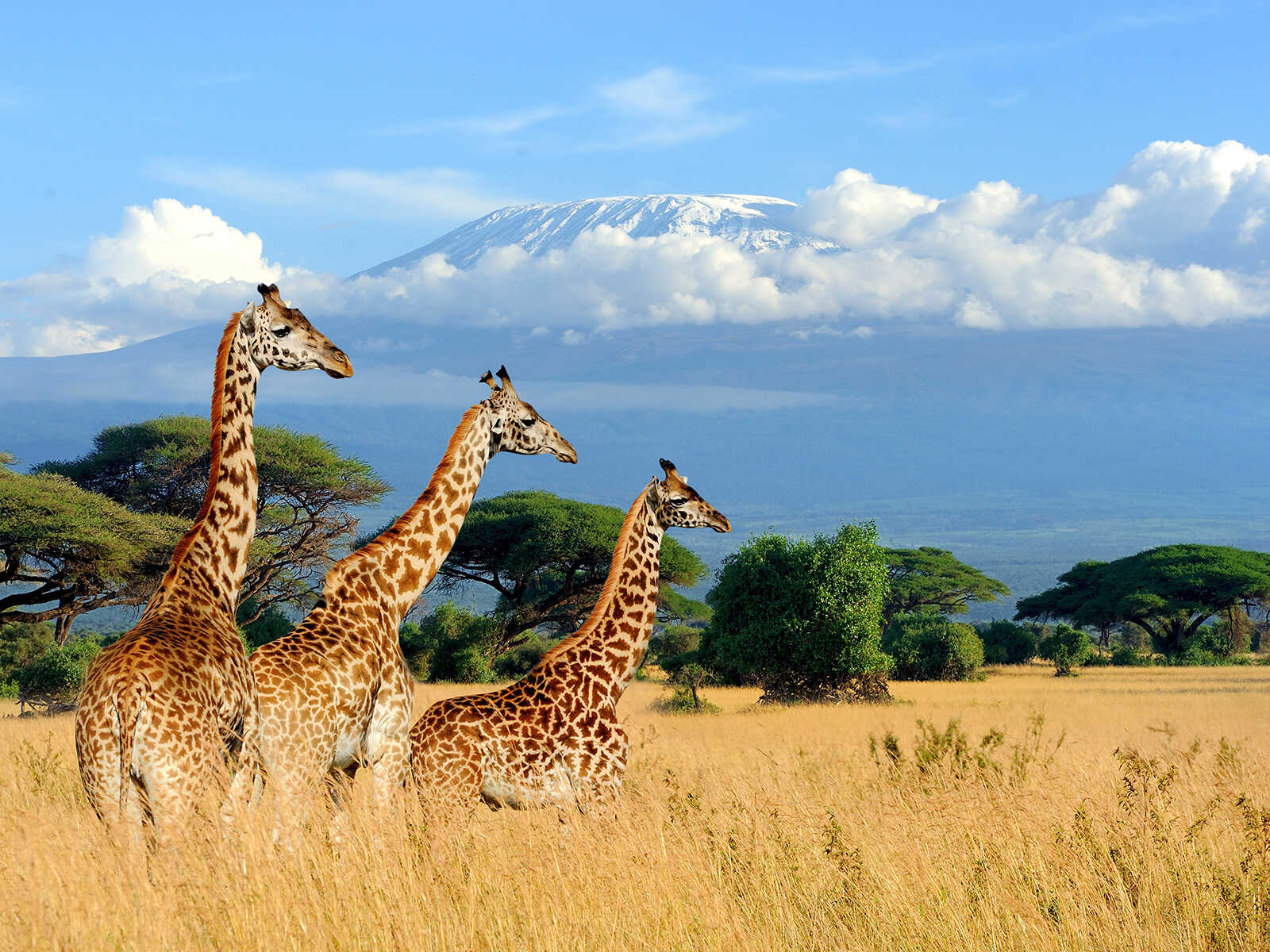
Getting Around Kenya: Transportation Options for Tourists
Kenya, a land of breathtaking landscapes, from vast savannas to pristine coastlines and towering mountains, offers an unforgettable travel experience. Navigating this diverse country efficiently is key to maximizing your adventure, and fortunately, there's a range of transportation options tailored to every traveler's budget and desired pace.
Whether you're embarking on a thrilling safari, exploring vibrant cities, or relaxing on sandy beaches, understanding Kenya's transport network will help you plan your itinerary seamlessly. From quick domestic flights to scenic train rides and local matatus, here’s your comprehensive guide to getting around Kenya.
Flying: The Fastest Way to See More
For tourists with limited time or those aiming to cover vast distances between major attractions, domestic flights are often the most practical and comfortable choice. Kenya has a well-developed network of regional airports and airstrips, making it easy to access remote national parks and coastal towns.
Scheduled & Charter Flights
Major airlines operate scheduled flights from Nairobi's Jomo Kenyatta International Airport (JKIA) and Wilson Airport to popular destinations like Maasai Mara National Reserve,Amboseli National Park,Ol Pejeta Conservancy, and coastal towns such as Malindi and Lamu. Smaller charter flights can also be arranged to more secluded airstrips, offering flexibility and direct access to your safari lodge or camp. While more expensive, flying saves significant travel time, allowing for more safari game drives or beach relaxation.
Travel Tip:Be mindful of luggage weight restrictions on domestic and safari flights, which are often stricter than international limits. Soft-sided bags are usually preferred.
Road Travel: The Heartbeat of Kenyan Exploration
Road travel is the most common way to get around Kenya, offering a flexible and immersive experience, especially for safaris and exploring the Great Rift Valley. Road conditions vary significantly, from well-maintained highways to rough, unpaved tracks within parks.
Safari Vehicles (4x4s)
For any safari adventure, a sturdy 4x4 vehicle (typically a Land Cruiser or safari van) is essential. These vehicles are designed to handle challenging terrain and often feature pop-up roofs for optimal game viewing and photography. Most safari packages include a dedicated driver-guide, who not only navigates but also acts as an expert wildlife spotter and cultural interpreter. This is by far the recommended option for visiting parks like Nairobi National Park,Tsavo West National Park,Lake Nakuru, and Aberdare National Park.
Car Rental (Self-Drive)
While possible, self-driving in Kenya is generally not recommended for first-time visitors or those unfamiliar with local driving conditions. Roads can be unpredictable, traffic in cities like Nairobi is intense, and navigation outside major towns can be challenging. If you do opt for self-drive, ensure you have a reliable 4x4, comprehensive insurance, and a good GPS or mapping app. It's often more practical for specific, well-researched routes or for accessing places like Hells Gate National Park where you can cycle.
Buses and Matatus
For budget-conscious travelers, buses offer an extensive network connecting major towns and cities. Long-distance buses, particularly those operating between Nairobi and Mombasa or Kisumu (near Lake Victoria), can be comfortable, with some companies offering different classes of service. Booking in advance is advisable, especially during peak seasons.
Matatus are Kenya's ubiquitous shared minibuses, serving as the primary mode of public transport for locals. They are cheap, frequent, and offer a truly authentic (if sometimes chaotic) local experience. However, for safety and comfort, especially with luggage, they might not be the best choice for tourists for long distances or at night. They are best used for short, daytime trips within cities or towns.
Ride-Sharing Apps & Taxis
In major cities like Nairobi and Mombasa, ride-sharing apps (such as Uber and Bolt) are widely available and offer a convenient, transparently priced, and generally safer alternative to street taxis. They are excellent for getting around urban areas, visiting attractions like the David Sheldrick Wildlife Trust or exploring city centers. For traditional taxis, always agree on the fare before starting your journey, or ensure the meter is used.
Rail Travel: The Scenic Madaraka Express
The Standard Gauge Railway (SGR), known as the Madaraka Express, offers a modern and comfortable train service between Nairobi and Mombasa. This popular route provides stunning views of the Kenyan landscape, including glimpses of wildlife in Tsavo West National Park, and is a relaxing alternative to flying or driving. The journey takes approximately 5-6 hours. Booking tickets well in advance, especially for first class, is highly recommended as they sell out quickly. The SGR is an excellent option for those heading to the coast to explore sites like Fort Jesus or further north to Malindi.
Water Travel: Coastal Charms and Lake Explorations
While not as extensive as road or air networks, water transport plays a vital role in certain regions of Kenya.
- Ferries:The Likoni Ferry in Mombasa is a crucial link, connecting the island city to the south coast. It's a free, bustling experience, though often crowded.
- Dhows & Boats:Along the coast, especially in places like Lamu, traditional dhows offer charming ways to island-hop, explore mangrove channels, or enjoy sunset cruises. Boat trips are also popular on Lake Victoria and Lake Nakuru for birdwatching and scenic tours.
Unique & Local Transportation
- Boda-bodas (Motorbike Taxis):For short distances in towns and rural areas, boda-bodas are a fast and cheap option. However, safety standards can be variable, and they are generally not recommended for tourists due to the lack of helmets and often reckless driving.
- Walking & Hiking:In specific areas, walking or hiking can be a primary mode of exploration, such as guided nature walks within conservancies or treks up Mount Kenya.
- Camel Safaris:For an unforgettable adventure in northern Kenya, particularly around areas like Samburu Trails or towards Lake Turkana, multi-day camel safaris offer a unique way to experience the vast, arid landscapes.
General Tips for Getting Around Kenya
- Plan Ahead:Especially for safaris, book your transport and accommodation well in advance.
- Safety First:Be aware of your surroundings, especially in busy urban areas. Avoid walking alone at night. Secure your valuables.
- Be Flexible:Road conditions, especially during rainy season, can cause delays.
- Use Reputable Operators:For safaris and tours, choose well-reviewed tour companies.
- Carry Small Notes:For local transport like matatus or small purchases, having smaller denominations of Kenyan Shillings is helpful.
From the convenience of domestic flights whisking you to the heart of the Maasai Mara National Reserve to the cultural immersion of a local matatu ride, Kenya offers a spectrum of transportation experiences. By choosing the right options for your itinerary and embracing the adventure, you're set for an incredible journey through this East African gem.