
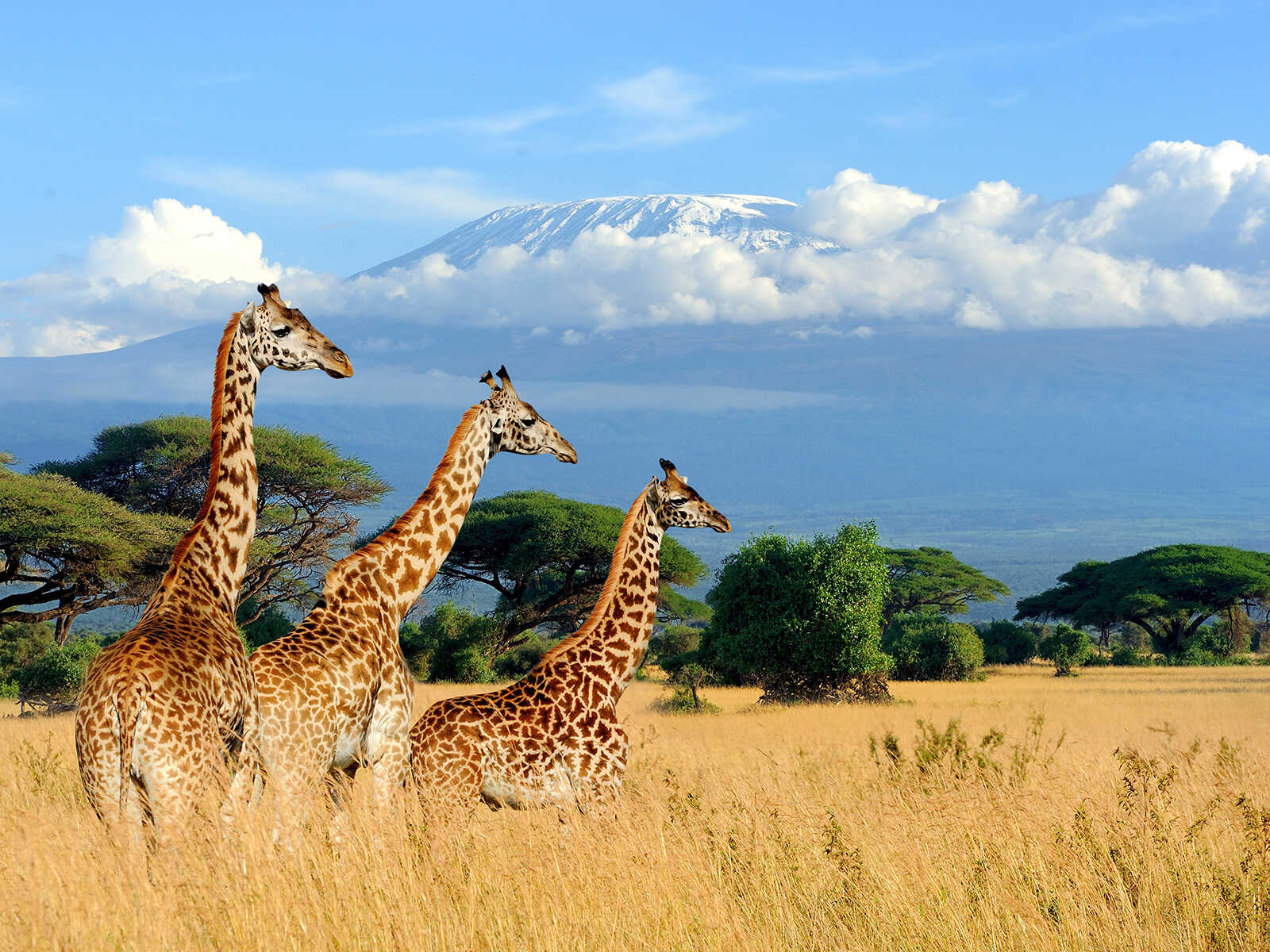
Exploring Mount Kenya: Hiking and Climbing the Second Highest Peak in Africa
Standing majestically at the heart of Kenya, Mount Kenya is an awe-inspiring spectacle, second only to Kilimanjaro in height on the African continent. This ancient stratovolcano offers adventurers a diverse range of experiences, from challenging technical climbs to breathtaking multi-day treks through varied ecological zones. Prepare to discover a unique blend of natural beauty, physical exertion, and unparalleled views.
A Majestic Overview of Mount Kenya National Park
Mount Kenya is more than just a peak; it's the centerpiece of a vibrant ecosystem protected within the Mount Kenya National Park, a UNESCO World Heritage Site. Dominated by its glaciated peaks, the park encompasses diverse landscapes ranging from dense montane forest and bamboo thickets on the lower slopes to moorland, alpine grasslands, and ultimately, rocky, glacial terrain. This rich biodiversity supports a variety of wildlife, making the journey as much a safari as it is a mountaineering expedition.
The Peaks: Batian, Nelion, and Point Lenana
Mount Kenya features a complex structure with multiple peaks, but three stand out prominently:
- Batian (5,199m / 17,057ft):The highest peak, requiring advanced technical rock and ice climbing skills.
- Nelion (5,188m / 17,021ft):The second highest, also demanding technical climbing expertise.
- Point Lenana (4,985m / 16,355ft):The third highest peak, accessible to trekkers with good fitness, offering a challenging but non-technical ascent.
While Batian and Nelion are the domain of experienced mountaineers, Point Lenana draws thousands of hikers annually, eager to witness the spectacular sunrise from Africa's third-highest trekking peak.
Choosing Your Adventure: Trekking vs. Technical Climbing
Trekking to Point Lenana (4,985m)
For most visitors, the goal is to reach Point Lenana. This incredible journey involves multi-day treks through stunning landscapes, requiring stamina and resilience but no specialized climbing techniques. Hikers will navigate distinct vegetation zones, from lush rainforest to open moorlands dotted with giant groundsels and lobelias, before reaching the rocky alpine zone. The reward for your efforts is an unforgettable sunrise over the African plains, often with a clear view of Mount Kilimanjaro in the distance.
Technical Climbing on Batian (5,199m) and Nelion (5,188m)
Ascending Batian or Nelion is a serious undertaking, reserved for seasoned mountaineers. These ascents typically involve multi-pitch rock climbing, often combined with ice and snow sections, especially during certain seasons. Routes like the North Face of Batian are world-renowned challenges. Climbers must be proficient in multi-pitch lead climbing, rappelling, and crevasse rescue, and must be accompanied by certified technical guides.
Popular Mount Kenya Climbing Routes and Itineraries
There are several established routes up Mount Kenya, each offering unique scenery and challenges. Most treks to Point Lenana take between 4 to 7 days, allowing for proper acclimatization.
Sirimon Route
Starting from the north-west side, the Sirimon route is often considered one of the easiest and most gradual ascents. It offers excellent acclimatization, passing through beautiful open moorland with fantastic views of the main peaks. Many choose to ascend via Sirimon and descend via another route for a diverse experience.
Naro Moru Route
The Naro Moru route, on the western side, is the most direct and therefore often the quickest ascent to Point Lenana. It is steeper in sections, earning it the nickname "the Chogoria Highway" due to its popularity. While faster, it can be more challenging for acclimatization.
Chogoria Route
Widely regarded as the most scenic route, the Chogoria route on the eastern side offers breathtaking views of waterfalls, tarns, and unique geological formations, including the Gorges Valley. It's a longer route but provides an incredibly rewarding experience, often combined with a descent via Sirimon.
Tip:Many trekkers opt for a combination of routes, such as ascending via Chogoria for its scenic beauty and descending via Sirimon for its gentler gradient, maximizing both experience and comfort.
Best Time to Climb Mount Kenya
Mount Kenya experiences two distinct dry seasons, which are generally the best times for climbing:
- January to February:This period offers warm, dry weather, ideal for both trekking and technical climbing.
- July to October:Another excellent dry season, particularly good for trekking to Point Lenana.
During the short rains (March-May) and long rains (November-December), trails can be muddy, visibility reduced, and conditions on the peaks more challenging due to snow and ice. While possible, these periods require greater preparedness and experience.
Essential Preparation for Your Mount Kenya Expedition
Physical Fitness
Regardless of whether you're trekking or climbing, a good level of physical fitness is paramount. Regular cardiovascular exercise (running, cycling, swimming) and strength training in the months leading up to your trip will significantly enhance your enjoyment and success.
Acclimatization
Altitude sickness is a serious concern. It's crucial to ascend slowly, incorporate rest days into your itinerary, and listen to your body. Staying hydrated and avoiding alcohol are also vital. Choosing a longer itinerary with gradual ascent profiles can greatly aid acclimatization.
Gear Checklist
Proper gear is non-negotiable for safety and comfort. Key items include:
- Layered clothing (thermal base layers, fleece, waterproof/windproof outer shell)
- Sturdy, broken-in hiking boots
- Warm sleeping bag (rated for sub-zero temperatures)
- Trekking poles
- Headlamp with spare batteries
- First-aid kit with personal medications
- Water bottles or hydration bladder (at least 3-4 liters capacity) and water purification tablets/filter
- Sun protection (hat, sunglasses, high-SPF sunscreen)
Hiring local porters and guides is not only recommended but often mandatory and provides invaluable support while also contributing to the local economy.
Permits and Guides
All visitors to Mount Kenya National Park require park entry permits, which must be obtained in advance or at the gate. For safety reasons, it is mandatory to be accompanied by a Kenya Wildlife Service (KWS) registered guide for any trek or climb on Mount Kenya. Book your expedition through a reputable tour operator who can arrange all necessary permits, guides, porters, and equipment.
Beyond the Summit: Flora and Fauna of Mount Kenya
Mount Kenya's slopes host a fascinating array of life, shaped by altitude and climate. As you ascend, you'll pass through distinct ecological zones:
- Forest Zone:Home to diverse tree species, colobus monkeys, forest elephants (smaller than their savanna counterparts found in places like Amboseli National Park), and buffalo.
- Bamboo Zone:Dense stands of bamboo provide habitat for elephants and various antelopes.
- Heather and Moorland Zone:Open grasslands with giant heathers, dotted with unique giant groundsels and lobelias that can reach several meters in height.
- Alpine Zone:A harsh, rocky environment with sparse vegetation, home to hardy species and high-altitude birds.
Keep an eye out for elusive wildlife, and enjoy the stunning botanical wonders unique to this Afro-alpine region. Conservation efforts, similar to those seen in Ol Pejeta Conservancy, ensure the preservation of this unique habitat.
Combining Mount Kenya with Other Kenyan Adventures
A trip to Mount Kenya can be seamlessly integrated into a broader Kenyan adventure. After conquering the peaks, consider a safari to witness the incredible wildlife of the Maasai Mara National Reserve, where the Great Migration unfolds, or explore the unique species of Samburu Trails. For bird enthusiasts, a visit to Lake Nakuru offers spectacular flamingo sightings.
You could also delve into Kenya's rich cultural heritage with a visit to Fort Jesus in Mombasa, or relax on the pristine beaches of Lamu or Malindi. The journey to Mount Kenya itself often offers glimpses of the magnificent Great Rift Valley, a geological wonder.
Mount Kenya offers an unparalleled adventure, combining physical challenge with breathtaking natural beauty and rich biodiversity. Whether you aspire to trek to Point Lenana or undertake a technical climb to Batian, careful planning and respect for the mountain will ensure a safe and unforgettable experience on Africa's second highest peak.