
Best Time to Witness the Great Migration in Maasai Mara
The Great Migration is nature's most spectacular wildlife show, an epic journey of over two million wildebeest, zebra, and gazelles across the vast plains of East Africa. While this incredible phenomenon unfolds year-round, its most dramatic chapter takes place in Kenya's renowned Maasai Mara National Reserve, offering a truly unforgettable safari experience.
Understanding the Great Migration's Annual Cycle
This immense movement of herbivores is driven by an instinct to find fresh grazing and water, following the seasonal rains. Starting in Tanzania's Serengeti, the herds typically move north into Kenya, culminating in the thrilling river crossings that have become synonymous with the Great Migration. The timing, however, is never an exact science, as it relies heavily on rainfall patterns which can vary year to year.
The Prime Viewing Window in Maasai Mara: July to October
While the migration is a continuous cycle, the period fromJuly to Octoberis widely considered the best time to witness the herds in the Maasai Mara National Reserve. This is when millions of animals converge on the Mara's fertile plains, often facing the perilous Mara River crossing.
July: The Grand Arrival
The first wave of wildebeest and zebra typically begins to arrive in the Maasai Mara aroundlate June to mid-July. Having traversed the northern Serengeti, they are drawn by the promise of lush, green pastures. At this time, the anticipation builds, and the herds start to gather along the Mara River's banks, eyeing the treacherous waters. Early arrivals offer fantastic game viewing, often with fewer crowds than the absolute peak of the crossings.
Expert Tip:While July marks the beginning of the migration in the Mara, river crossings are highly unpredictable. It's not uncommon for herds to gather for days before making the leap, or for smaller groups to cross at unexpected moments.
August: Peak River Crossings and Predator Action
Augustis often cited as the peak month for witnessing the most dramatic river crossings. Millions of wildebeest and zebra brave the crocodile-infested waters of the Mara River, creating an incredible spectacle of survival. This period also sees heightened predator activity, as lions, leopards, cheetahs, and hyenas seize the opportunity presented by the concentrated herds. The drama unfolds daily, making August a highly sought-after month for safaris.
The Maasai Mara National Reserve, situated at the northern end of the migratory route within the Great Rift Valley, offers expansive savannahs that provide the perfect stage for this natural drama.
September: Spreading Out Across the Mara
BySeptember, the vast herds are usually spread out across the length and breadth of the Maasai Mara National Reserve and its surrounding conservancies. While large-scale river crossings might be less frequent than in August, smaller crossings can still occur. The plains are teeming with wildlife, offering excellent opportunities for game drives, witnessing predator hunts, and observing the sheer scale of the migration. The weather remains dry and pleasant, ideal for extended periods of wildlife viewing.
October: The Journey South Begins
AsOctoberprogresses, the short rains begin to fall in the southern Serengeti, signaling to the wildebeest that it's time to start their long journey back south. While many animals will have already departed by the end of the month, significant numbers can still be found in the Mara during early October. This period offers a final chance to witness the migration before it fully retreats, often with slightly fewer visitors than the peak months.
Factors Influencing the "Best Time" for You
While July to October is generally recommended, your "best time" might depend on your priorities:
- Guaranteed River Crossings?There's no such thing. Nature is unpredictable. However, your chances are highest in August and early September.
- Fewer Crowds?Early July or late October might offer a slightly less crowded experience, though the migration period is always popular.
- General Wildlife Viewing?Even outside the migration months, the Maasai Mara National Reserve offers exceptional resident wildlife, including the Big Five.
- Weather:The dry season (June-October) offers clear skies and pleasant temperatures, making game viewing easier as animals congregate around water sources.
Planning Your Great Migration Safari
Book Well in Advance
Due to the immense popularity of the Great Migration, accommodations in and around the Maasai Mara National Reserve book up quickly, often 12-18 months ahead, especially for prime dates in August. Early booking is essential to secure your preferred lodge or camp.
Choosing Your Accommodation
There are various options, from luxurious lodges and tented camps within the main reserve to more exclusive camps in the private conservancies bordering the Mara. The conservancies often offer a more intimate safari experience with fewer vehicles, off-road driving, and night drives, which are not permitted in the main reserve.
Activities Beyond Game Drives
- Hot Air Balloon Safaris:An unforgettable way to witness the migration from above, offering panoramic views of the vast plains at sunrise.
- Cultural Visits:Learn about the fascinating Maasai culture with a visit to a local village, experiencing their traditions and way of life.
- Walking Safaris:Offered in some conservancies, providing a unique perspective on the smaller details of the bush.
Beyond the Migration: Other Kenyan Safari Gems
While the Great Migration is a highlight, Kenya offers a wealth of incredible safari experiences year-round. Consider extending your trip to explore other diverse landscapes and wildlife concentrations:
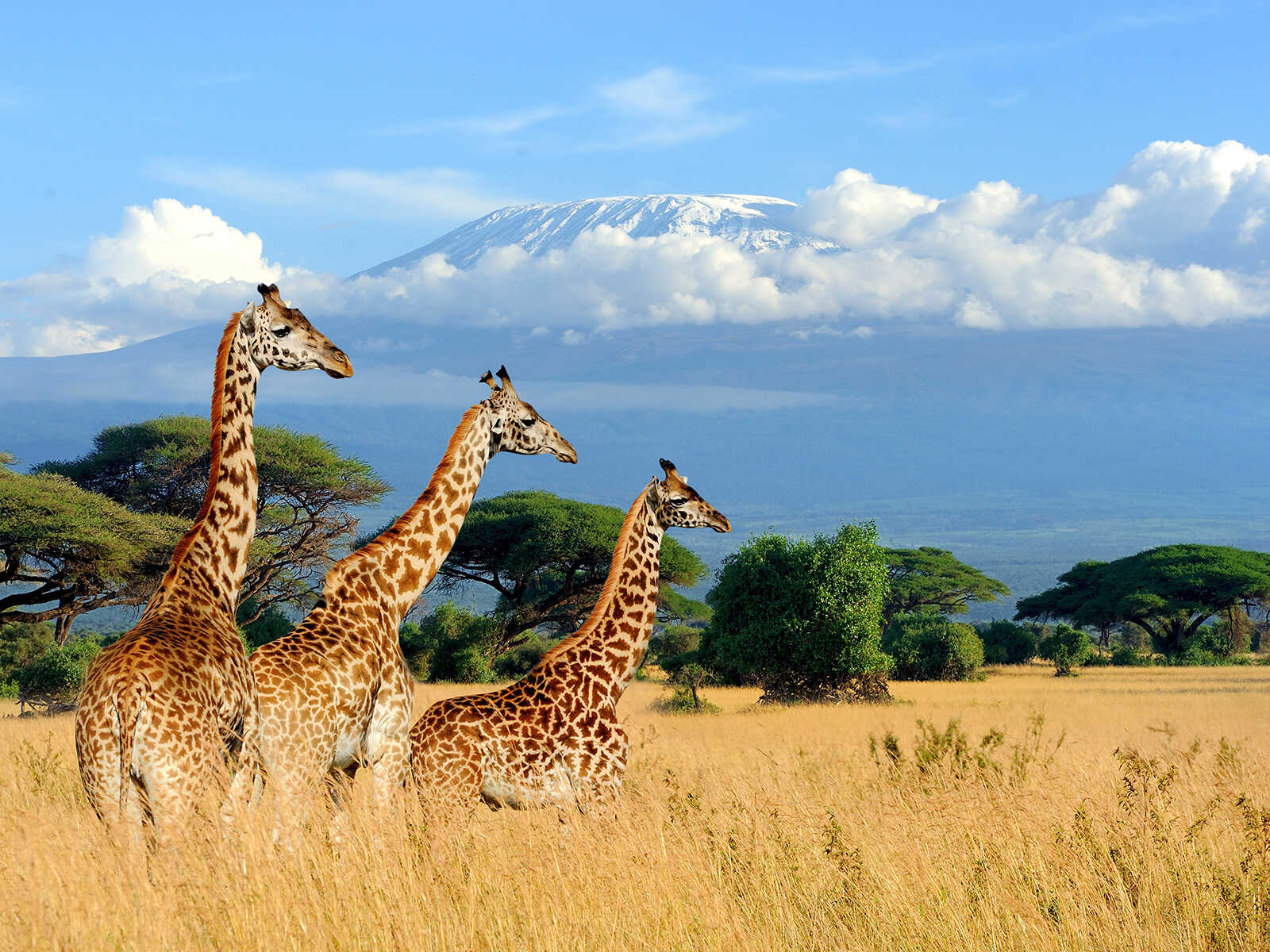
- Amboseli National Park:Famous for its large elephant herds and stunning views of Mount Kilimanjaro.
- Ol Pejeta Conservancy:A sanctuary for endangered rhinos, including the last two northern white rhinos, and a chimpanzee sanctuary.
- Nairobi National Park:A unique urban safari experience, where you can see lions, rhinos, and giraffes against the backdrop of Nairobi's skyline. Don't miss a visit to the David Sheldrick Wildlife Trust while in Nairobi.
- Lake Nakuru:Renowned for its flamingos and a sanctuary for both black and white rhinos.
- Mount Kenya:For those seeking adventure, Africa's second-highest peak offers excellent trekking opportunities.
- Hells Gate National Park:A unique park where you can cycle or walk among giraffes, zebras, and buffalo.
Conclusion
Witnessing the Great Migration in the Maasai Mara National Reserve is an unparalleled wildlife encounter, a testament to the raw power and beauty of nature. While July to October offers the highest chances of experiencing the iconic river crossings and vast herds, any visit to the Mara during this period promises an unforgettable safari filled with drama, wonder, and incredible wildlife sightings. Plan early, prepare for an adventure, and immerse yourself in one of Earth's greatest natural spectacles.