
Best Time to Visit Kenya for Safari, Beaches & Wildlife Sightings
Kenya, a land of captivating contrasts, offers an unparalleled blend of iconic wildlife safaris, pristine Indian Ocean beaches, and vibrant cultural experiences. While this East African gem can be explored year-round, understanding its distinct seasons is key to planning your perfect adventure, whether you're chasing the Great Migration or seeking sun-kissed shores.
Understanding Kenya's Climate: Dry vs. Wet Seasons
Kenya experiences two main seasons, largely defined by rainfall patterns, which significantly influence wildlife behavior and travel conditions. The country lies on the equator, so temperatures remain relatively consistent throughout the year, with variations mainly due to altitude and proximity to the coast.
- Long Dry Season:June to October – Characterized by minimal rainfall, cooler temperatures, and abundant sunshine. This is generally considered peak safari season.
- Short Rains:November to December – Brief, localized afternoon showers that quickly give way to sunshine. The landscape begins to green.
- Short Dry Season:January to February – Hot and dry, a popular time for both safari and beach holidays.
- Long Rains:March to May – The heaviest rainfall occurs during these months, often in intense afternoon downpours. Roads can be challenging, but the landscapes are incredibly lush.
Optimal Times for Wildlife Safaris
For many, a safari is the heart of a Kenyan adventure. The best time for wildlife viewing largely coincides with the dry seasons.
The Peak Safari Experience: Dry Seasons (June to October & January to February)
During Kenya's dry months, vegetation thins out, making animals easier to spot. Water sources become scarce, forcing wildlife to congregate around remaining rivers and waterholes, offering fantastic viewing opportunities. The cooler, clearer weather also makes for more comfortable game drives.
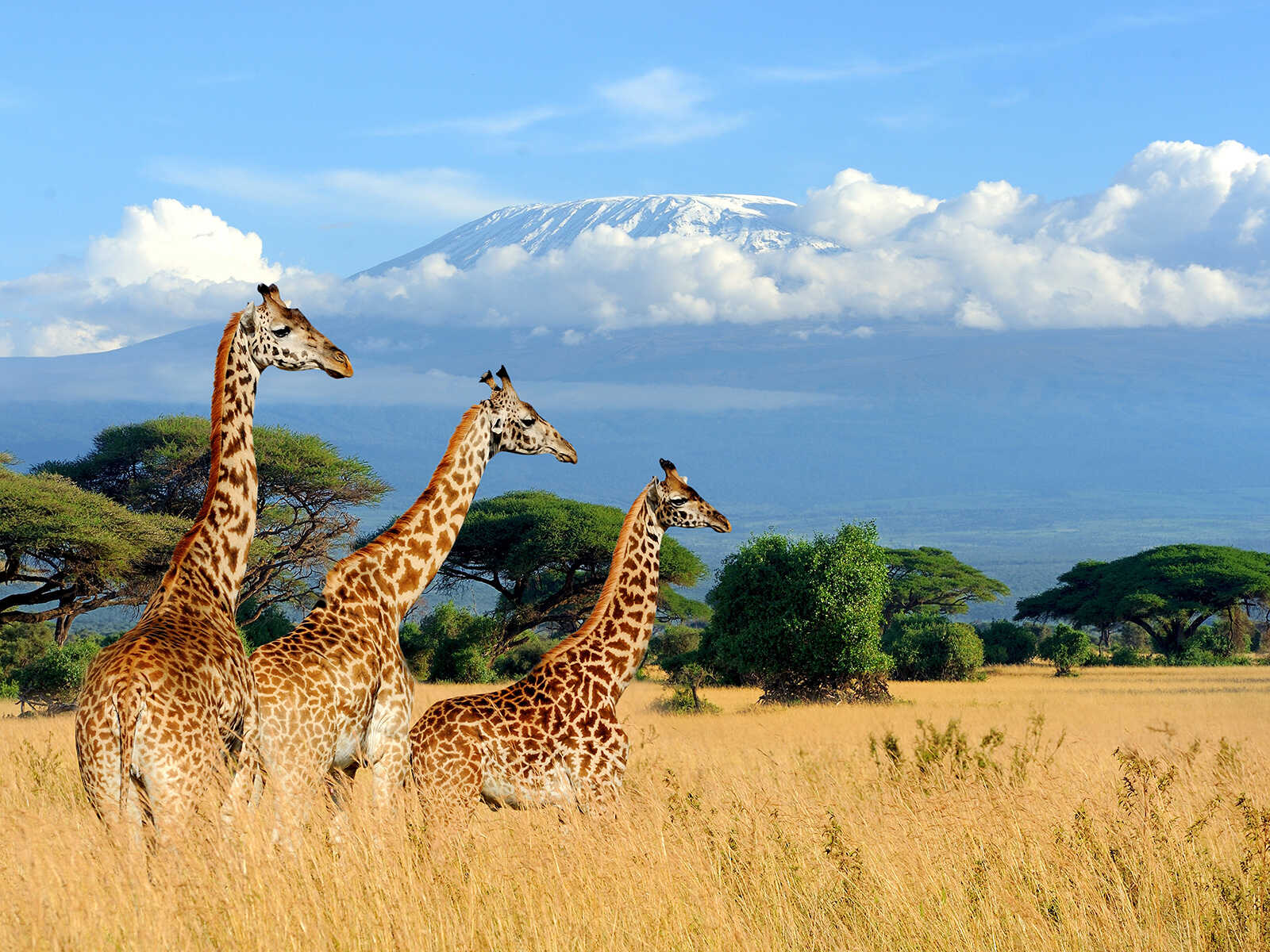
- June to October:This period is prime for witnessing the spectacular Maasai Mara National Reserve Great Migration, as millions of wildebeest and zebras cross the Mara River from Tanzania's Serengeti. Beyond the Mara, parks like Amboseli National Park offer incredible elephant sightings against the backdrop of Mount Kilimanjaro, while Tsavo West National Park with its Mzima Springs, and Samburu Trails to the north, also provide exceptional viewing. Conservation efforts at places like Ol Pejeta Conservancy are also highly rewarding during this time.
- January to February:Following the short rains, this period offers a second, shorter dry season. The weather is hot and sunny, and wildlife viewing remains excellent across most parks, including Nairobi National Park, located on the city's doorstep.
Safari Tip:During the dry seasons, dusty roads are common. Pack a scarf or bandana to protect your face and camera gear.
The Green Season Advantage: Wet Seasons (March to May & November to December)
While often overlooked, the wet seasons, also known as the "green seasons" or "shoulder seasons," offer unique advantages for safari-goers.
- Lush Landscapes:The rains transform the dry plains into vibrant, green panoramas, creating stunning photographic opportunities.
- Birdwatching Paradise:Migratory birds arrive from Europe and Asia, joining resident species, making these months ideal for bird enthusiasts, especially around lakes like Lake Nakuru and Lake Victoria.
- Calving Season:Many antelope species give birth during the early wet season, attracting predators and offering heartwarming sightings of newborns.
- Fewer Crowds & Lower Prices:With fewer tourists, you can enjoy a more intimate safari experience, and many lodges offer attractive off-season rates.
While some roads can become muddy, especially in remote areas, many primary safari routes remain accessible. The rains often consist of heavy, short showers rather than prolonged downpours.
Best Time for Kenya's Beaches
Kenya's Indian Ocean coastline boasts stunning white-sand beaches and vibrant coral reefs, perfect for relaxation and water sports. The coastal region generally experiences warm, humid weather year-round.
Sunny Shores: December to March & July to October
The dry seasons are also the best times for a beach holiday. These months offer abundant sunshine, lower humidity, and calm seas, ideal for swimming, snorkeling, diving, and sailing traditional dhows.
- December to March:Hot, sunny, and popular for those escaping winter in the Northern Hemisphere. Places like Malindi and the historic island of Lamu are particularly inviting.
- July to October:Pleasant temperatures and clear skies make this a great time to combine a safari with a relaxing beach escape.
Shoulder Season Beaches: April to June & November
During the long rains (April-May), you can expect higher humidity and occasional heavy showers. While resorts are still open, some water-based activities might be interrupted. However, prices are lower, and beaches are less crowded. November, during the short rains, offers a good balance of sunshine and fewer visitors before the peak season kicks in.
Combining Safari and Beach
One of Kenya's greatest appeals is the ease with which you can combine an exhilarating safari with a tranquil beach escape. The dry seasons (June-October and January-February) are generally the most seamless times to do this, offering optimal conditions for both experiences. Short domestic flights connect major safari hubs directly to coastal towns, minimizing travel time and maximizing your holiday enjoyment.
Special Interests & Activities
Birdwatching
The wet seasons (November to April) are phenomenal for birdwatching as migratory species arrive.Lake Nakuru is famous for its flamingos, while the shores of Lake Victoria offer a different array of aquatic birds.
Hiking and Trekking
For those seeking adventure on foot, the dry months (January-February and June-October) are best for trekking Mount Kenya or exploring the unique landscapes of Hells Gate National Park and Aberdare National Park. Trails are clearer, and the weather is more predictable.
Cultural and Historical Exploration
Kenya's rich culture and history can be explored year-round. Visit the ancient Swahili town of Lamu or the historical Fort Jesus in Mombasa. The Great Rift Valley offers stunning geological features like the Menengai Crater, which can be visited in any season, though dry months offer clearer views.
Consider a visit to the David Sheldrick Wildlife Trust in Nairobi for an emotional experience with rescued elephant calves, which is also open year-round.
Kenya's Seasons at a Glance: Your Planning Guide
- June - October (Long Dry Season):
- Safari:Excellent, peak season. Great Migration in Maasai Mara National Reserve.
- Beaches:Good, warm, and sunny.
- Pros:Best wildlife viewing, comfortable temperatures, low malaria risk.
- Cons:Higher prices, more crowded.
- November - December (Short Rains):
- Safari:Good, lush landscapes, birdwatching, calving.
- Beaches:Good, some showers, less crowded.
- Pros:Fewer crowds, lower prices, vibrant scenery.
- Cons:Occasional rain showers.
- January - February (Short Dry Season):
- Safari:Excellent, hot, clear skies.
- Beaches:Excellent, hot, sunny.
- Pros:Great for both safari and beach, comfortable for travel.
- Cons:Higher prices, can be very hot in low-lying areas.
- March - May (Long Rains):
- Safari:Good, excellent for birdwatching, very green.
- Beaches:Moderate, higher humidity, heavier rainfall.
- Pros:Lowest prices, very few tourists, stunning photography.
- Cons:Potential for muddy roads, some activities may be affected by rain.
Final Considerations for Your Kenya Trip
Regardless of when you choose to visit, Kenya promises an unforgettable journey. Always book your accommodations and safari tours well in advance, especially if traveling during peak dry seasons. Pack layers of clothing suitable for varying temperatures, and include light rain gear even during the dry months, as weather can be unpredictable. Consult your doctor regarding necessary vaccinations and malaria prophylaxis before your trip.
From the vast plains of the Great Rift Valley to the remote beauty of Lake Turkana, Kenya offers a mosaic of experiences. Your ideal time to visit will ultimately depend on your priorities, whether it's witnessing the drama of the Great Migration, relaxing on a pristine beach, or exploring the country's rich cultural heritage.