
Basic Swahili Phrases for Travelers in Kenya: Essential Greetings & More
Embarking on a journey to Kenya is an adventure filled with breathtaking landscapes, incredible wildlife, and vibrant cultures. While English is widely spoken, learning a few basic Swahili phrases can profoundly enrich your travel experience, opening doors to warmer interactions and deeper cultural immersion.
Why Learn a Few Swahili Phrases?
Swahili, orKiswahili, is the national language of Kenya and a lingua franca across much of East Africa. Making an effort to speak even a few words of Swahili shows respect for the local culture and is always met with appreciation and a smile. It can transform simple transactions into memorable exchanges, help you navigate with greater ease, and even enhance your safari experience by allowing you to connect more directly with your guides and the communities you encounter.
Essential Greetings: The Heart of Kenyan Hospitality
Greetings are paramount in Kenyan culture. Always start an interaction with a greeting before stating your business or asking a question.
- Jambo!(jahm-boh) – Hello! This is the most common and widely recognized greeting for tourists.
- Habari?(hah-bah-ree) – How are you? This is a more authentic and common greeting among locals.
- Nzuri sana.(nzoo-ree sah-nah) – Very well. (The common response to Habari?)
- Shikamoo.(shee-kah-moh) – A respectful greeting for elders.
- Marahaba.(mah-rah-hah-bah) – The respectful response to Shikamoo.
- Mambo?(mahm-boh) – What’s up? (Informal, often used among younger people or friends).
- Poa.(poh-ah) – Cool / Fine. (The common response to Mambo?).
- Asante (sana).(ah-sahn-teh sah-nah) – Thank you (very much). This is one of the most important phrases to learn.
- Karibu (sana).(kah-ree-boo sah-nah) – Welcome (very much). Also used as "you're welcome". You'll hear this often!
- Kwaheri.(kwah-heh-ree) – Goodbye.
- Ndiyo.(n-dee-yoh) – Yes.
- Hapana.(hah-pah-nah) – No.
Getting Around and Asking for Help
Navigating new places becomes much smoother when you can ask for basic directions or assistance.
- Tafadhali.(tah-fah-dhah-lee) – Please.
- Samahani.(sah-mah-hah-nee) – Excuse me / Sorry.
- Wapi...?(wah-pee) – Where is...? (e.g.,Choo kiko wapi?- Where is the toilet?)
- Nina potea.(nee-nah poh-teh-ah) – I am lost.
- Sielewi.(see-eh-leh-wee) – I don't understand.
- Naomba msaada.(nah-ohm-bah mm-sah-ah-dah) – I need help.
- Pole pole.(poh-leh poh-leh) – Slowly / Take it easy. You might hear this in a matatu (public mini-bus) or when bargaining.
- Haraka haraka.(hah-rah-kah hah-rah-kah) – Quickly / Hurry up.
- Bei gani?(bay-ee gah-nee) – How much? (Useful in markets or for transport).
Travel Tip:Kenyans are generally very helpful and patient. Don't be shy about trying out your Swahili; locals will appreciate the effort and often help you with pronunciation.
Dining and Shopping Experiences
From bustling street markets to charming restaurants, these phrases will enhance your culinary and retail adventures.
- Maji.(mah-jee) – Water.
- Chakula.(chah-koo-lah) – Food.
- Ladha nzuri.(lah-dhah n-zoo-ree) – Delicious.
- Bill tafadhali.(beel tah-fah-dhah-lee) – Bill please.
- Soko.(soh-koh) – Market. (Exploring a localsoko, especially in places like Lamu, offers a truly authentic glimpse into daily Kenyan life.)
- Pesa.(peh-sah) – Money.
- Sina pesa.(see-nah peh-sah) – I have no money.
- Asante kwa chakula.(ah-sahn-teh kwah chah-koo-lah) – Thank you for the food.
Safari and Wildlife Vocabulary
No trip to Kenya is complete without a safari, and knowing the Swahili names for animals adds another layer of excitement to spotting them in the wild. Imagine seeing a herd of elephants in Amboseli National Park and knowing their Swahili name!
- Safari.(sah-fah-ree) – Journey (The origin of the English word 'safari').
- Twende safari!(twhen-deh sah-fah-ree) – Let's go on safari!
- Simba.(seem-bah) – Lion. (Often spotted in Maasai Mara National Reserve or Tsavo West National Park).
- Tembo.(tem-boh) – Elephant. (You can also support rescued elephants at the David Sheldrick Wildlife Trust).
- Kifaru.(kee-fah-roo) – Rhino. (Critical conservation efforts protect these magnificent animals at places like Ol Pejeta Conservancy and Lake Nakuru).
- Chui.(choo-ee) – Leopard.
- Nyati.(nya-tee) – Buffalo.
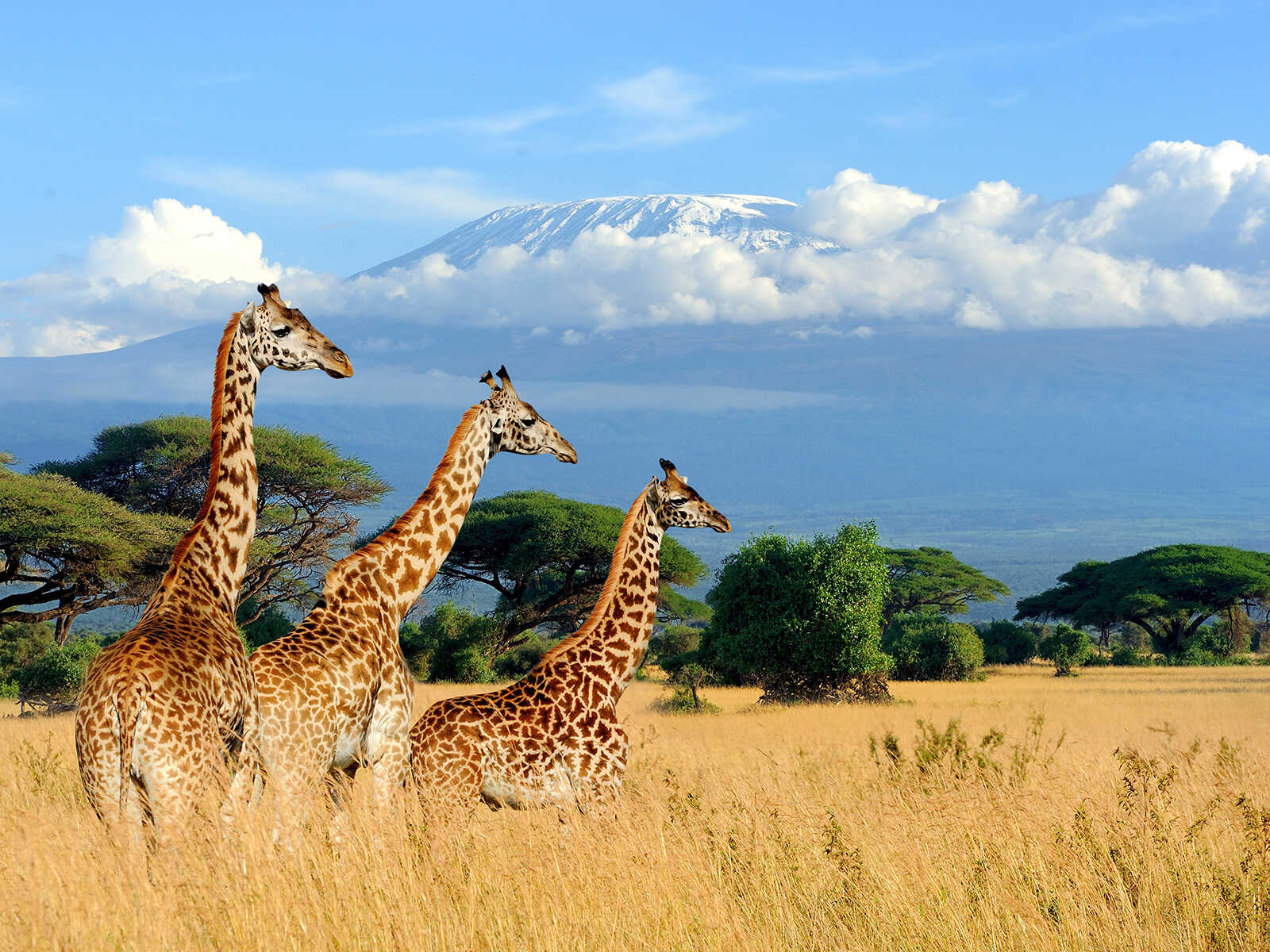
- Twiga.(twee-gah) – Giraffe.
- Punda milia.(poon-dah mee-lee-ah) – Zebra.
- Mamba.(mahm-bah) – Crocodile. (Look out for them in rivers like the Galana River or at Mzima Springs).
- Ndege.(n-deh-geh) – Bird. (The Great Rift Valley lakes are a haven for many bird species).
- Mnyama.(m-nya-mah) – Animal.
- Wanyama.(wah-nya-mah) – Animals.
Cultural Nuances and Tips for Using Swahili
Beyond the words themselves, understanding a bit about Kenyan communication style can make a big difference.
- Greetings First:As mentioned, always greet someone before asking for something or starting a conversation. It's considered rude to jump straight to your request.
- "Hakuna Matata":While famous worldwide thanks toThe Lion King, this phrase (meaning "no worries" or "no problem") isn't used as frequently in everyday conversation as tourists might expect. You might hear it, but "Hapana shida" is a more common way to say "no problem."
- Smiling:A genuine smile is a universal language and goes a long way in Kenya.
- Don't be Afraid to Try:Locals appreciate any effort you make to speak Swahili, even if your pronunciation isn't perfect. It's a sign of respect and openness.
- Listen and Learn:Pay attention to how locals speak and respond. You'll pick up on inflections and common phrases quickly.
Conclusion
Learning a handful of basic Swahili phrases is more than just a linguistic exercise; it's an invitation to connect more deeply with Kenya's people and culture. From exchanging greetings with your safari guide in Nairobi National Park to thanking a vendor in a local market, these simple words will unlock richer, more authentic experiences. Embrace the chance to speak a little Swahili, and you'll find your Kenyan adventure becomes even more unforgettable.Karibu Kenya!