
A Brief History of Kenya: From Ancient Times to Modern Nation
Kenya, a land of breathtaking landscapes and diverse cultures, boasts a history as rich and varied as its wildlife. From being a cradle of humanity to its emergence as a vibrant modern nation, understanding Kenya's past enriches any visit to this East African gem.
Ancient Origins and the Cradle of Humankind
Kenya's story begins millions of years ago, long before recorded history. The region, particularly the Great Rift Valley, is renowned as one of the most significant sites for paleoanthropological discoveries, earning it the moniker "Cradle of Humankind." Fossil evidence, including the famous 'Turkana Boy' found near Lake Turkana, suggests that early hominids roamed these lands over 4 million years ago, making it a crucial location for understanding human evolution.
As millennia passed, various groups of people began to shape the cultural tapestry of ancient Kenya. The earliest inhabitants were hunter-gatherers, followed by the migration of Cushitic-speaking peoples from the Horn of Africa. Later, around 1000 BCE, Nilotic communities, ancestors of groups like the Maasai, began to move into the region from the Nile Valley, bringing with them pastoralist traditions. Bantu-speaking peoples, originating from West Africa, arrived in subsequent waves, introducing agriculture and ironworking techniques.
"The geological wonders of the Great Rift Valley not only shaped Kenya's landscape but also provided the ideal conditions for preserving the ancient fossils that tell the story of early human development."
The Swahili Coast and Early Trade Networks
By the 1st century CE, the Kenyan coast had become a vital part of the thriving Indian Ocean trade network. Arab, Persian, and later Indian merchants established trading posts, leading to a vibrant cultural fusion that gave birth to the Swahili civilization. This unique culture, characterized by its distinctive language (Kiswahili, a Bantu language with significant Arabic influence), architecture, and Islamic faith, flourished in city-states like Lamu,Malindi, and Mombasa.
These coastal cities served as crucial intermediaries in a vast trade network, exchanging goods such as gold, ivory, timber, and slaves from the interior for textiles, spices, and pottery from Asia. The strategic location of these ports brought immense wealth and cultural diversity, leaving an indelible mark on Kenya's heritage. The intricate carvings of Swahili doors, the ruins of ancient mosques, and the enduring traditions of the Swahili people stand as testaments to this rich period.
European Exploration and the Scramble for Africa
The arrival of Europeans in the late 15th century marked a significant turning point. Portuguese explorer Vasco da Gama landed in Malindi in 1498, seeking a sea route to India. The Portuguese established a presence along the coast, building strongholds like Fort Jesus in Mombasa to control trade. However, their dominance was eventually challenged and overthrown by Omani Arabs in the late 17th century, who re-established Arab rule over the coastal strip.
The 19th century witnessed the "Scramble for Africa," as European powers vied for colonial territories. Britain, driven by strategic interests and the desire to control the source of the Nile, established the British East Africa Protectorate in 1895. The construction of the Uganda Railway, famously dubbed the "Lunatic Express," from Mombasa to Lake Victoria, opened up the interior for European settlement and economic exploitation. This railway, while a marvel of engineering, had profound impacts on the local populations, leading to land alienation and the disruption of traditional ways of life.
Thousands of Indian laborers were brought in to construct the railway, adding another layer to Kenya's diverse ethnic makeup. European settlers, attracted by the fertile highlands, established large farms, leading to increased tensions over land and resources with indigenous communities, particularly the Maasai and Kikuyu.
The Road to Independence
As the 20th century progressed, African resistance to colonial rule grew stronger. The systematic discrimination, forced labor, and denial of political rights fueled a burgeoning nationalist movement. Educated Africans began forming political organizations, advocating for greater representation and eventually, self-rule.
One of the most significant periods of resistance was the Mau Mau Uprising (1952-1960), primarily involving the Kikuyu community in the central highlands. This armed struggle, though brutally suppressed by the British, highlighted the deep-seated grievances and the unwavering desire for independence. Leaders like Jomo Kenyatta, who would become Kenya's first president, emerged from this period, galvanizing the push for freedom.
Following intense negotiations and international pressure, Kenya finally achieved its independence on December 12, 1963. Jomo Kenyatta became Prime Minister, and a year later, Kenya transitioned into a republic with him as president. The new nation faced the immense task of unifying diverse ethnic groups and building a prosperous future after decades of colonial rule.
Modern Kenya: A Vibrant Nation
Since independence, Kenya has navigated a complex path of development, marked by both remarkable successes and significant challenges. Under presidents Jomo Kenyatta and Daniel arap Moi, the nation prioritized economic growth and nation-building, though political pluralism was often limited. The 1990s saw a strong push for multi-party democracy, leading to significant political reforms.
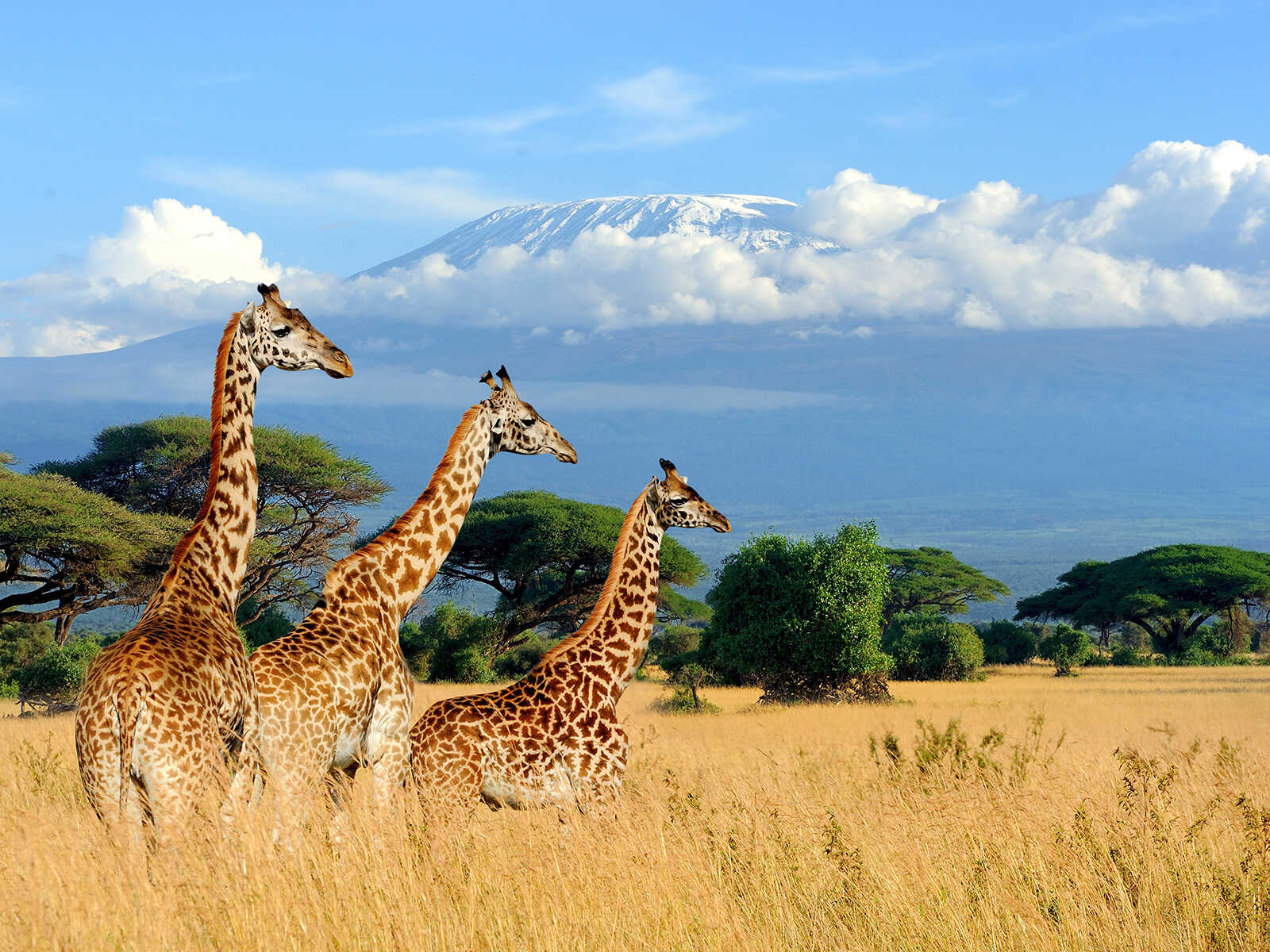
Today, Kenya stands as a dynamic East African powerhouse, known for its entrepreneurial spirit, technological innovation, and stunning natural beauty. Tourism remains a cornerstone of its economy, with millions drawn to its world-famous national parks and conservancies. Visitors flock to witness the Great Migration in the Maasai Mara National Reserve, explore the elephant herds of Amboseli National Park against the backdrop of Kilimanjaro, or experience urban wildlife at Nairobi National Park.
Conservation efforts are also a point of national pride, with organizations like the David Sheldrick Wildlife Trust and conservancies like Ol Pejeta Conservancy playing crucial roles in protecting Kenya's diverse wildlife, including rhinos and elephants. The country continues to grapple with issues of governance, inequality, and climate change, but its resilient people and rich heritage continue to drive it forward.
"Kenya's journey from ancient hominid grounds to a modern nation is a testament to human resilience, cultural fusion, and an enduring connection to the land. Every corner of the country tells a part of this incredible story."
Kenya's history is a compelling narrative of human origins, trade, colonialism, and the triumphant struggle for self-determination. It is a story etched into its landscapes, preserved in its ancient ruins, and carried forward by its diverse people. Exploring its past offers profound insights into the vibrant, modern nation it is today, making it an even more enriching destination for any traveler.