
Zenkov's Cathedral in Almaty: History, Architecture & Visiting Tips
Nestled in the heart of Almaty, Kazakhstan, Zenkov's Cathedral stands as a vibrant testament to architectural ingenuity and enduring faith. This magnificent Russian Orthodox cathedral, also known as Ascension Cathedral, is one of the world's tallest wooden buildings, famously constructed without a single nail. Discover its fascinating past, unique design, and how to make the most of your visit.
A Glimpse into History
The story of Zenkov's Cathedral begins in a time of rapid expansion and development for Verny, the former name of Almaty. As the city grew, so did the need for spiritual centers for its burgeoning Russian Orthodox population. The idea for a grand cathedral took shape in the late 19th century, culminating in a design that would defy conventional construction.
Construction and Early Years
Designed by the architect Andrei Zenkov, after whom it is often informally named, and engineered by K.A. Borisoglebsky, construction commenced in 1904 and was completed in 1907. What makes its construction truly remarkable is the method: the entire structure was built from Tien Shan spruce wood, utilizing intricate joinery techniques without the use of nails. This choice of material and method proved to be a stroke of genius, particularly for a region prone to seismic activity.
Did you know?Zenkov's Cathedral famously withstood the devastating 1911 Kebin earthquake, a magnitude 7.7 tremor that leveled much of Almaty. Local legend suggests that only the cross atop the main dome fell, while the rest of the cathedral remained largely intact, a testament to its flexible wooden construction.
Survival Through Tumultuous Times
Like many religious buildings in the Soviet era, Zenkov's Cathedral faced challenging times. After the Russian Revolution, it was closed for worship in 1927 and subsequently repurposed. For many decades, it served as a radio broadcasting center, a museum, and even a cinema. Its bell tower was adapted to hold a powerful radio antenna, a stark contrast to its original spiritual purpose.
However, with the collapse of the Soviet Union and Kazakhstan's independence, the cathedral was returned to the Russian Orthodox Church in 1995. A comprehensive restoration project began, meticulously restoring its vibrant frescoes, gilded iconostasis, and intricate wooden details, bringing it back to its former glory as an active place of worship and a symbol of resilience.
Architectural Marvel: A Symphony in Wood
Zenkov's Cathedral is an exceptional example of Russian Orthodox architecture, showcasing a unique blend of traditional design elements with innovative engineering adapted to local conditions.
Unique Engineering
The cathedral's most striking feature is its entirely wooden construction, reaching a height of 56 meters (184 feet) from the foundation to the top of the main dome. The use of wood, particularly the flexible Tien Shan spruce, allows the building to sway and absorb seismic shocks, a crucial design consideration for Almaty, which lies in an active earthquake zone. The elaborate joinery and interlocking timber beams create a robust yet adaptable framework.
Exquisite Details
Externally, the cathedral is a riot of color and intricate patterns. Its onion domes, characteristic of Russian Orthodox churches, are painted in bright greens, yellows, and blues, topped with gilded crosses that shimmer in the sunlight. The facades are adorned with elaborate carvings and decorative elements, reflecting traditional Russian architectural styles. The vibrant colors and detailed ornamentation make it a true visual spectacle against the backdrop of Panfilov Park.
Inside, the cathedral is equally stunning. The interior is richly decorated with religious frescoes, murals depicting biblical scenes, and a magnificent five-tiered iconostasis. The iconostasis, a screen adorned with icons separating the nave from the sanctuary, is a masterpiece of art, featuring gilded carvings and meticulously painted images of saints and religious figures. The warm glow of the wood combined with the intricate artwork creates an atmosphere of profound reverence and beauty.
Visiting Zenkov's Cathedral Today
Today, Zenkov's Cathedral is not just a functioning church but also one of Almaty's most beloved landmarks and a must-see for any visitor to Kazakhstan. It perfectly encapsulates the city's blend of history, culture, and natural beauty.
Location and Accessibility
The cathedral is conveniently located in Panfilov Park, right in the heart of Almaty. This central location makes it easily accessible by public transport, taxi, or on foot from many downtown hotels. The park itself is a popular spot for locals and tourists alike, offering a peaceful retreat amidst the urban bustle.
Inside the Cathedral
Visitors are welcome to enter the cathedral during its operating hours. The interior is often filled with the soft glow of candles and the murmurs of prayer. Take your time to admire the detailed frescoes, the impressive iconostasis, and the overall serene atmosphere. While photography is generally allowed, it's always respectful to be discreet, especially during services, and to avoid disturbing worshippers.
Best Time to Visit
The cathedral is beautiful year-round. In spring and summer, the surrounding Panfilov Park is lush and green, making for a pleasant stroll before or after your visit. In autumn, the park's foliage turns golden, offering a picturesque backdrop. Winter visits can be magical, especially if there's snow, which highlights the cathedral's vibrant colors against a white canvas. Early mornings or late afternoons often provide the best light for photography and a more tranquil experience.
Etiquette and Tips
- Dress Code:As an active place of worship, visitors should dress modestly. Women are often expected to cover their heads (scarves are usually available at the entrance) and shoulders. Men should remove hats.
- Silence:Maintain a respectful silence, especially during services.
- Photography:Be discreet with cameras. Flash photography is generally discouraged.
- Donations:While entry is free, a small donation to help with the cathedral's upkeep is always appreciated.
Beyond the Cathedral: Exploring Panfilov Park
Your visit to Zenkov's Cathedral is incomplete without exploring Panfilov Park (officially 28 Panfilov Guardsmen Park). This expansive green space is dedicated to the memory of 28 Almaty soldiers who died fighting against Nazi invaders during World War II. Key attractions within the park include:
- Eternal Flame:A solemn memorial commemorating those who fell in battle.
- War Memorial:A large, striking monument depicting the soldiers.
- Museum of Musical Instruments:Located nearby, this museum houses a fascinating collection of traditional Kazakh musical instruments.
The park is a wonderful place to relax, people-watch, and enjoy the peaceful ambiance before continuing your exploration of Almaty.
Exploring Almaty and Beyond
Almaty itself is a city rich in culture, history, and natural beauty. After visiting Zenkov's Cathedral, consider exploring other attractions like the Big Almaty Lake for stunning mountain views, or taking a cable car up to Kok Tobe Hill for panoramic cityscapes. For winter sports enthusiasts, the Shymbulak ski resort is just a short drive away.
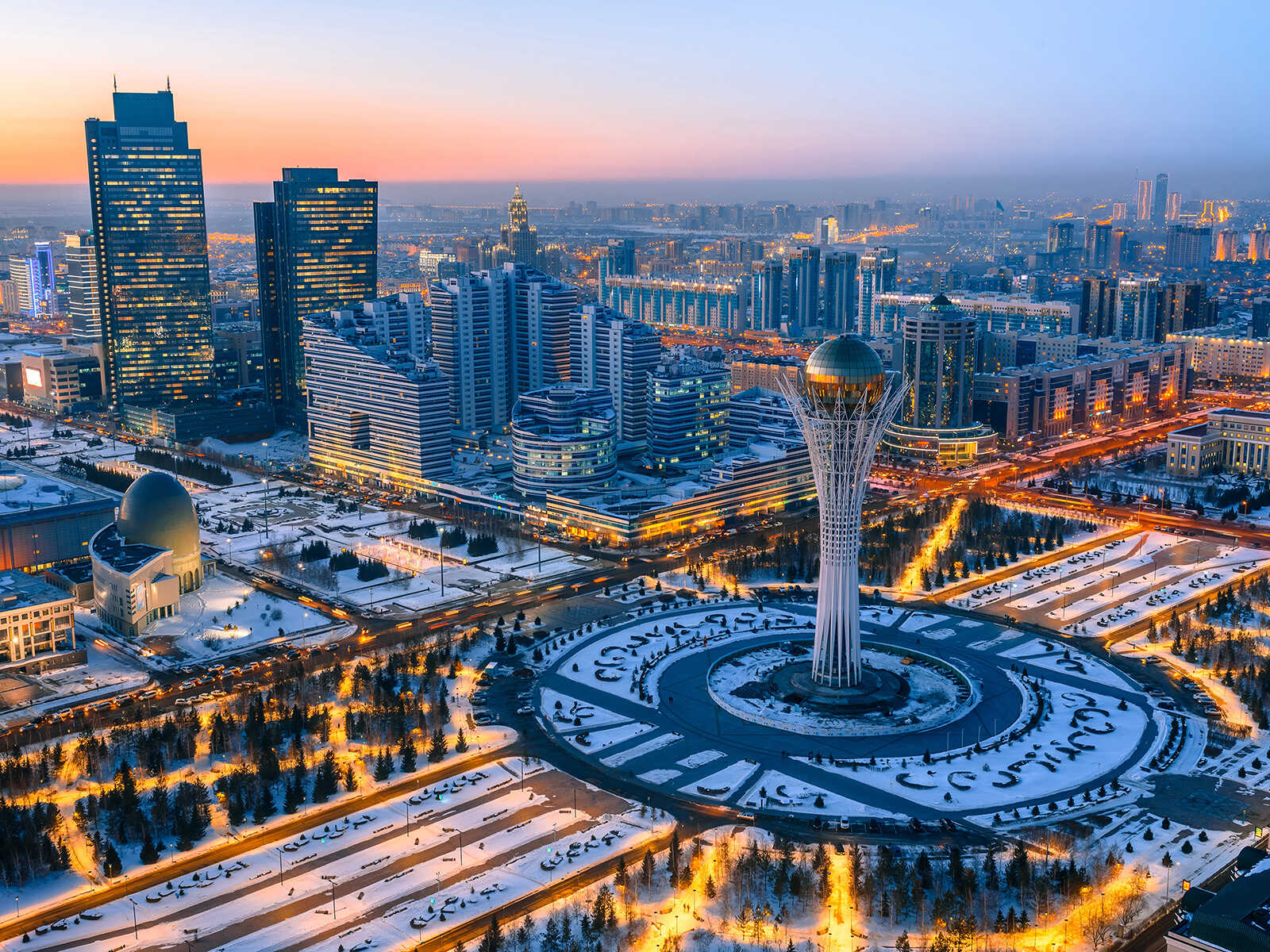
Kazakhstan offers a diverse range of experiences, from the futuristic architecture of Astana, home to the Baiterek Tower, to the natural wonders of Charyn Canyon National Park and the mysterious sunken forest of Kaindy. Further afield, you can delve into ancient history at the Mausoleum of Khoja Ahmed Yasawi in Turkistan, or experience the vastness of the Kazakh Steppe.
Conclusion
Zenkov's Cathedral is more than just a beautiful building; it is a symbol of Almaty's enduring spirit and a testament to remarkable human ingenuity. Its vibrant colors, intricate details, and compelling history make it an unforgettable stop on any journey through Kazakhstan. Whether you are drawn by its architectural marvel, its spiritual significance, or simply its stunning beauty, a visit to this wooden wonder promises a truly enriching experience.