
The Aral Sea Disaster: Visiting the Ships Graveyard & Its Legacy
Once the world's fourth-largest inland sea, the Aral Sea is now a stark symbol of environmental catastrophe. This guide explores the haunting "ships graveyard" in Kazakhstan, offering insights into its tragic past and the poignant experience of witnessing its enduring legacy.
For adventurous travelers, a journey to the former shores of the Aral Sea provides a unique, sobering perspective on human impact on nature. It's a powerful reminder of what was lost and a testament to the resilience of local communities.
A Sea of Sands: The Aral Sea's Tragic Decline
For centuries, the Aral Sea was a vibrant ecosystem, fed by the Amu Darya and Syr Darya rivers. It supported a thriving fishing industry, providing livelihoods for tens of thousands across Central Asia, including significant communities in Kazakhstan. Its waters teemed with diverse fish species, and its shores were bustling ports.
At its peak in the 1960s, the Aral Sea covered an area of approximately 68,000 square kilometers, making it larger than many European countries.
The prosperity, however, was tragically short-lived. Decades of intensive irrigation projects, primarily for cotton and rice cultivation during the Soviet era, diverted the life-giving rivers. This massive re-engineering of nature led to an unprecedented ecological disaster.
The Roots of a Disaster: A Man-Made Tragedy
Starting in the 1960s, vast canals were constructed to channel water from the Amu Darya and Syr Darya to irrigate arid lands. While these projects initially boosted agricultural output, they starved the Aral Sea of its primary water sources. The sea began to shrink at an alarming rate, receding miles from its former coastlines year after year.
The consequences were devastating:
- Shrinking Water Body:The Aral Sea eventually split into several smaller basins, most notably the North (Small) Aral Sea in Kazakhstan and the South (Large) Aral Sea, predominantly in Uzbekistan. The South Aral Sea has largely dried up.
- Increased Salinity:As the volume of water decreased, the remaining water became hypersaline, killing off nearly all fish and aquatic life.
- Dust Storms:The exposed seabed turned into a vast, salt-laden desert, known as the Aralkum Desert. Winds whip up toxic dust storms, carrying pesticides, fertilizers, and salts across hundreds of kilometers, impacting air quality and public health.
- Economic Collapse:The fishing industry collapsed entirely, leading to mass unemployment and migration from former port towns.
- Climate Change:The loss of such a large body of water has exacerbated local climate extremes, resulting in harsher winters and hotter summers.
Journey to the Ships Graveyard: Aralsk, Kazakhstan
For many, the most poignant symbol of the Aral Sea disaster is the "ships graveyard." While there are several such sites, the most accessible and significant for visitors exploring the Kazakh side is near Aralsk (formerly Aral). Once a bustling port city on the northern shore, Aralsk now lies many kilometers from the water's edge.
A visit to the ships graveyard is not a typical tourist excursion. It's an immersive experience that requires planning and a willingness to venture off the beaten path. The journey itself often takes you through vast stretches of the Kazakh Steppe, offering a glimpse into the country's immense and often desolate landscapes.
Getting There and What to Expect
Visiting the ships graveyard typically involves hiring a local guide and a robust 4x4 vehicle. Roads leading to the deepest parts of the former seabed are unpaved and challenging. Tours usually start from Aralsk, which can be reached by train from larger Kazakh cities like Almaty or Astana.
When you arrive, you'll find a desolate, almost otherworldly scene: dozens of rusting fishing vessels, some partially buried in the sand, others standing stark against the horizon. These hulking skeletons are all that remain of a once-thriving fleet, now monuments to a lost sea. The silence, broken only by the wind, amplifies the somber atmosphere.
Tips for Your Visit:
- Plan Ahead:Book a reputable local tour operator in advance.
- Essentials:Carry plenty of water, snacks, and sun protection (hat, sunglasses, sunscreen).
- Clothing:Wear comfortable, sturdy shoes suitable for walking on uneven, sandy terrain. Layers are recommended as temperatures can fluctuate.
- Respect:This is a powerful site of environmental tragedy and local hardship. Approach it with respect and a reflective mindset.
- Photography:The ships graveyard offers incredibly dramatic photographic opportunities, especially during sunrise or sunset.
A Glimmer of Hope: The North Aral Sea's Revival
Amidst the widespread desolation, there is a remarkable story of partial recovery on the Kazakh side. Thanks to a concerted effort by the Kazakh government and the World Bank, the Kokaral Dam was completed in 2005. This dam effectively separated the shrinking North Aral Sea from the larger, and still rapidly drying, South Aral Sea.
The dam has allowed the Syr Darya river to refill the North Aral Sea, significantly raising its water levels and decreasing its salinity. The improvements have been dramatic:
- The water level has risen by several meters.
- The distance from Aralsk to the new shoreline has decreased significantly.
- Salinity levels have dropped, allowing some native fish species to return, revitalizing a small-scale fishing industry.
- Local climate has moderated slightly, with less extreme temperatures.
While the North Aral Sea's recovery is a significant achievement, the vast majority of the former Aral Sea, particularly the southern basin, remains an ecological disaster zone. The ships graveyard near Aralsk serves as a stark reminder of the larger, unresolved tragedy.
The Aral Sea's Enduring Legacy and Broader Context
A visit to the Aral Sea is more than just seeing rusting ships; it's an educational and thought-provoking experience. It underscores the immense power of human decisions on the environment and the resilience of communities forced to adapt to radical change.
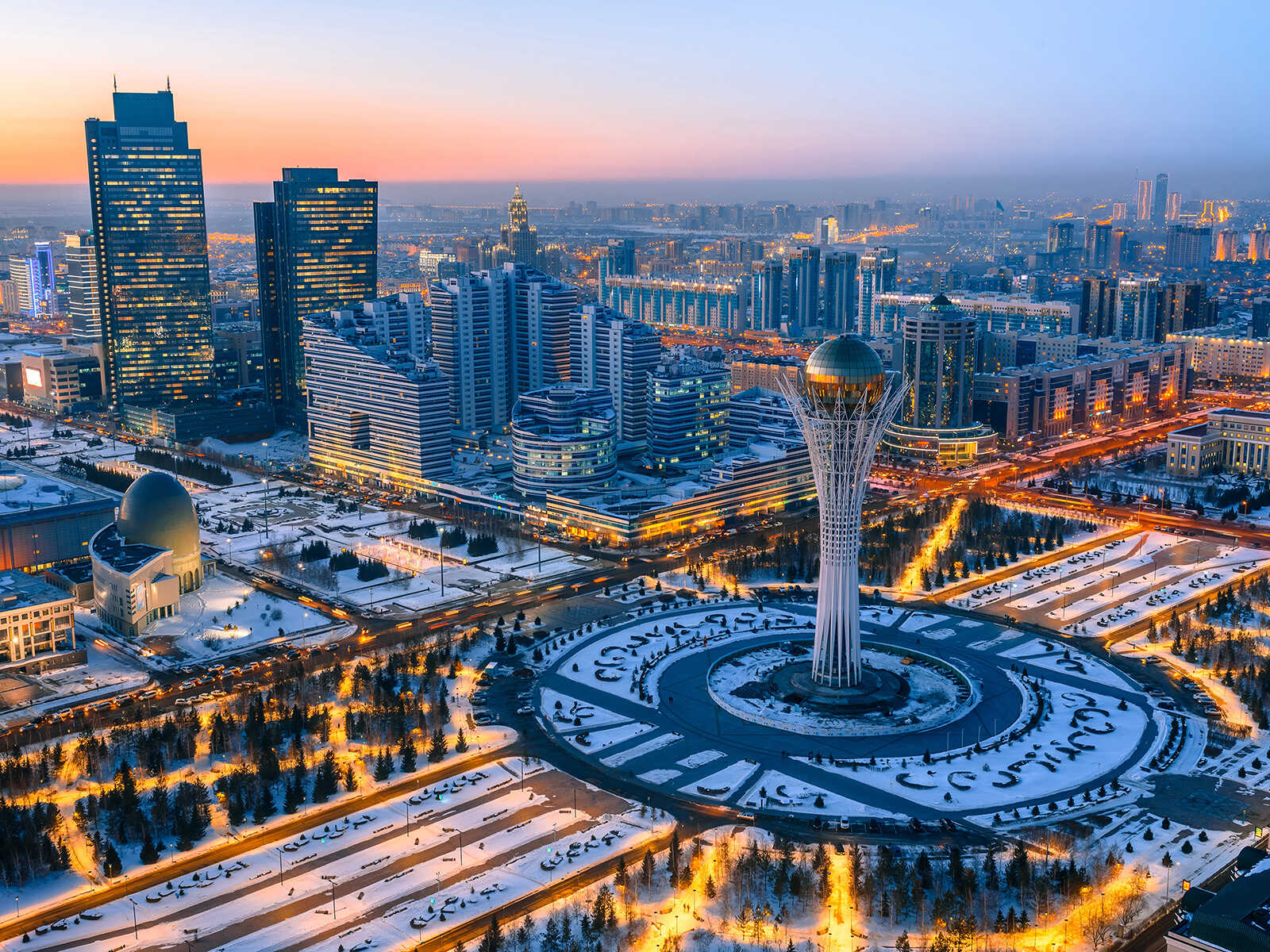
This unique destination offers a stark contrast to Kazakhstan's other natural wonders and cultural gems. From the dramatic vistas of Charyn Canyon National Park and the submerged forest of Kaindy to the futuristic architecture of Astana with its iconic Baiterek Tower, Kazakhstan is a land of incredible diversity. Exploring the Kazakh Steppe further reveals the vastness of this nation, which also hosts the incredible Baikonur Cosmodrome, a symbol of human ambition in space, much like the Aral Sea is a symbol of environmental challenge.
The story of the Aral Sea is a powerful environmental lesson for the world, highlighting the delicate balance between human development and ecological preservation. It reminds us that every action has consequences, and that even in the face of immense environmental damage, there can be glimmers of hope and recovery through concerted effort.
Conclusion
Visiting the Aral Sea ships graveyard is a journey into a landscape shaped by tragedy, yet also by hope. It's an opportunity to bear witness to a pivotal moment in environmental history and to gain a deeper understanding of the challenges and triumphs faced by the communities living on its former shores. This profound experience offers a unique perspective on the power of nature and the enduring spirit of humanity, making it an essential, albeit somber, destination for any traveler seeking meaningful engagement with our world.