
Spiritual Kazakhstan: Sacred Sites and Religious Landmarks
Kazakhstan, a vast land bridging Europe and Asia, boasts a spiritual tapestry as diverse and expansive as its landscapes. From ancient Silk Road caravans carrying new faiths to resilient nomadic traditions, this Central Asian nation offers a unique journey into its sacred past and vibrant present.
Exploring Kazakhstan's spiritual sites reveals layers of history, belief, and architectural marvel. Predominantly a Muslim country, it also cherishes its Christian heritage and the echoes of pre-Islamic shamanic practices, creating a mosaic of profound reverence and cultural significance.
The Islamic Heart of Kazakhstan
Islam arrived in Kazakhstan with Arab conquerors in the 8th century, spreading gradually through Central Asia and deeply influencing the nomadic Kazakh culture. Sufism, a mystical branch of Islam, played a particularly significant role in its adoption, blending with indigenous beliefs.
Mausoleum of Khoja Ahmed Yasawi: A UNESCO Masterpiece
Undoubtedly the most revered Islamic site in Kazakhstan is the Mausoleum of Khoja Ahmed Yasawi in Turkistan. This colossal, unfinished mausoleum is a masterpiece of Timurid architecture and a major pilgrimage destination, often dubbed the "Second Mecca of the East."
Built by Amir Timur in the late 14th century, the mausoleum honors Khoja Ahmed Yasawi, a 12th-century Sufi mystic and poet who significantly influenced the spread of Islam throughout Central Asia. Its monumental dome, intricate tilework, and grand scale are breathtaking, reflecting the artistic pinnacle of its era. Pilgrims visit to pay respects, pray, and experience the spiritual energy emanating from this holy place.
Fun Fact:The Mausoleum of Khoja Ahmed Yasawi features an enormous bronze kazan (cauldron) in its main hall, weighing two tons. Historically, this kazan was filled with water for blessings and distributed to pilgrims.
Hazret Sultan Mosque: Modern Islamic Grandeur
In the capital city, Nur-Sultan (formerly Astana), stands the majestic Hazret Sultan Mosque. Opened in 2012, it is one of the largest mosques in Central Asia, a symbol of modern Kazakhstan's strong Islamic identity. Its dazzling white marble exterior, towering minarets, and grand domes create an impressive silhouette against the city skyline. Inside, intricate ornamentation, vast prayer halls, and a peaceful ambiance welcome worshippers and visitors alike.
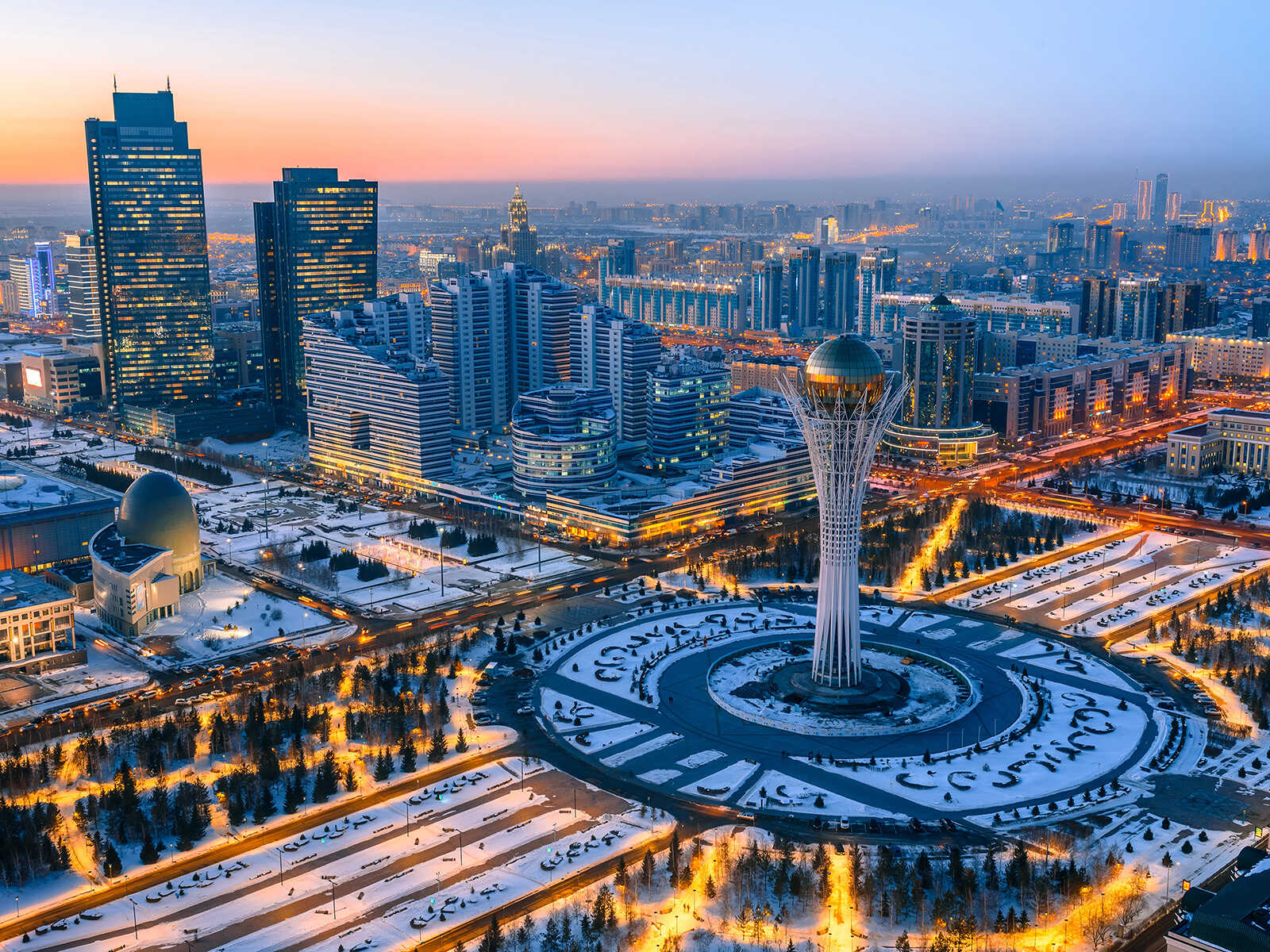
While in Nur-Sultan, visitors can also appreciate the unique architecture of the city, including the iconic Baiterek Tower, which, while not a religious site, symbolizes the aspiration and vision of modern Kazakhstan.
Ancient Mausoleums and Underground Mosques
Beyond Turkistan, southern Kazakhstan hosts other significant Islamic historical sites. TheAisha Bibi Mausoleum, near Taraz, is a stunning 11th-12th century monument renowned for its intricate terracotta decoration, a rare example of Karakhanid architecture. Nearby, theBabaji Khatun Mausoleumstands with its distinctive conical dome, adding to the region's rich spiritual landscape.
Further west, in the remote Mangystau region near Aktau, the spiritual journey continues with a series of unique underground mosques. Carved into soft limestone, these subterranean sanctuaries, such as theBekket Ata MosqueandShakpak Ata Mosque, served as havens for Sufi ascetics. They offer a profound sense of peace and isolation, attracting pilgrims seeking spiritual solace amidst the stark beauty of the Kazakh Steppe.
Christian Heritage: Echoes of the East and West
Kazakhstan is home to a significant Russian Orthodox Christian population, a legacy of its historical ties with Russia. Orthodox churches dot cities and towns, often standing out with their vibrant onion domes and ornate interiors.
Zenkov's Cathedral: A Wooden Wonder
In Almaty, the former capital, the striking Zenkov's Cathedral(Ascension Cathedral) is a prime example of Orthodox architecture. Located in Panfilov Park, this magnificent wooden cathedral was completed in 1907 and is famously built entirely without nails. Its colorful exterior and richly decorated interior, filled with icons and frescoes, make it a remarkable sight and an active place of worship.
Other notable Orthodox churches can be found in cities like Ust-Kamenogorsk and Pavlodar, each reflecting the enduring presence and cultural contribution of the Christian community in Kazakhstan.
Ancient Beliefs and Shamanic Echoes
Long before the arrival of Islam or Christianity, the nomadic peoples of the Kazakh Steppe practiced animistic and shamanic religions, worshipping Tengri (the sky god) and revering ancestral spirits. Evidence of these ancient beliefs can still be found across the country.
Tamgaly-Tas: Petroglyphs of the Past
One fascinating site is Tamgaly-Tas, located along the Ili River. This sacred place features hundreds of ancient petroglyphs carved into rocks, depicting Buddha, bodhisattvas, and various Tibetan inscriptions. While Buddhist, their presence speaks to the historical crossroads nature of Kazakhstan, where different spiritual traditions intersected along the Silk Road. The site resonates with an ancient spiritual energy, inviting contemplation of the beliefs that once flourished here.
Across the vast Kazakh Steppe, countless burial mounds (kurgans) dot the landscape. These ancient tombs, particularly those of the Scythian and Saka peoples, are not just archaeological sites but also hold spiritual significance, representing ancestral reverence and beliefs about the afterlife.
Modern Harmony and Spiritual Tolerance
Kazakhstan prides itself on its multi-ethnic and multi-religious harmony. The government actively promotes interfaith dialogue, famously hosting the Congress of Leaders of World and Traditional Religions in Nur-Sultan every three years. This commitment ensures that diverse faiths—including Catholicism, Protestantism, Judaism, and others—can coexist peacefully and openly.
Tips for Spiritual Travelers
- Respect Local Customs:When visiting mosques, women should cover their heads, shoulders, and knees. Men should wear modest clothing. Shoes are typically removed before entering prayer areas. Similar respect applies to churches and other sacred spaces.
- Photography:Always ask for permission before photographing people, especially in places of worship. Be discreet and respectful.
- Best Time to Visit:Spring (April-May) and autumn (September-October) offer pleasant weather for exploring outdoor sites. Summers can be very hot, especially in the south.
- Transportation:Major cities are well-connected by air and rail. For more remote sites like the underground mosques of Mangystau, hiring a local guide with a 4x4 vehicle is highly recommended.
- Language:Kazakh and Russian are the official languages. English is spoken in tourist areas and by younger generations in larger cities. Learning a few basic Kazakh or Russian phrases will be appreciated.
Kazakhstan offers a profound spiritual journey for those willing to explore its sacred sites. From the grandeur of Sufi mausoleums and modern mosques to the serene beauty of Orthodox cathedrals and ancient petroglyphs, the country's spiritual landscape is a testament to its rich history and enduring faith. It's a place where ancient traditions blend seamlessly with contemporary expressions of belief, inviting visitors to reflect on the deeper meanings of life and culture.
Whether you're drawn by historical pilgrimage, architectural wonder, or a desire for quiet contemplation, Spiritual Kazakhstan promises an enriching and unforgettable experience.