
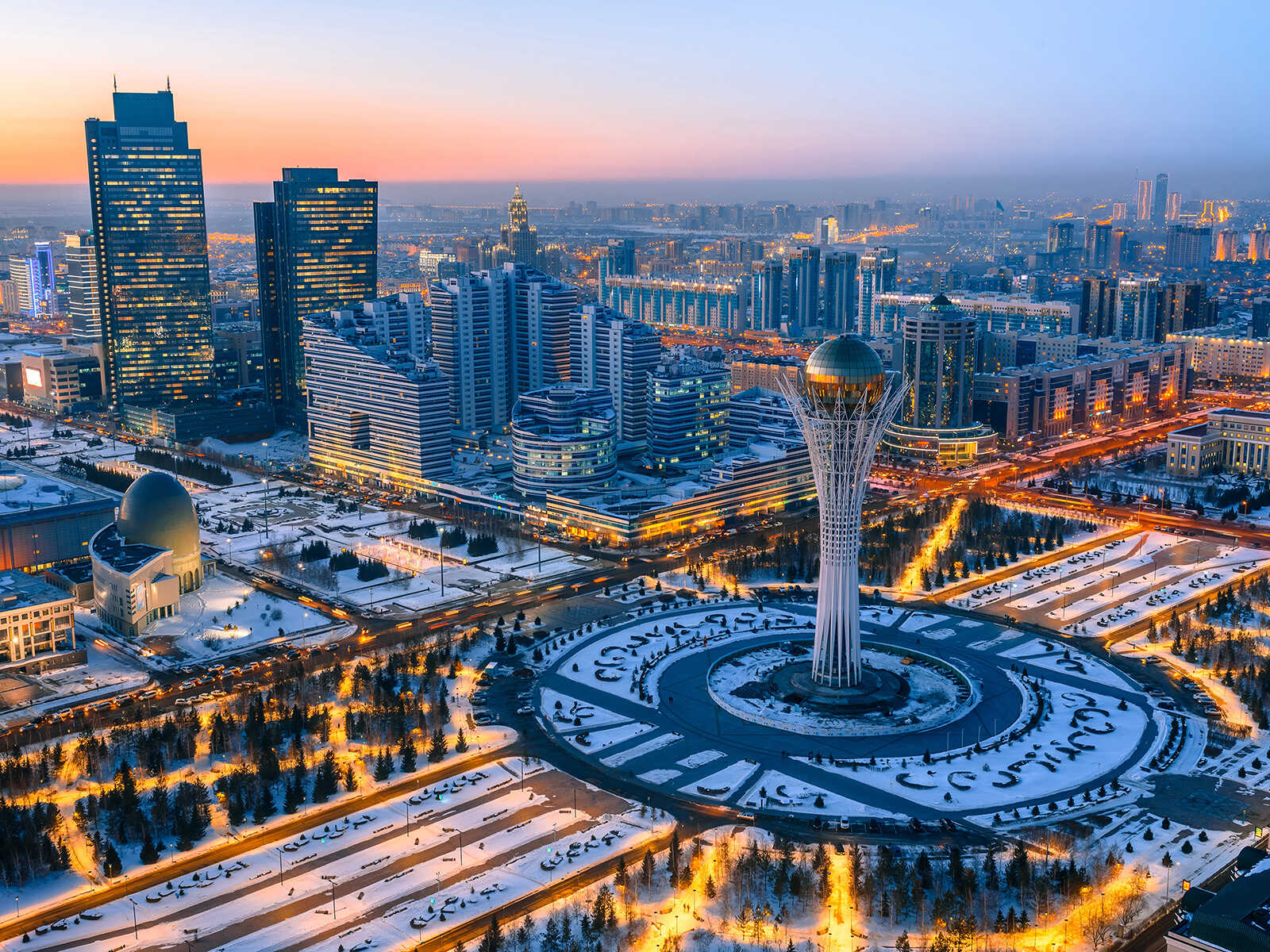
Must-Try Kazakh Food: A Culinary Journey Through Kazakhstan
Embark on a unique culinary adventure through Kazakhstan, a land where ancient nomadic traditions meet diverse Central Asian influences. Kazakh cuisine, deeply rooted in its pastoral heritage, offers a hearty and unforgettable experience for every traveler. Prepare to delve into a world of rich flavors, comforting dishes, and unparalleled hospitality.
The Heart of Kazakh Cuisine: A Nomadic Legacy
Kazakh food is a testament to the country's nomadic past, emphasizing resilience and resourcefulness. Meat, particularly horse and lamb, forms the cornerstone of many dishes, providing essential sustenance for life on the vast Kazakh Steppe. Dairy products also play a crucial role, reflecting a diet designed for endurance and energy. This culinary tradition is not just about food; it's about community, hospitality, and sharing a meal as a sign of respect and friendship.
Essential Main Courses You Can't Miss
Beshbarmak: The National Dish
Considered the crown jewel of Kazakh cuisine,Beshbarmak(meaning "five fingers" as it's traditionally eaten with hands) is a must-try. This celebratory dish typically features boiled horse or lamb meat, served over wide, flat pasta sheets, all swimming in a flavorful meat broth (sorpa). It's often garnished with onions and dill. The preparation is meticulous, and the presentation, often on a large communal platter, embodies Kazakh hospitality. Eating Beshbarmak is more than just a meal; it's a cultural immersion.
Fun Fact:The serving of Beshbarmak often involves a ritualistic distribution of meat pieces, with specific cuts given to guests of honor, elders, and children, reflecting a hierarchical respect within Kazakh tradition.
Kazy and Shuzhyk: Horse Sausage Delicacies
For adventurous eaters,KazyandShuzhykare essential. These are traditional Kazakh horse sausages, prized for their rich flavor and cultural significance. Kazy is made from horse rib meat and fat, seasoned and stuffed into natural casings, then often boiled or smoked. Shuzhyk is similar but typically uses a different cut of horse meat and is cured or dried. Both are often served cold, sliced thin as an appetizer, or as part of a larger meat platter.
Kuurdak: Hearty Fried Meat
Kuurdakis a simple yet incredibly satisfying dish of fried meat (usually lamb or beef), often with potatoes, onions, and sometimes offal. It's a staple in many Kazakh households and is particularly popular for its rich, savory flavors. Often prepared in a large cauldron (kazan), Kuurdak offers a taste of rustic, comforting Kazakh cooking.
Manty: Steamed Dumplings
While found across Central Asia, KazakhMantyholds a special place. These large, steamed dumplings are typically filled with minced meat (lamb, beef, or sometimes horse), onions, and spices. They are often served with a dollop of sour cream (smetana) or a spicy tomato sauce. The delicate, thin dough and juicy filling make Manty an irresistible and comforting dish.
Plov: A Central Asian Classic
Though not exclusively Kazakh,Plov(also known as Palaw or Pilaf) is a widely loved dish across the region, with each country having its own variations. Kazakh Plov typically features tender pieces of meat (lamb or beef), carrots, onions, and rice, slow-cooked in a large kazan to achieve a fragrant, flavorful, and slightly crispy bottom layer. It's a hearty and satisfying meal, perfect after a day exploring sites like Charyn Canyon National Park or Big Almaty Lake.
Lagman: Flavorful Noodle Soup
Another popular Central Asian dish,Lagman, is a hearty noodle soup with hand-pulled noodles, meat (usually beef or lamb), and a rich vegetable broth featuring bell peppers, tomatoes, onions, and garlic. It can be served as a soup or with less broth as a main course, offering a delightful blend of textures and spices. You'll find excellent Lagman in cities like Almaty, perhaps after a visit to Zenkov's Cathedral.
Soups, Snacks, and Sides
Shorpa (Sorpa): The Soul-Warming Broth
Shorpa, orSorpa, is a fundamental part of Kazakh cuisine. This clear, rich meat broth, usually made from lamb or beef, is often served as a starter, especially with Beshbarmak. It's believed to have restorative properties and is a staple in Kazakh homes, embodying warmth and nourishment.
Baursaki: Fluffy Fried Dough
No Kazakh meal is complete withoutBaursaki. These fluffy, bite-sized fried dough pieces are similar to doughnuts but less sweet. They are served with almost every meal, often alongside tea, and are perfect for soaking up rich broths or simply enjoying on their own. They symbolize prosperity and hospitality.
Samsa: Savory Baked Pastries
Samsaare savory pastries, typically baked in a tandoor oven, filled with minced meat (lamb or beef) and onions. Their flaky crust and juicy, spiced filling make them a popular street food and snack. You'll find them at markets and small eateries across the country, including bustling bazaars near the Mausoleum of Khoja Ahmed Yasawi in Turkestan.
Traditional Dairy and Beverages
Kumys: Fermented Mare's Milk
Kumysis perhaps the most iconic Kazakh beverage. This slightly alcoholic, fermented mare's milk has a distinctive sour and effervescent taste. Highly nutritious and historically central to nomadic life, Kumys is an acquired taste for many but a deeply significant cultural drink. It's especially popular during the warmer months.
Shubat: Fermented Camel's Milk
Similar to Kumys,Shubatis fermented camel's milk, primarily consumed in the western regions of Kazakhstan, such as around Aktau. It has a thicker consistency and a stronger, more pungent flavor than Kumys, prized for its nutritional value and unique taste.
Tea: The Universal Drink
Black tea, often served with milk and sugar, is omnipresent in Kazakhstan. It's offered to guests at all times of day and serves as a social lubricant, accompanying every meal and conversation. The tea ceremony, though less formal than in some other cultures, is an integral part of Kazakh hospitality.
Where to Experience Authentic Kazakh Cuisine
Kazakhstan offers numerous opportunities to savor its traditional dishes. In larger cities like Almaty and Astana (now Nur-Sultan), you'll find a range of restaurants from upscale establishments serving refined versions of national dishes to charming, family-run eateries. Don't miss the chance to visit local bazaars, like Almaty's Green Bazaar, for fresh ingredients, street food, and a vibrant atmosphere. For a truly authentic experience, consider visiting a traditional yurt camp or a guesthouse on the Kazakh Steppe, where home-cooked meals offer an unparalleled taste of local life.
Tips for Dining in Kazakhstan
- Embrace Hospitality:Kazakhs are incredibly welcoming. Expect to be offered food and tea generously. Refusing outright can be considered impolite.
- Eat with Your Hands (Sometimes):For dishes like Beshbarmak, it's traditional to eat with your hands. Don't be shy!
- Try the Dairy:Even if Kumys or Shubat seem unusual, give them a try for a true taste of Kazakh culture.
- Prepare for Meat:If you're vegetarian or vegan, dining might be challenging as most traditional dishes are meat-heavy. However, larger cities offer more diverse options.
- Share and Enjoy:Meals are communal affairs. Savor the experience of sharing food and conversation with your hosts or fellow travelers.
A Journey for the Senses
A culinary journey through Kazakhstan is an exploration of history, culture, and flavor. From the hearty national dish of Beshbarmak to the refreshing tang of Kumys, each bite tells a story of the vast Kazakh Steppe and its resilient people. So, come with an open mind and an empty stomach, and prepare to be delighted by the rich, comforting, and utterly unique tastes of Kazakhstan.