
Tokyo vs Kyoto: Which City Should You Visit First?
Deciding between Tokyo and Kyoto for your first Japanese adventure is a common delightful dilemma. Both cities offer unique windows into this incredible country, blending tradition with modernity in fascinating ways. This guide will help you determine which destination best aligns with your travel aspirations.
Understanding the Core Differences
At their heart,Tokyo and Kyoto represent two distinct facets of Japan.Tokyo, the sprawling capital, is a vibrant, futuristic metropolis buzzing with innovation, pop culture, and endless urban exploration.Kyoto, on the other hand, is the former imperial capital, renowned for its serene temples, traditional wooden machiya houses, geisha districts, and a palpable sense of history.
Culture & History: Ancient Serenity vs. Modern Dynamism
- Kyoto: The Heart of Traditional Japan
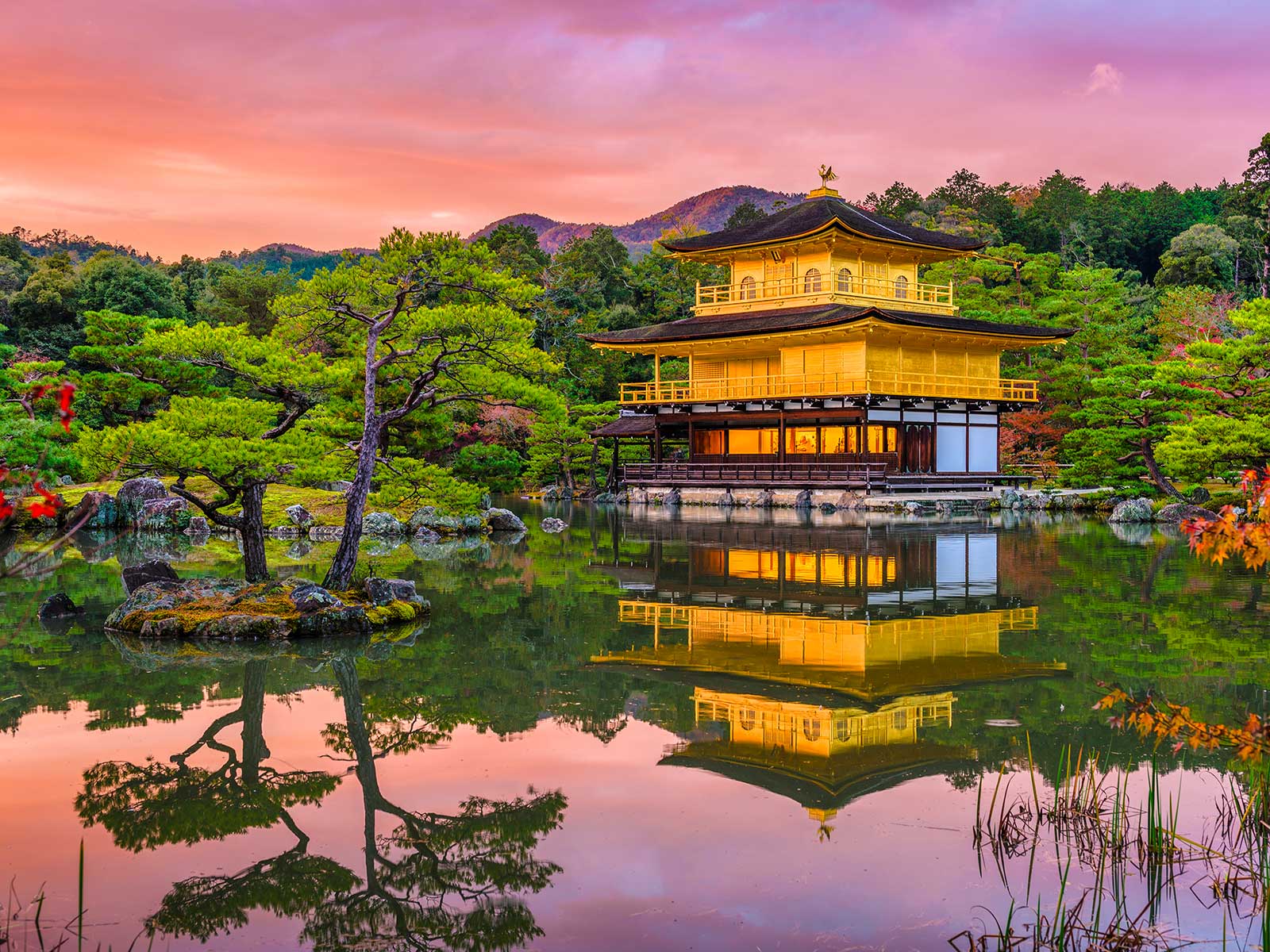
Kyoto is undeniably the epicenter for experiencing classic Japanese culture. With over 2,000 temples and shrines, including the iconic Kinkaku-ji (Golden Pavilion) and Fushimi Inari-taisha with its thousands of red torii gates, history is around every corner. Stroll through the Gion district to spot geisha, participate in a traditional tea ceremony, or wander through the ethereal Arashiyama Bamboo Forest. Its historical preservation is exemplary, offering a profound sense of stepping back in time. - Tokyo: A Tapestry of Eras
While Tokyo boasts historical sites like the Imperial Palace East Garden and the ancient Senso-ji Temple in Asakusa, its historical narrative is more fragmented, reflecting its rapid post-war growth and modernization. History here is often juxtaposed with towering skyscrapers and neon lights. It's a city that constantly reinvents itself, making its "history" more about evolving trends and future-forward thinking than ancient relics.
Urban Landscape & Atmosphere: Neon Glow vs. Subtle Beauty
- Tokyo: The Megacity Marvel
Tokyo is a city of distinct districts, each with its own personality – from the fashion-forward Shibuya and Harajuku to the electronic paradise of Akihabara and the upscale Ginza. The scale is immense, the energy infectious, and the architecture often breathtakingly modern. It's a place where you can feel the pulse of cutting-edge technology and global trends. - Kyoto: Graceful & Contemplative
Kyoto presents a more harmonious blend of urban life and natural beauty. Its cityscape is characterized by lower-rise buildings, traditional wooden homes, and an abundance of gardens and green spaces. The pace is generally slower, more reflective, encouraging visitors to savor moments of tranquility amidst its ancient sites.
Food Scene: Diverse Palate vs. Refined Tradition
- Tokyo: A Gastronomic Universe
Tokyo is a global culinary powerhouse, boasting more Michelin stars than any other city. From exquisite sushi and ramen to quirky themed cafes and international cuisine, the dining options are incredibly diverse and often experimental. You could eat a different cuisine every meal for weeks and still not scratch the surface. - Kyoto: A Culinary Heritage
Kyoto's food scene is deeply rooted in tradition. It's famous forkaiseki(multi-course haute cuisine), delicate tofu dishes, traditional sweets, and vibrant matcha culture. While it has modern dining options, the emphasis is often on preserving and perfecting historical culinary practices, using fresh, local ingredients.
Travel Tip:Regardless of which city you visit first, be sure to reserve popular restaurants well in advance, especially for dinner. Many high-end establishments, particularly in Kyoto, require reservations.
Nature & Day Trips: Urban Parks vs. Scenic Outskirts
- Tokyo: Green Oases and Iconic Views
Despite its urban density,Tokyo offers beautiful parks like Shinjuku Gyoen National Garden and Ueno Park. For nature beyond the city,Mount Fuji is a popular day trip, offering stunning views (though the climb itself is seasonal). The historical shrines and natural beauty of Nikko are also accessible for a longer day excursion. - Kyoto: Gardens and Nearby Wonders
Kyoto itself is rich in gardens, from the zen rock gardens to vast temple grounds. Its surrounding region offers easy access to significant natural and historical sites. A visit to Nara Deer Park, where wild deer roam freely among ancient temples, is an absolute must-do day trip.Osaka Castle and the vibrant city of Osaka are also just a short train ride away.
Accessibility & Logistics: Navigating the System
- Tokyo: Seamless, but Vast
Tokyo's public transportation system is legendary for its efficiency and punctuality. However, its sheer size and the complexity of its rail network can be daunting for first-timers. With a little planning and a good map app, it's incredibly easy to get around. It also hosts major international airports, making it a common entry point to Japan. - Kyoto: Compact & Manageable
Kyoto is more compact and its main attractions are often clustered together, making it easier to navigate, especially using its comprehensive bus network. It's readily accessible from Tokyo via the Shinkansen (bullet train), taking approximately 2.5-3 hours.
When to Choose Tokyo First
You should consider starting your Japanese journey in Tokyo if:
- You thrive inenergetic, bustling environmentsand are excited by mega-city exploration.
- You're fascinated bycutting-edge technology, fashion, and pop culture(think anime, manga, themed cafes).
- You want a virtuallylimitless array of dining options, from street food to Michelin-starred restaurants.
- You prefer a moreself-sufficient, independent travel style, comfortable navigating a vast but efficient public transport system.
- Your ideal trip involves a blend of modern city life with day trips to natural wonders like Mount Fuji or historical sites like Nikko.
When to Choose Kyoto First
You should consider starting your Japanese journey in Kyoto if:
- Your primary goal is to immerse yourself intraditional Japanese culture, history, and art.
- You dream of exploring ancient temples, serene gardens, and possibly spotting a geisha.
- You prefer aslower pace and a more contemplative atmospherefor your introduction to Japan.
- You're particularly interested intraditional Japanese cuisineand tea ceremonies.
- You want easy access to other iconic historical sites like Nara Deer Park and Osaka Castle.
The Verdict: There's No Wrong Answer
Ultimately, both Tokyo and Kyoto offer unforgettable experiences, and most first-time visitors try to incorporate both into their itinerary, often connected by the efficient Shinkansen. If you have limited time, your choice should reflect your primary interests:
- For the ultimate modern urban adventure with a dash of history, start withTokyo.
- For a deep dive into ancient traditions, spiritual sites, and graceful aesthetics, begin withKyoto.
Consider which "face" of Japan you want to experience first. Whichever you choose, you're guaranteed an incredible introduction to this extraordinary country.