
Japanese Architecture: A Guide to Temples, Shrines, and Modern Design
Japanese architecture is a captivating journey through time, seamlessly blending ancient traditions with cutting-edge innovation. From the serene wooden structures of ancient temples to the sleek, futuristic skyscrapers of its metropolises, every building tells a story of cultural values, technological prowess, and a profound connection to nature. This guide explores the diverse architectural landscape of Japan, offering insights into its most iconic forms.
The Foundations of Japanese Architecture
At its heart, traditional Japanese architecture is characterized by its use of natural materials, particularly wood, and a deep respect for the surrounding environment. Influenced by both Shintoism and Buddhism, early designs prioritized harmony, simplicity, and adaptability to Japan's climate. Modular construction, open spaces, and an emphasis on the interplay between indoor and outdoor elements are hallmarks that have persisted for centuries.
Sacred Spaces: Temples and Shrines
Japan's spiritual landscape is dotted with countless temples and shrines, each offering a unique architectural experience and a glimpse into the nation's rich religious heritage.
Shinto Shrines: Gates to the Kami
Shinto shrines are dedicated to the worship ofkami(deities) and are instantly recognizable by their iconictoriigates, which mark the transition from the mundane to the sacred. These structures often feature unpainted wood, reflecting Shinto's reverence for nature and purity. The main buildings, such as thehonden(main sanctuary) andhaiden(worship hall), are typically built in styles likeshinmei-zukuriornagare-zukuri, characterized by their elegant gabled roofs.
A prime example is the Fushimi Inari-taisha in Kyoto, famous for its thousands of vermiliontoriigates winding up a mountainside. Another fascinating aspect is the cyclical rebuilding tradition, epitomized by the Ise Grand Shrine, where buildings are traditionally rebuilt every 20 years to maintain purity and pass on ancient building techniques.
Buddhist Temples: Serenity and Grandeur
Buddhist temples, introduced to Japan in the 6th century, brought new architectural forms, most notably the multi-storied pagoda (tō). These structures, originally reliquaries for sacred relics, became prominent features of temple complexes, alongside grand main halls (kondō), lecture halls (kōdō), and imposing gates (sanmon). Materials shifted towards more decorative elements, including intricate carvings, lacquering, and vibrant paint.
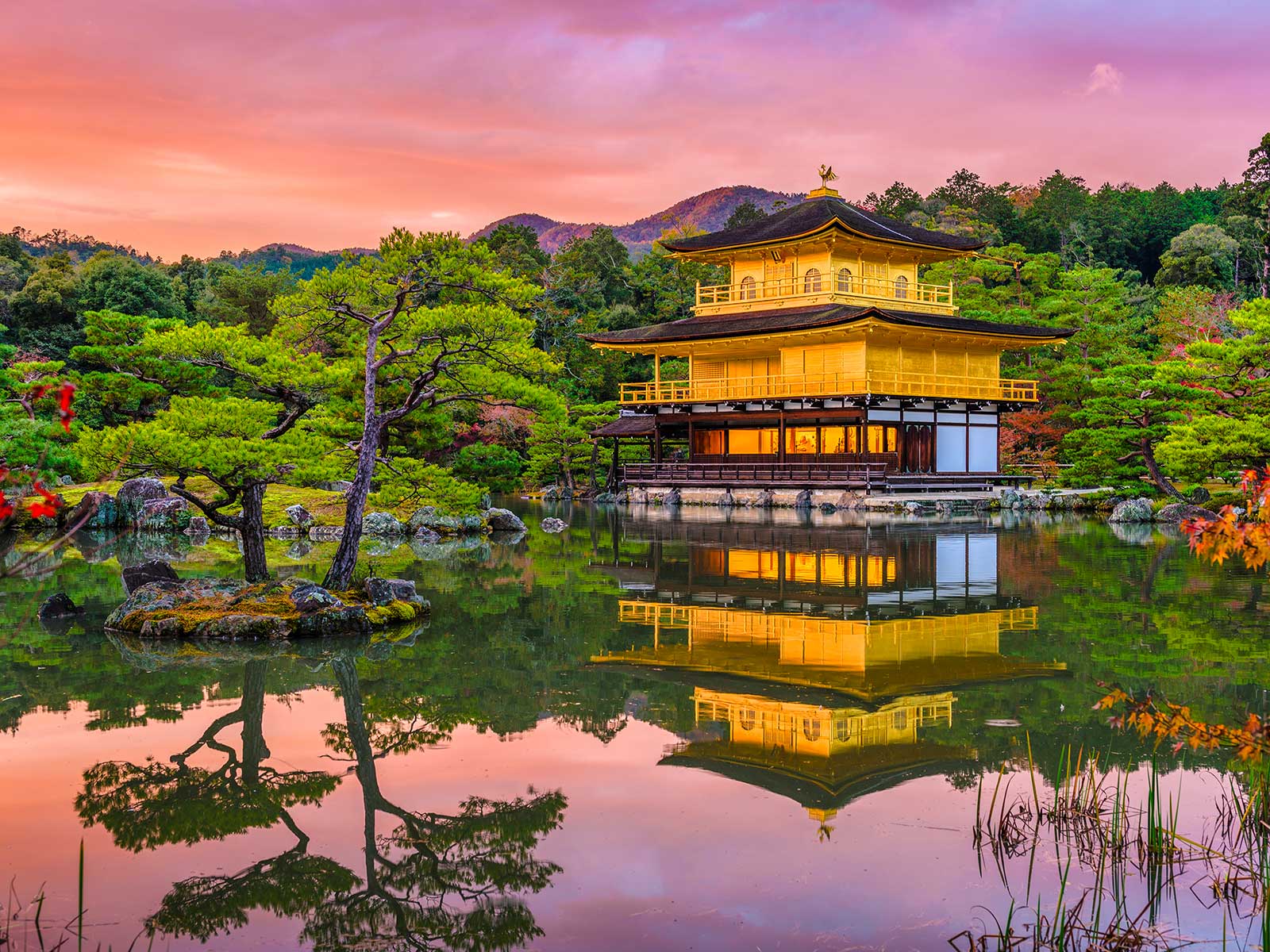
The colossal Tōdai-ji in Nara Deer Park houses a magnificent bronze Buddha statue within its immense wooden hall, a testament to ancient Japanese engineering. Meanwhile,Kyoto is home to exquisite temples like Kinkaku-ji (the Golden Pavilion) and Kiyomizu-dera, showcasing different periods and styles of Buddhist temple architecture. Visitors to Nikko can explore the lavish Toshogu Shrine, a UNESCO World Heritage site that blends Shinto and Buddhist elements with opulent decoration.
Travel Tip:When visiting temples and shrines, observe local customs. Remove your shoes before entering certain buildings and often purify your hands and mouth at thetemizuya(water pavilion) before approaching the main hall.
Castles and Traditional Residences
Beyond sacred sites, Japan's architectural heritage extends to formidable castles and charming traditional homes.
Feudal Castles: Symbols of Power
Japanese castles, built primarily from the 15th to 17th centuries, were marvels of defensive architecture. Characterized by robust stone foundations, multiple layers of walls, intricate moats, and towering donjons (main keeps), they were designed to withstand sieges and project the power of feudal lords. While many were destroyed, several magnificent examples remain, offering a glimpse into this turbulent era.
Perhaps the most iconic is Himeji Castle, a UNESCO World Heritage site renowned for its elegant white exterior and complex defensive maze. Another impressive example is Osaka Castle, with its reconstructed keep offering panoramic city views and a detailed museum.
Traditional Houses: Minka and Machiya
Traditional Japanese homes, known asminka(folk houses) ormachiya(townhouses), reflect ingenuity in adapting to local climates and lifestyles. Built predominantly with wood, earth, and thatch, they feature sliding doors (fusumaandshoji) that allow for flexible room configurations and ventilation, and tatami mat flooring for comfort and warmth. Many Kyoto's traditionalmachiyahave been beautifully preserved or renovated, offering a chance to experience historic urban living.
Modern Japanese Architecture: Innovation and Aesthetics
While deeply rooted in tradition, Japan is also a global leader in modern and contemporary architecture. Post-war reconstruction and rapid economic growth fostered an environment for bold experimentation, leading to groundbreaking designs that continue to influence the world. Modern Japanese architects often draw inspiration from traditional principles like minimalism, natural light, and the integration of indoor and outdoor spaces, reinterpreting them with contemporary materials like steel, concrete, and glass.
The skyline of Tokyo is a testament to this innovation, featuring iconic structures like the Tokyo Skytree, a marvel of engineering, and a myriad of sleek, innovative buildings designed by world-renowned architects such as Tadao Ando and Kengo Kuma. Cities like Kanazawa also boast impressive modern museums and public spaces that harmoniously blend with their historic surroundings. This fusion of old and new creates a unique urban fabric that is both functional and aesthetically profound.
Experiencing Japanese Architecture
Exploring Japan's architecture is an immersive experience. Here are some tips for your journey:
- Visit Diverse Locations:Don't limit yourself to just one city.Kyoto and Nara Deer Park offer unparalleled traditional architecture, while Tokyo showcases cutting-edge modern design.
- Look for Details:Pay attention to the intricate carvings, joinery techniques, and garden designs that complement the main structures.
- Respect Etiquette:At temples and shrines, follow local customs, which often include removing shoes and maintaining quiet reverence.
- Consider Seasonal Visits:The interplay of architecture with nature is especially beautiful during cherry blossom season (spring) or autumn foliage.
From the tranquil sanctuaries that have stood for centuries to the dynamic structures shaping its future, Japanese architecture offers a rich tapestry for exploration. Each building, whether ancient or avant-garde, reflects a culture that values beauty, functionality, and a profound connection to its environment.