
History of Japan for Travelers: Samurai, Temples & Modern Tokyo
Japan's captivating history is a vibrant tapestry woven with tales of powerful samurai, serene temples, and a relentless drive towards modernity. For travelers, understanding this journey from ancient origins to contemporary marvels enriches every experience, transforming a simple visit into a profound exploration.
An Island Nation's Ancient Roots
Japan's history stretches back tens of thousands of years, with the Jomon period (c. 10,000 BCE – 300 BCE) showcasing early hunter-gatherer societies. This was followed by the Yayoi period (c. 300 BCE – 300 CE), which saw the introduction of rice cultivation, metalworking, and more complex social structures. The subsequent Kofun period (c. 300 – 538 CE) is characterized by massive burial mounds (kofun), hinting at the emergence of powerful clans and early imperial rule.
During these formative years, Japan began to absorb influences from mainland Asia, particularly China and Korea. Buddhism arrived in the 6th century, profoundly shaping Japanese art, architecture, and spiritual life, often blending with indigenous Shinto beliefs.
Classical Japan: Emperors, Aristocrats & Sacred Sites
The Nara (710-794 CE) and Heian (794-1185 CE) periods mark Japan's classical era, a time when imperial power was centralized and a sophisticated aristocratic culture flourished. Nara served as the first permanent capital, home to magnificent Buddhist temples like Todai-ji, housing the Great Buddha. Nearby, the Nara Deer Park offers a glimpse into this historical connection, where deer are considered messengers of the gods.
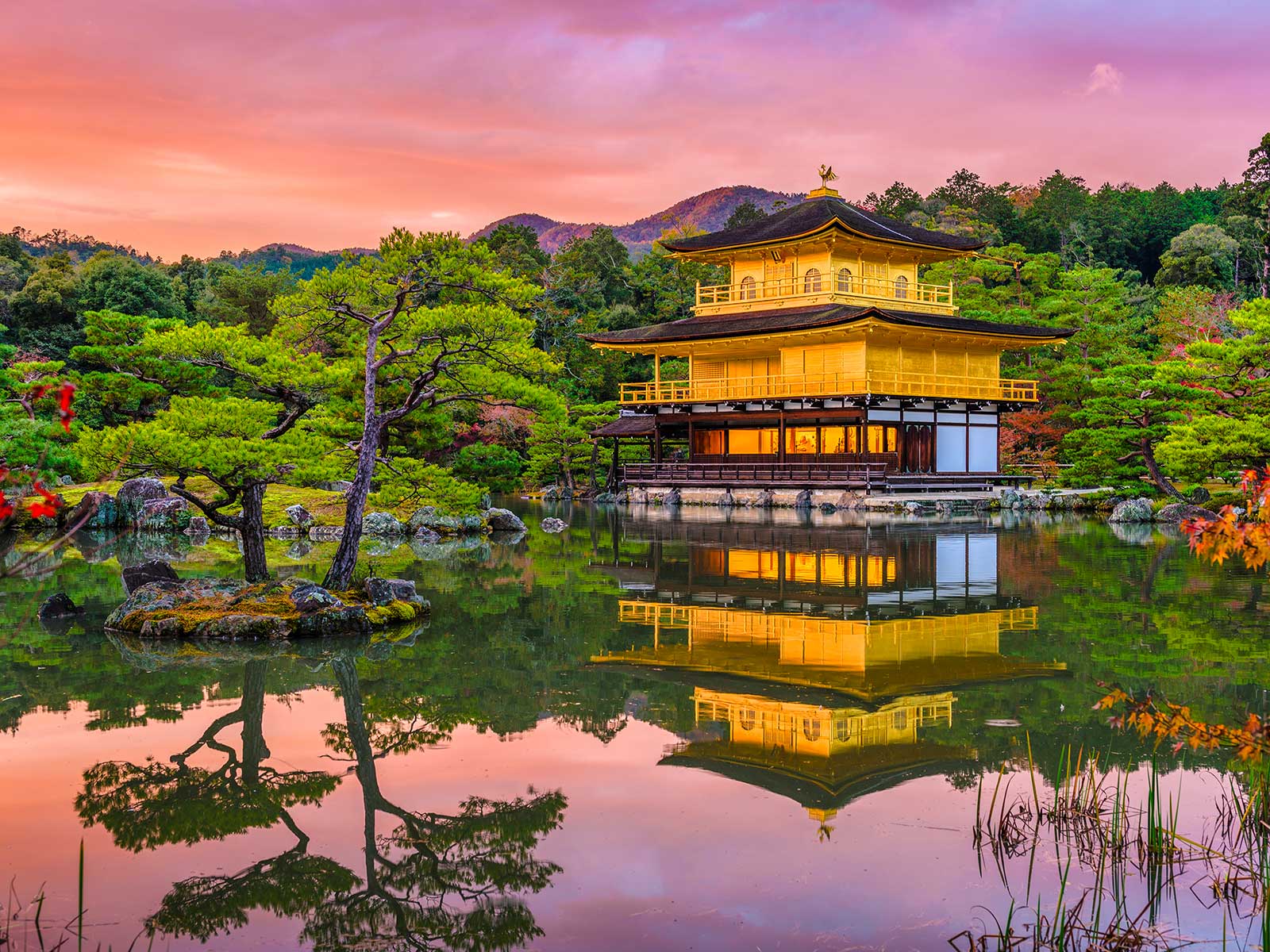
The capital later moved to Heian-kyo, modern-day Kyoto, where it remained for over a thousand years. This era saw the peak of courtly refinement, producing masterpieces of literature likeThe Tale of Genjiand distinctive art forms. Visitors to Kyoto can still experience the elegant remnants of this period through its countless temples, gardens, and traditional districts, including the iconic Arashiyama Bamboo Forest.
Travel Tip:When visiting Kyoto, take time to explore both the grand temples and the smaller, serene gardens. Each offers a unique window into the aesthetic sensibilities of the Heian aristocracy.
The Rise of the Samurai & Feudal Japan
By the late Heian period, the imperial court's power waned as provincial warrior clans gained influence. This eventually led to the establishment of the Kamakura Shogunate (1185-1333), marking the beginning of feudal Japan and the ascendancy of the samurai class. The emperor remained a symbolic figure, but true political and military power rested with the shogun.
The samurai, living by the code of Bushido, became the dominant force for nearly 700 years. Their era was marked by periods of fierce civil war, notably the Sengoku (Warring States) period (1467-1603), where powerful daimyo (feudal lords) vied for control. Figures like Oda Nobunaga, Toyotomi Hideyoshi, and Tokugawa Ieyasu eventually unified the nation.
Impressive castles like Osaka Castle and those found in Kanazawa stand as testament to this turbulent yet foundational period, showcasing defensive architecture and the might of the warrior class.
Edo Period: Peace, Isolation & Flourishing Culture
The establishment of the Tokugawa Shogunate in 1603 ushered in the Edo period (1603-1868), a time of unprecedented peace and stability under a centralized military government based in Edo, modern-day Tokyo. To maintain control and prevent foreign influence, Japan adopted a strict isolationist policy known assakoku.
Despite isolation, Japanese culture thrived. Urban centers like Edo,Osaka, and Kyoto grew rapidly, fostering a vibrant merchant class and popular arts. Kabuki theater, Ukiyo-e woodblock prints, and distinct culinary traditions emerged. The peaceful era also allowed for the development of sophisticated infrastructure, including roads and postal systems, and the preservation of many historical sites, such as the elaborate shrines and temples of Nikko.
Meiji Restoration & Rapid Modernization
The Edo period's isolation ended abruptly in the mid-19th century with the arrival of Western powers. Faced with the threat of colonization, Japan underwent a radical transformation known as the Meiji Restoration (1868). The shogunate was overthrown, imperial rule was "restored," and Japan embarked on a rapid program of modernization and Westernization.
The samurai class was abolished, feudal domains were replaced by prefectures, and industries like steel, shipbuilding, and textiles were rapidly developed. This period saw the rise of modern cities, railways, and a powerful military, propelling Japan onto the world stage as a major power. The iconic Mount Fuji, a symbol of Japan's enduring beauty, witnessed the dramatic changes as the nation transformed.
Post-War Japan & The Modern Metropolis
The 20th century brought immense challenges, including two World Wars. Following the devastation of World War II, Japan rose from the ashes through an "economic miracle," rebuilding its industries and infrastructure with astonishing speed. Today, Japan is a global leader in technology, innovation, and pop culture, while meticulously preserving its rich heritage.
Modern Tokyo stands as a testament to this incredible journey – a sprawling metropolis where ancient traditions blend seamlessly with futuristic skyscrapers. Visitors can explore bustling districts like Shibuya, delve into the latest technological trends, or find serene gardens and temples tucked amidst the urban sprawl. The solemn Hiroshima Peace Memorial Park serves as a poignant reminder of the past and a powerful symbol of peace.
Experiencing Japan's History Today
Traveling through Japan today is a journey through time, offering countless opportunities to connect with its layered past:
- Samurai Heritage:Visit historical castles like Osaka Castle, explore former samurai districts in Kanazawa, or immerse yourself in museums showcasing samurai armor and weaponry.
- Sacred Spaces:Wander through the ancient temples and shrines of Kyoto,Nara Deer Park, and Nikko. Experience traditional rituals and find tranquility amidst spiritual architecture.
- Edo Echoes:Explore well-preserved traditional towns or visit gardens designed in the Edo style. The Imperial Palace East Garden in Tokyo, for example, is built on the former Edo Castle grounds.
- Meiji & Modern Marvels:Witness the architectural grandeur of the Meiji era in cities like Sapporo, or marvel at the technological advancements and vibrant pop culture of modern Tokyo.
- Nature & History:Many historical sites are nestled within breathtaking natural landscapes. Combine your historical exploration with visits to places like Mount Fuji or the serene Chūbu-Sangaku National Park, where the mountains have long held spiritual significance.
Insider Tip:Don't just visit sites; engage with the local culture. Attend a tea ceremony, watch a traditional performance, or try regional cuisine to deepen your connection to Japan's living history.
From the disciplined warriors of feudal Japan to the tranquil beauty of ancient temples and the dazzling innovation of its modern cities, Japan offers an unparalleled historical adventure. Each step reveals a new chapter in a story that continues to evolve, inviting travelers to discover its profound depths.