
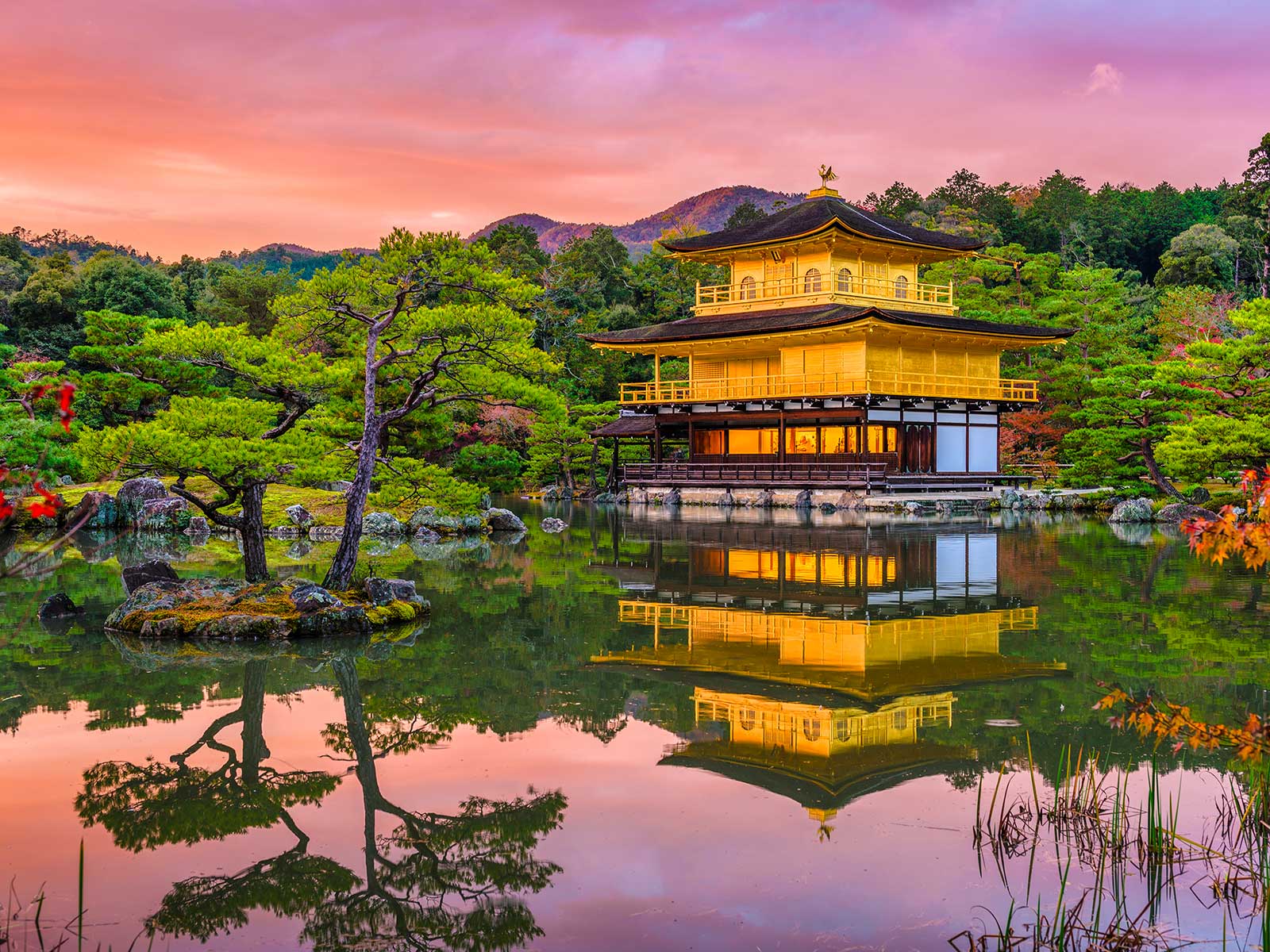
Autumn in Japan: Fall Foliage Guide & Best Viewing Spots
As summer's warmth fades, Japan undergoes a breathtaking transformation, painting its landscapes in fiery reds, brilliant oranges, and golden yellows. Witnessing the spectacular autumn leaves, known askoyo, is an iconic experience, drawing visitors to mountains, temples, and city parks alike.
The Magic of Koyo: What to Expect
The Japanese term for autumn leaves,koyo(紅葉), translates literally to "red leaves," though it encompasses the full spectrum of fall colors. While cherry blossoms (sakura) herald spring,koyomarks the arrival of a different kind of natural beauty, often celebrated with equal fervor. The stars of this seasonal show are primarily maple trees (momiji), known for their intense scarlet hues, alongside ginkgo trees (icho) which turn a brilliant golden yellow, and zelkova trees, adding shades of orange and brown.
Unlike the fleeting cherry blossoms, fall foliage typically lasts longer, with peak viewing periods stretching over several weeks in different regions. The transformation begins in the cooler northern regions and higher elevations in late September, gradually sweeping south across the archipelago until early December, offering a prolonged opportunity to chase the colors.
When to Go: Japan's Fall Foliage Forecast
Timing your visit for peakkoyocan be tricky, as it depends on weather patterns and elevation, but general trends provide a reliable guide. The leaves change color from north to south and from higher to lower altitudes.
- Hokkaido:Late September to late October.
- Tohoku & Japanese Alps:Mid-October to mid-November.
- Kanto & Kansai (including Tokyo and Kyoto):Mid-November to early December.
- Kyushu:Late November to early December.
It's important to remember that ginkgo trees often turn color slightly earlier than maples. For the most up-to-date information, check seasonal foliage forecasts from the Japan Meteorological Agency or local tourism boards closer to your travel dates.
Top Fall Foliage Viewing Spots Across Japan
Hokkaido & Northern Honshu
The earliest colors emerge in Japan's northernmost reaches. In Sapporo, you can enjoy golden ginkgo avenues and vibrant maples in city parks like Nakajima Park and Hokkaido University. For more rugged, mountainous beauty, the Daisetsuzan National Park in Hokkaido is where the first hints of autumn appear in late September, drawing hikers to its magnificent alpine scenery.
Fun Fact:The term "momijigari" (紅葉狩り) literally means "maple leaf hunting," a traditional Japanese custom of visiting scenic areas in autumn to admire the changing leaves.
Kanto Region & Central Honshu
This region offers a diverse array of viewing experiences, from urban parks to ancient shrines nestled in mountains.
- Nikko:A UNESCO World Heritage site,Nikko is renowned for its stunning autumn colors, particularly around the temples and shrines. The Irohazaka Winding Road offers spectacular views, and Lake Chuzenji and Kegon Falls are framed by breathtaking foliage in late October to early November.
- Mount Fuji Area:The iconic silhouette of Mount Fuji provides a majestic backdrop to the autumn leaves, especially around the Fuji Five Lakes (Fujigoko). Lake Kawaguchiko is a prime spot, with its Momiji Corridor and autumn leaf festival. Best seen mid-November.
- Tokyo:Even Japan's bustling capital transforms. Enjoy brilliant ginkgo trees lining Meiji Jingu Gaien and Showa Kinen Park, or discover tranquil beauty in traditional gardens like Rikugien and Koishikawa Korakuen, which host evening illuminations.
- Chūbu-Sangaku National Park(Japanese Alps):High-altitude areas like Kamikochi offer some of the earliest and most spectacular autumn scenery in Honshu, with vibrant forests and towering peaks. The peak season here is usually mid-October.
- Kanazawa:Kenrokuen Garden, one of Japan's "Three Great Gardens," is beautiful year-round, but truly shines in autumn with its meticulously maintained trees ablaze with color.
Kansai Region
The cultural heartland of Japan,Kyoto, is arguably the most famous destination for autumn leaves, with countless temples and gardens offering picturesque scenes.
- Kyoto:Must-visit spots include Tofukuji Temple (famous for its Tsutenkyo Bridge enveloped in maples), Eikando Temple (renovated for night illuminations), Kiyomizu-dera Temple, and Arashiyama. While the Arashiyama Bamboo Forest itself doesn't change color, the surrounding temples like Tenryu-ji and Jojakko-ji offer magnificent autumn views. Peak viewing is typically mid-November to early December.
- Nara Deer Park:Experience the unique charm of wild deer roaming among vibrant ginkgo and maple trees. Todai-ji Temple and Isuien Garden also provide stunning backdrops.
- Osaka Castle Park:The park surrounding Osaka Castle offers a pleasant urban escape with its ginkgo-lined avenues turning golden.
- Nunobiki Herb Garden (Kobe):Accessible via ropeway, this garden and surrounding area offer panoramic views of Kobe and the autumn foliage, especially around the Nunobiki Waterfall.
Western Japan & Kyushu
Autumn arrives later in Japan's western and southernmost regions, providing a final flourish of color.
- Hiroshima Peace Memorial Park:The park's ginkgo trees turn a striking yellow in late November, offering a poignant beauty amidst the historical significance. Miyajima Island, a short ferry ride from Hiroshima, is also famous for its Momijidani Park.
- Oita Prefecture:Yabakei Gorge in Oita Prefecture is a designated "Place of Scenic Beauty" and is particularly famous for its stunning autumn foliage, best enjoyed through scenic drives or walks along the gorge.
Tips for an Unforgettable Koyo Experience
- Plan Ahead:Popular viewing spots, especially in Kyoto, can get extremely crowded. Book accommodations and key transportation well in advance.
- Go Early or Late:Visit popular locations in the early morning or late afternoon to avoid the biggest crowds and capture beautiful light for photography.
- Check Forecasts:Keep an eye on the latest foliage forecasts for precise timing, as peak colors can shift slightly year to year.
- Consider Weekdays:If your schedule allows, visit major sites on weekdays rather than weekends to enjoy a more serene experience.
- Evening Illuminations:Many temples and gardens, particularly in Kyoto and Tokyo, offer special evening illuminations (yaka) of their autumn leaves, creating a magical atmosphere.
- Wear Comfortable Shoes:You'll be doing a lot of walking, especially at temple complexes and gardens.
- Respect Local Customs:Be mindful of others, avoid littering, and stick to designated paths.
Beyond the Leaves: Autumn Activities
Whilekoyois the main attraction, autumn in Japan offers much more to enhance your trip.
- Onsen Retreats:Immerse yourself in a traditional Japanese hot spring (onsen) bath, often outdoors, surrounded by vibrant autumn leaves for a truly tranquil experience.
- Hiking:Many of the best foliage spots are found in mountainous regions, making autumn an ideal time for hiking. Explore trails in national parks like Chūbu-Sangaku National Park or around Mount Fuji.
- Seasonal Cuisine:Autumn is a season of harvest, bringing delicious seasonal delicacies. Savor dishes featuring chestnuts (kuri), persimmons (kaki), sweet potatoes (satsumaimo), and mushrooms (kinoko).
- Festivals:Many local festivals (matsuri) take place in autumn, celebrating the harvest or specific cultural traditions. Check local schedules for a chance to experience authentic Japanese culture.
Autumn in Japan is a symphony of colors, a season of profound beauty and cultural richness that offers an unforgettable travel experience. Whether you seek serene temple gardens, majestic mountain vistas, or vibrant cityscapes, Japan's fall foliage promises a visual feast that will captivate your senses.