
A Beginner's Guide to Japanese History: From Ancient Times to the Modern Era
Embarking on a journey through Japan's rich history offers a profound understanding of its unique culture, traditions, and resilience. From ancient civilizations to its modern-day global influence, the story of Japan is a captivating tapestry of emperors, samurai, and dramatic transformations.
This guide provides a concise yet comprehensive overview, perfect for travelers seeking to deepen their appreciation for this fascinating nation. Discover the pivotal moments that shaped Japan into the extraordinary country it is today.
Ancient Japan: Origins and Early Civilizations
Japan's history stretches back tens of thousands of years, long before written records. The earliest periods laid the groundwork for its distinct cultural identity.
Jomon Period (c. 10,000 BCE – 300 BCE)
The Jomon period represents Japan's prehistoric era, characterized by a hunter-gatherer society. People lived in pit dwellings and created some of the world's oldest pottery, known for its distinctive cord-marked patterns. This long period of relative stability allowed for the development of complex spiritual beliefs and artistic expression.
Yayoi Period (c. 300 BCE – 300 CE)
A significant shift occurred with the arrival of new migrants, likely from continental Asia, bringing with them transformative technologies. The Yayoi period saw the introduction of rice cultivation, metalworking (bronze and iron), and weaving. These innovations led to more sedentary lifestyles, the formation of villages, and the beginnings of social hierarchy. Evidence of this period can be found across the Japanese archipelago.
Kofun Period (c. 300 CE – 538 CE)
Named after the massive burial mounds (kofun) built for powerful leaders, this period marks the emergence of a unified state under the Yamato court. This court, based in what is now modern-day Nara Prefecture, gradually expanded its influence, laying the foundation for the imperial line that continues to this day. Intricate artifacts, including iron weapons and Haniwa clay figures, have been unearthed from these impressive tombs.
Classical Japan: Imperial Power and Cultural Flourishing
The classical era saw the adoption of Buddhism, the establishment of permanent capitals, and a golden age of aristocratic culture.
Asuka Period (538 CE – 710 CE)
The Asuka period is defined by the introduction of Buddhism from Korea, profoundly influencing Japanese art, architecture, and governance. Prince Shotoku Taishi, a revered regent, played a crucial role in promoting Buddhism and adopting Chinese political systems and writing. He also established significant temples and codified a moral constitution.
Nara Period (710 CE – 794 CE)
Japan's first permanent capital was established at Heijō-kyō, modern-day Nara. During this period, the imperial court embraced Chinese models of government and culture. The construction of magnificent Buddhist temples, such as Tōdai-ji, housing the Great Buddha, symbolized the close ties between the state and religion. Exploring the historic sites around Nara today offers a direct connection to this era.
Did you know?The Great Buddha in Nara's Tōdai-ji Temple is one of Japan's largest bronze statues, a testament to the advanced metalworking skills of the Nara Period.
Heian Period (794 CE – 1185 CE)
The capital moved to Heian-kyō, modern Kyoto, ushering in a golden age of aristocratic culture. While the emperor ruled in name, power gradually shifted to influential court families like the Fujiwara. This era saw the flourishing of distinctly Japanese literature, such asThe Tale of Genji, and art forms, laying the foundations for Noh theater and classical poetry. However, away from the refined court, the provincial warrior class, the samurai, began to grow in power, setting the stage for the next historical chapter. Many of Kyoto's iconic temples and gardens have their roots in this period.
Feudal Japan: Samurai, Shoguns, and Unification
For centuries, Japan was dominated by a warrior class, leading to periods of both intense warfare and remarkable cultural development.
Kamakura Period (1185 CE – 1333 CE)
Following a period of civil strife, Minamoto no Yoritomo established the first samurai government (shogunate) in Kamakura, marking the beginning of feudal Japan. The emperor remained a symbolic figure in Kyoto, but real power rested with the shogun. This period saw the rise of Zen Buddhism, which strongly influenced samurai culture and aesthetics.
Muromachi Period (1333 CE – 1573 CE)
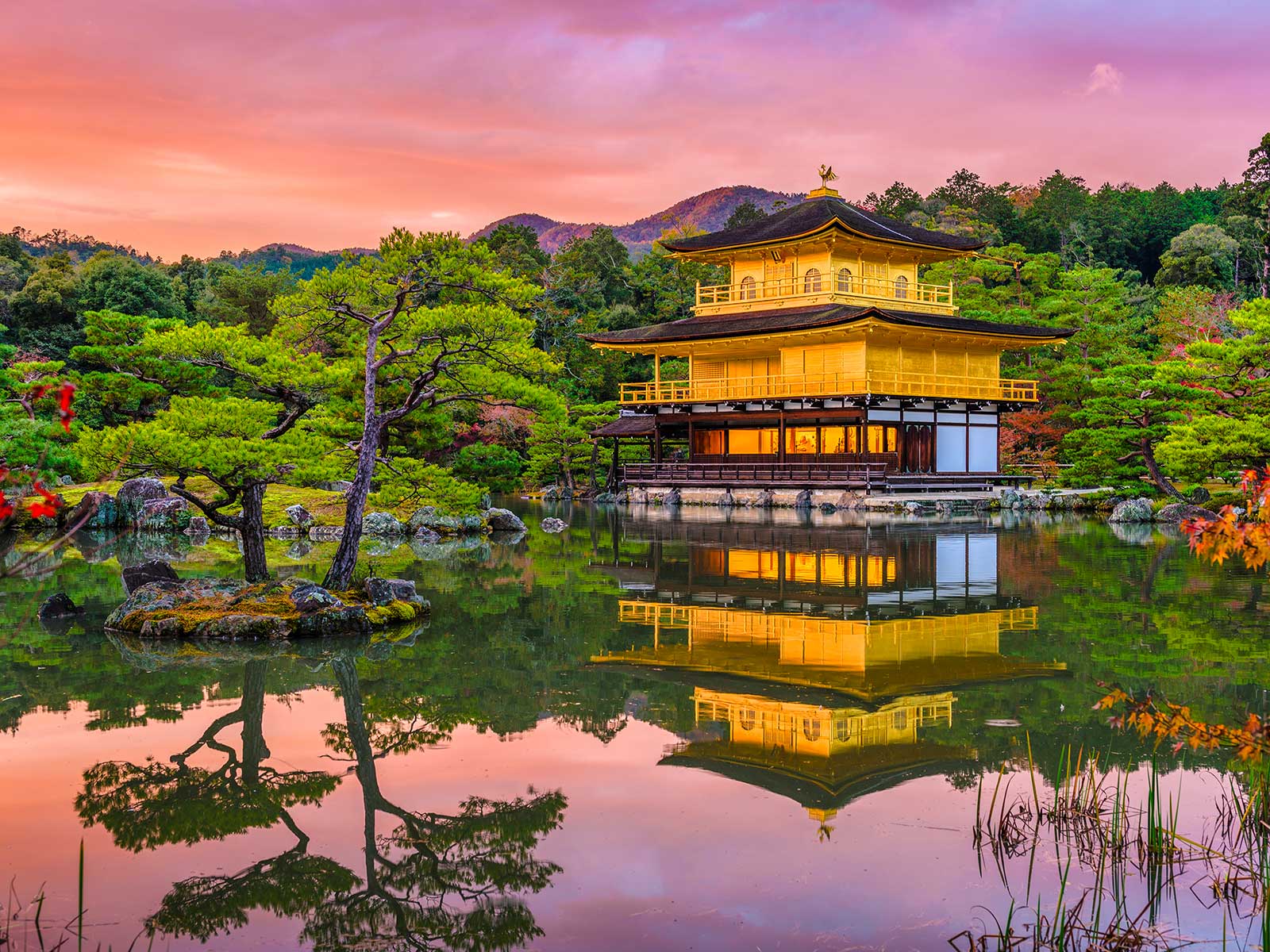
The Ashikaga shogunate, based in Kyoto, ruled during this era. Despite political instability and frequent warfare, cultural innovation continued, giving rise to the tea ceremony, flower arrangement (ikebana), and ink painting. The elegant Kinkaku-ji (Golden Pavilion) in Kyoto is a prime example of Muromachi architecture.
Sengoku Period (1467 CE – 1603 CE)
Translating to "Warring States Period," this was a century of intense civil war as powerful regional daimyo (feudal lords) vied for control. Three great unifiers eventually brought an end to this chaos: Oda Nobunaga, Toyotomi Hideyoshi, and finally, Tokugawa Ieyasu. Their efforts culminated in the establishment of a new, lasting shogunate.
Travel Tip:Visiting Osaka Castle offers a tangible connection to Toyotomi Hideyoshi, one of Japan's great unifiers, whose legacy is intertwined with this magnificent structure.
Edo Period (1603 CE – 1868 CE)
Tokugawa Ieyasu established his shogunate in Edo (modern-day Tokyo), ushering in over 250 years of relative peace and stability. The Tokugawa shogunate implemented a strict class system and a policy of national isolation (sakoku), limiting foreign contact to maintain control. Despite isolation, a vibrant urban culture flourished, giving rise to kabuki theater, woodblock prints (ukiyo-e), and a burgeoning merchant class.Tokyo transformed from a small fishing village into one of the world's largest cities during this era.
Modern Japan: From Isolation to Global Power
The mid-19th century brought an end to isolation and marked the beginning of Japan's rapid transformation into a modern nation.
Meiji Restoration (1868 CE)
Facing pressure from Western powers and internal discontent, the Tokugawa Shogunate collapsed, and imperial rule was "restored" under Emperor Meiji. This pivotal event triggered rapid modernization and industrialization, as Japan selectively adopted Western technology, political systems, and military strategies. The samurai class was abolished, and a centralized government was established, setting Japan on a course to become a major world power.
Taisho and Early Showa Periods (1912 CE – 1945 CE)
During the early 20th century, Japan continued its expansionist policies, engaging in conflicts like the Russo-Japanese War and eventually joining the Axis powers in World War II. The war brought immense devastation, culminating in the atomic bombings of Hiroshima and Nagasaki, leading to Japan's unconditional surrender in 1945.
Post-War Japan (1945 CE – Present)
Under Allied occupation, Japan underwent significant democratic reforms and demilitarization. The subsequent "economic miracle" saw Japan rebuild and emerge as a global economic powerhouse. Today, Japan is renowned for its technological innovation, unique pop culture (anime, manga), and enduring traditions. From the bustling streets of Tokyo to the serene temples of Kyoto, the echoes of its long and dramatic history are visible everywhere, making it a truly captivating destination for any traveler.