
How to Order Coffee in Italy: A Beginner's Guide to Italian Coffee Culture
Stepping into an Italian bar for coffee is an essential part of the travel experience, but it can feel daunting for first-timers. Far more than just a drink, coffee in Italy is a cherished daily ritual, steeped in tradition and distinct etiquette. This guide will help you confidently navigate the nuances of ordering coffee like a local.
The Italian Coffee Experience: More Than Just a Drink
Forget everything you know about coffee shops; in Italy, a "bar" is the heart of daily life, serving everything from morning pastries and coffee to aperitivos in the evening. The coffee culture here is built on speed, quality, and a shared social ritual. Most Italians enjoy their coffee standing at the counter, a quick shot of energy before continuing their day.
This isn't just about caffeine; it's about a moment of connection, a pause in the day, often enjoyed several times. Whether you're in the bustling streets of Venice or a quiet village in Tuscany, the core experience remains the same: efficient, delicious, and deeply ingrained in the local lifestyle.
Navigating the Menu: Essential Italian Coffee Terms
Understanding the vocabulary is your first step to ordering like a pro. Forget complex Starbucks menus; Italian coffee is simple, yet precise.
The Basics: Espresso and Beyond
- Caffè:When you simply ask for "un caffè," you'll receive anespresso. This is the cornerstone of Italian coffee culture – a small, strong shot of concentrated coffee, served in a tiny cup. It's meant to be drunk quickly, often in just a few sips.
- Caffè Lungo:A "long coffee," meaning the barista extracts a little more water through the same amount of coffee grounds. It’s slightly less intense than a standard espresso, but still strong.
- Caffè Ristretto:The opposite of a lungo, this is an even shorter, more concentrated shot of espresso, delivering maximum flavor in minimal volume.
- Caffè Macchiato:"Stained coffee" – an espresso with a tiny dollop of foamed milk on top. You can specify "caldo" (hot) or "freddo" (cold milk foam).
- Caffè Americano:An espresso diluted with hot water, served in a larger cup. It's the closest thing to filter coffee you'll find, though still distinct.
- Caffè Corretto:An espresso "corrected" with a shot of liquor, typically grappa, sambuca, or brandy. Usually enjoyed after a meal.
Milk-Based Coffees: Know Your Morning Rules
Milk-based coffees are generally considered a morning drink in Italy.
- Cappuccino:The iconic Italian coffee. It’s an espresso shot topped with steamed milk and a generous cap of foam. It's almost exclusively consumed for breakfast, often with a pastry.
- Latte Macchiato:"Stained milk" – a glass of steamed milk with a shot of espresso poured into it, often creating distinct layers. It's essentially warm milk with a touch of coffee.
- Caffè Latte:Very similar to a latte macchiato, but with the espresso added first, then topped with steamed milk. It’s warm milk and coffee, usually served in a larger cup.
- Orzo:A caffeine-free roasted barley drink, popular with those avoiding caffeine or for children.
- Ginseng:A sweet, creamy, coffee-like drink made with ginseng extract. It's often thicker and sweeter than regular coffee.
Iced Coffee and Summer Drinks
If you're visiting during the warmer months, especially in places like Cinque Terre or Pisa, you might seek out colder options.
- Caffè Freddo:Pre-sweetened, chilled espresso, often kept in a large bottle or dispenser behind the bar.
- Caffè Shakerato:Espresso shaken with ice and sugar until frothy and cold, then strained into a martini glass. A sophisticated and refreshing summer treat.
- Crema di Caffè:A delicious, semi-frozen, creamy coffee dessert, served cold in a small glass.
The Ordering Process: A Step-by-Step Guide
Ordering coffee in Italy is a swift and efficient affair. Here’s how it typically works:
- Find the Cassa (Cashier):In most bars, especially busy ones, you pay first. Head to the cash register and tell them your order. For example, "Un caffè, per favore" (An espresso, please) or "Un cappuccino e un cornetto, per favore" (A cappuccino and a croissant, please).
- Pay and Get Your Receipt:The cashier will tell you the price. Once paid, you'll receive a small receipt (uno scontrino).
- Go to the Bar:Take your receipt to the main coffee counter where the barista is working. Place your receipt on the counter, or hand it directly to the barista.
- Wait for Your Drink:The barista will see your receipt and prepare your order. This is usually very quick.
- Drink Standing Up:Most Italians drink their espresso or cappuccino standing at the counter. It's part of the fast-paced culture. If you choose to sit at a table, be aware that prices are often higher for table service (servizio al tavolo).
Unwritten Rules of Italian Coffee Etiquette
Beyond the menu, there are a few cultural norms that will help you blend in.
The Morning Rule for Milk
Strongly adhere to this:Milk-based coffees like cappuccino or latte macchiato are strictly for breakfast. Italians believe that milk after a meal hinders digestion. Ordering a cappuccino after 11 AM (or especially after lunch or dinner) might get you a polite, but knowing, stare. Stick to espresso or caffè macchiato in the afternoon.
Sugar and Stirring
Sugar is usually provided in individual packets or small dispensers on the counter. Add it to your taste, stir, and drink. Italians often drink their espresso unsweetened or with just a little sugar to appreciate the bean's flavor.
Water First
Many bars serve a small glass of sparkling or still water with your espresso. This is typically meant to cleanse your palatebeforeyou drink your coffee, allowing you to fully appreciate the taste. You can drink it after as well, but the tradition is before.
Don't Ask for a "Latte"
If you ask for "un latte," you will simply get a glass of milk. If you want a coffee with milk, specify "caffè latte" or "latte macchiato."
Embrace the Bar Culture
Italian bars are lively, sometimes noisy places. The interaction is brief and functional. Don't expect long conversations with the barista or a quiet, cozy corner. It's about efficiency and enjoying a quality drink.
Fun Fact:The word "espresso" literally means "expressed" or "pressed out," referring to the method of forcing hot water through finely ground coffee beans.
Where to Enjoy Your Coffee: Iconic Italian Spots
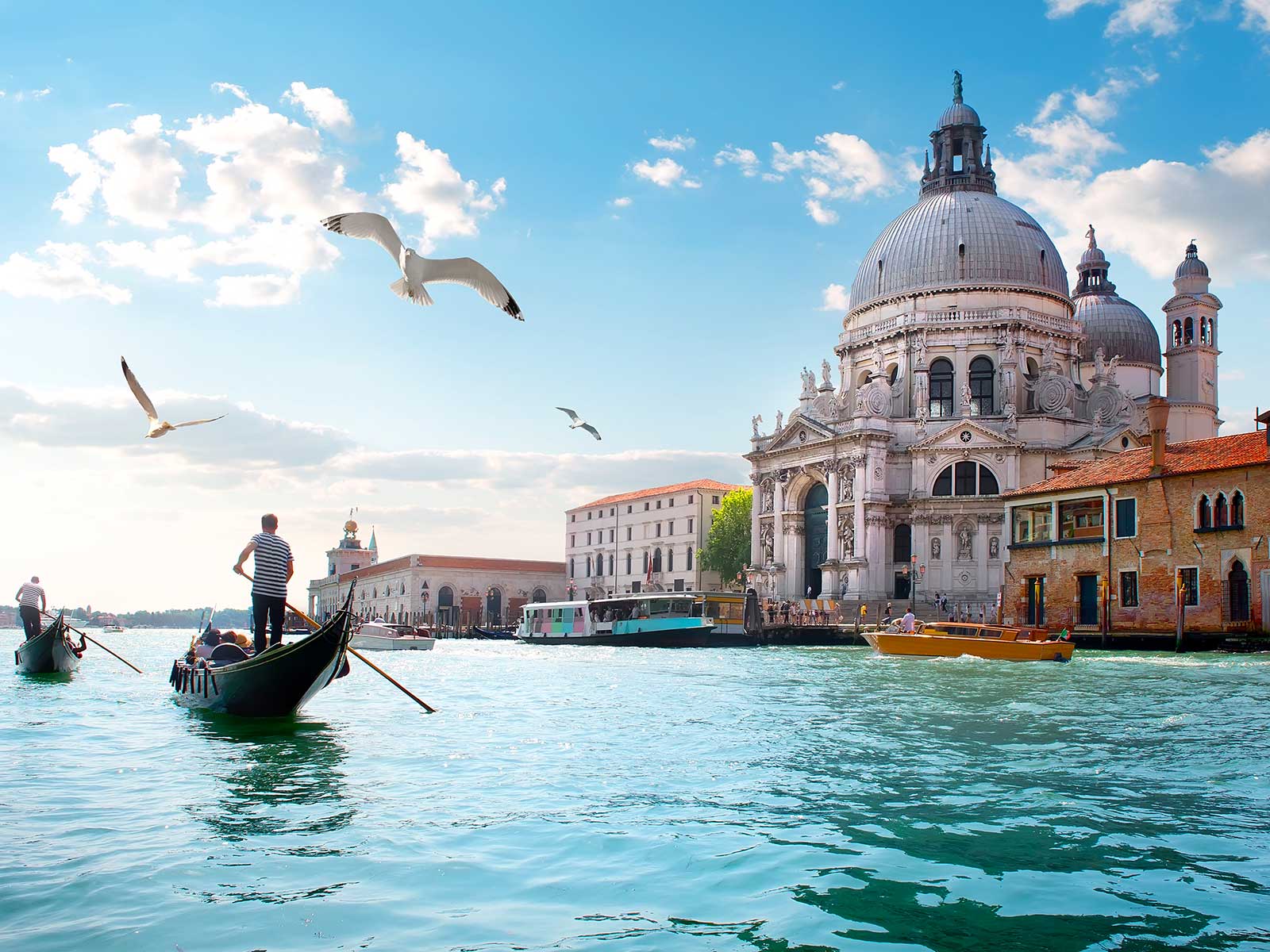
Everywhere you go in Italy, from grand cities to charming towns, you'll find incredible coffee. In Venice, you could splurge on a coffee at a historic café in Piazza San Marco, or grab a quick, cheap espresso standing at a local bar near the Rialto Bridge. In Tuscany, enjoy a morning cappuccino in a village square in Siena, or a quick caffè at a roadside stop before visiting Montemerano. The experience is universal yet uniquely local.
Common Mistakes to Avoid
- Ordering a cappuccino after noon:This is the golden rule. Don't break it!
- Asking for a "latte":Unless you want just a glass of milk.
- Sitting down without paying first:Always check if you need to pay at the cashier before ordering at the bar, especially in busy spots.
- Expecting a large, to-go cup:Italian coffee is typically served in small, ceramic cups, meant to be enjoyed on the spot. To-go cups are rare, though becoming slightly more common in tourist-heavy areas.
Mastering the art of ordering coffee in Italy is more than just learning a few phrases; it's about embracing a cherished cultural tradition. With this guide, you’re now equipped to enjoy one of Italy’s most authentic and delightful experiences with confidence and ease.Buon caffè!