
Getting Around Italy: Transportation Options for Every Traveler
Italy, a country of unparalleled beauty and diverse landscapes, offers a myriad of ways to explore its historic cities, rolling countryside, and stunning coastlines. Navigating this enchanting destination is part of the adventure, and choosing the right mode of transport can significantly enhance your travel experience.
From the intricate waterways of Venice to the sun-drenched hills of Tuscany, understanding Italy's transportation network is key to a smooth and memorable journey. This guide will help you decipher the best options for every type of itinerary, ensuring you spend less time worrying about logistics and more time soaking in la dolce vita.
Navigating Italy's Cities: Urban Transportation
Italian cities, with their ancient cobblestone streets and bustling piazzas, often require a different approach to getting around than intercity travel. Here’s how to master urban mobility.
Walking: The Quintessential Italian Experience
Many of Italy's most charming city centers are best explored on foot. Pedestrian-friendly zones are common, allowing you to wander through narrow alleyways, discover hidden gems, and soak in the atmosphere at your own pace. In cities like Venice, walking is not just a preference, but often a necessity, as you cross bridges like the Rialto Bridge or explore neighborhoods like Dorsoduro.
Tip:Wear comfortable shoes! You'll likely cover more ground than you expect, especially in places like Piazza San Marco or while exploring the labyrinthine streets surrounding the Doge's Palace.
Public Transit: Buses, Trams, and Metro
Most major Italian cities boast efficient public transportation systems, including buses, trams, and often a metro (subway) in larger urban centers like Rome, Milan, and Naples. These are excellent, economical ways to cover longer distances within a city.
- Buses & Trams:Extensive networks cover most urban areas. Tickets must usually be purchased beforehand at tabacchi (tobacco shops), newsstands, or ticket machines and then validated once on board.
- Metro:Fast and convenient for reaching destinations further afield from the historic core. Look for 'Metropolitana' signs.
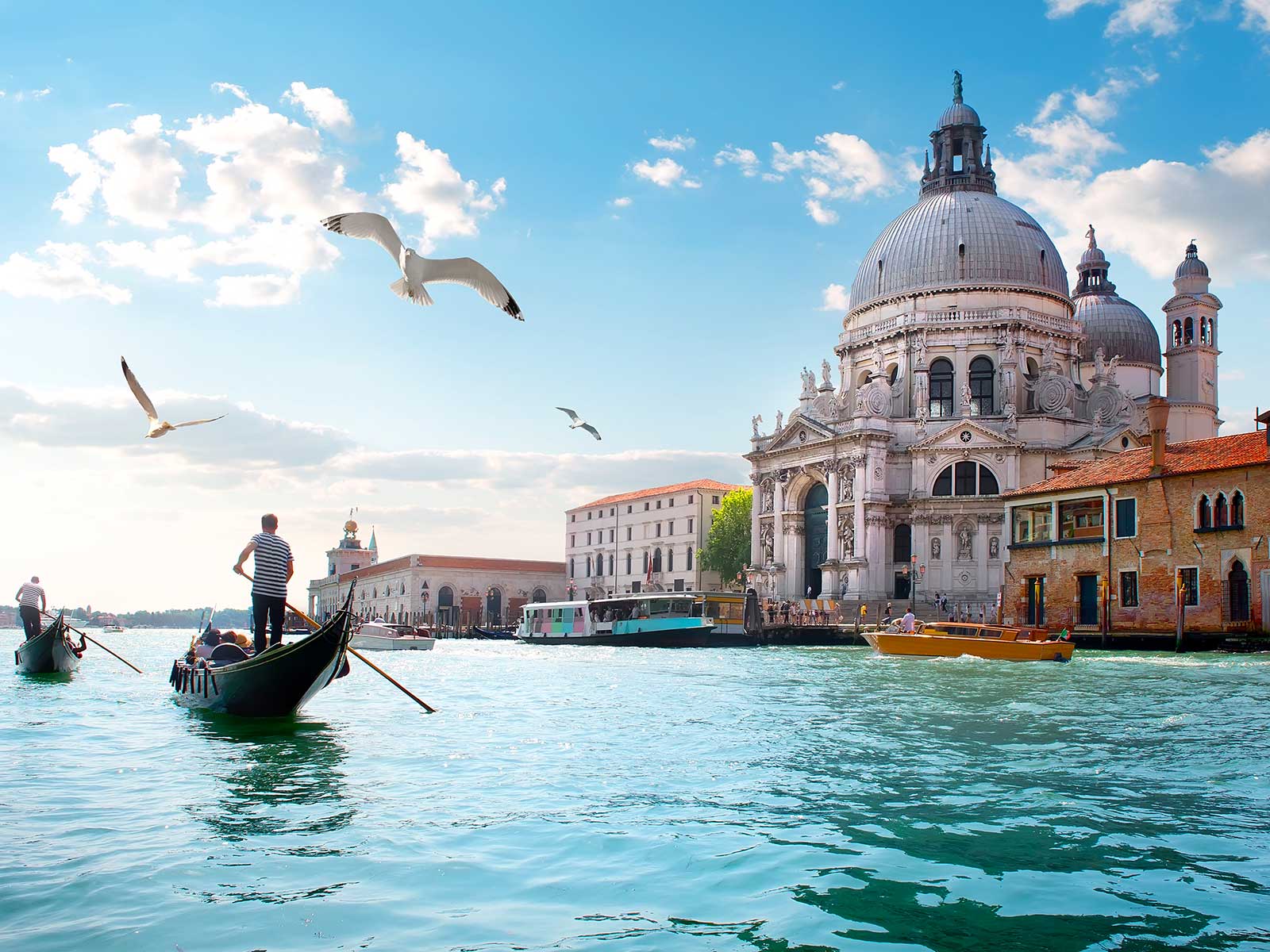
In Venice, the primary form of public transport is thevaporetto(water bus). These boats navigate the Grand Canal and connect various islands and sestieri, making stops near iconic locations such as Saint Mark's Basilica and the Ponte dell'Accademia. Single tickets are available, but multi-day passes often offer better value for visitors.
Taxis & Ride-Sharing
Official white taxis are readily available at designated stands or can be hailed by phone. They are metered, but it's always wise to confirm the approximate fare for longer journeys. While popular ride-sharing apps exist, their availability and legality can vary across different Italian cities, so always check local regulations.
Unique City Transport: Gondolas in Venice
For a truly iconic Venetian experience, consider a gondola ride. While more of a scenic tour than a practical mode of transport, gliding through the canals under bridges like the Bridge of Sighs offers an unforgettable perspective of the city.
Exploring Between Cities: Intercity Travel
To traverse Italy's diverse regions, you have several excellent options, each offering different levels of flexibility and speed.
Trains: Italy's Backbone
Italy boasts an extensive and highly efficient rail network, making trains arguably the best way to travel between major cities and many smaller towns. Two main types of services operate:
- High-Speed Trains (Frecce):Operated by Trenitalia (Frecciarossa, Frecciargento, Frecciabianca) and Italo, these sleek trains connect major hubs like Rome, Florence, Milan, and Naples rapidly and comfortably. They are ideal for covering long distances quickly, allowing you to zip from city to city in a matter of hours.
- Regional Trains (Regionale):Slower and more economical, regional trains serve smaller towns and offer a more scenic way to explore local areas. They are perfect for day trips to places like Pisa from Florence, or for exploring the picturesque villages of Cinque Terre.
Booking high-speed tickets in advance often secures better fares. Remember to validate regional train tickets before boarding at the machines on the platform to avoid fines.
Buses: Economical & Extensive
While trains are king for intercity travel, buses fill important gaps, especially in rural areas or regions not well-served by rail. National bus companies and numerous regional operators provide extensive networks. Buses can be a more economical option for certain routes and often offer direct service to smaller towns or mountain resorts. For example, reaching places like Siena or Saturnia might be more direct by bus from certain starting points than by train.
Driving: Freedom of the Open Road
Renting a car offers unparalleled freedom, especially if you plan to explore rural areas, hilltop towns, or scenic routes in regions like Tuscany or Umbria. Imagine cruising through the rolling hills, stopping at charming villages like Montemerano, or discovering hidden vineyards.
However, be aware of a few key considerations:
- ZTLs (Limited Traffic Zones):Most historic city centers have ZTLs, which restrict access to non-resident vehicles. Fines are steep and often sent months later. Park outside these zones.
- Tolls:Italy's autostrade (motorways) are toll roads. Keep cash or a credit card handy.
- Parking:Can be challenging and expensive in cities.
- International Driving Permit:Required for non-EU citizens.
Flying: For Long Distances
For journeys between far-flung regions, such as from Milan to Sicily or Rome to Sardinia, domestic flights can save considerable time. Italy has numerous airports, and budget airlines offer competitive fares. However, factor in travel time to and from airports, which can sometimes negate the speed advantage for shorter distances.
Special Considerations for Travelers
A few extra tips can help streamline your transportation choices in Italy:
- Accessibility:Italy is making strides in accessibility, but older cities and public transport systems can still present challenges. Research specific routes and accommodations if mobility is a concern.
- Luggage:Heavy luggage can be cumbersome on crowded public transport or when navigating cobblestone streets. Pack light where possible.
- Ticket Purchase & Validation:Always validate your bus or regional train ticket before boarding, or risk a fine. For high-speed trains, your reservation is usually sufficient.
- Seasonal Travel:During peak season (summer), transport, especially trains and buses to popular destinations like the Cinque Terre, can be very crowded. Book in advance.
Italy's transportation network is as diverse as its landscape. Whether you prefer the speed of a high-speed train, the freedom of a rental car, or the charm of a Venetian vaporetto, there’s an option to suit every traveler and every itinerary. Plan wisely, embrace the journey, and prepare for an unforgettable Italian adventure.