
Getting Around Italy: Trains, Buses & Regional Transportation
Navigating Italy is an integral part of experiencing its rich history, stunning landscapes, and vibrant culture. Whether you're traversing ancient cities or exploring picturesque countryside, Italy's comprehensive public transportation network offers a convenient and often scenic way to travel.
From high-speed rail linking major metropolises to local buses winding through charming villages, understanding the options available will empower you to craft the perfect Italian adventure. This guide will walk you through the essentials of getting around Italy, ensuring a smooth and enjoyable journey.
The Italian Rail Network: Your Primary Travel Partner
Italy's rail system is extensive, efficient, and often the most recommended method for intercity travel. It connects nearly every corner of the country, offering a reliable way to get from bustling urban centers to smaller, more secluded towns.
High-Speed Trains (Frecce)
For quick journeys between Italy's major cities, high-speed trains are unmatched. Operated primarily by Trenitalia (Frecciarossa, Frecciargento, Frecciabianca) and Italo, these modern trains connect destinations like Milan, Florence, Rome, and Naples in just a few hours. They offer comfortable seating, onboard amenities, and a swift alternative to driving or flying domestically. Booking these in advance is highly recommended, especially during peak travel seasons, to secure preferred times and potentially better fares.
Intercity and Regional Trains
Beyond the high-speed lines, Italy boasts a vast network of Intercity and regional trains. Intercity trains connect medium-sized cities and offer a good balance of speed and affordability. Regional trains, on the other hand, are the workhorses of local travel, making frequent stops and connecting smaller towns and villages. These are perfect for exploring specific regions, such as the rolling hills of Tuscany, or hopping between the colorful villages of Cinque Terre. While slower, they offer a more authentic glimpse into Italian life and are generally very budget-friendly.
Traveler's Tip:Always remember to validate your regional train ticket before boarding! Look for the green or yellow validation machines (obliteratrici) on the platform. Failure to validate can result in a fine, even if you have a valid ticket.
Planning and Booking Train Travel
Booking train tickets in Italy is straightforward. You can purchase them online directly from Trenitalia or Italo's official websites, through third-party booking platforms, or at train stations using ticket machines or manned counters. For high-speed and Intercity trains, reserving seats is often mandatory and always advisable. For regional trains, seat reservations are typically not required, and tickets are valid for a specific period on a chosen route.
Navigating Italy by Bus: Flexibility and Reach
While trains cover the main arteries, buses provide unparalleled flexibility, reaching destinations that trains cannot. They are crucial for exploring remote villages, coastal towns, and mountainous areas.
Urban Buses
In most Italian cities, buses are the backbone of public transport. They connect neighborhoods, reach historical sites, and often provide routes to airports or major train stations. Tickets for urban buses are usually purchased in advance from tabaccherie (tobacco shops), newsstands (edicole), or sometimes from vending machines at bus stops. Remember to validate your ticket once you board the bus using the onboard machine. Cities like Siena rely heavily on their bus network to navigate its hilly terrain.
Intercity and Regional Buses
For travel between towns within a specific region, intercity and regional buses are invaluable. These services are often operated by different companies depending on the region (e.g., SITA Sud in the south, Tiemme in Tuscany). They can be a more direct or convenient option than trains for certain routes, especially when visiting smaller towns like Saturnia or Montemerano in the Maremma region of Tuscany. Fares are typically affordable, and schedules can be found online or at local bus stations.
Long-Distance Coaches
For budget-conscious travelers or those embarking on very long journeys, long-distance coach services offer an alternative to trains. Companies like FlixBus connect major Italian cities and sometimes even cross international borders. While generally slower than high-speed trains, they can be significantly cheaper and offer comfortable travel with amenities like Wi-Fi and power outlets.
Regional and Niche Transportation
Beyond the standard trains and buses, Italy offers unique modes of transport tailored to specific environments, adding to the charm of your travels.
Vaporetti and Water Taxis in Venice
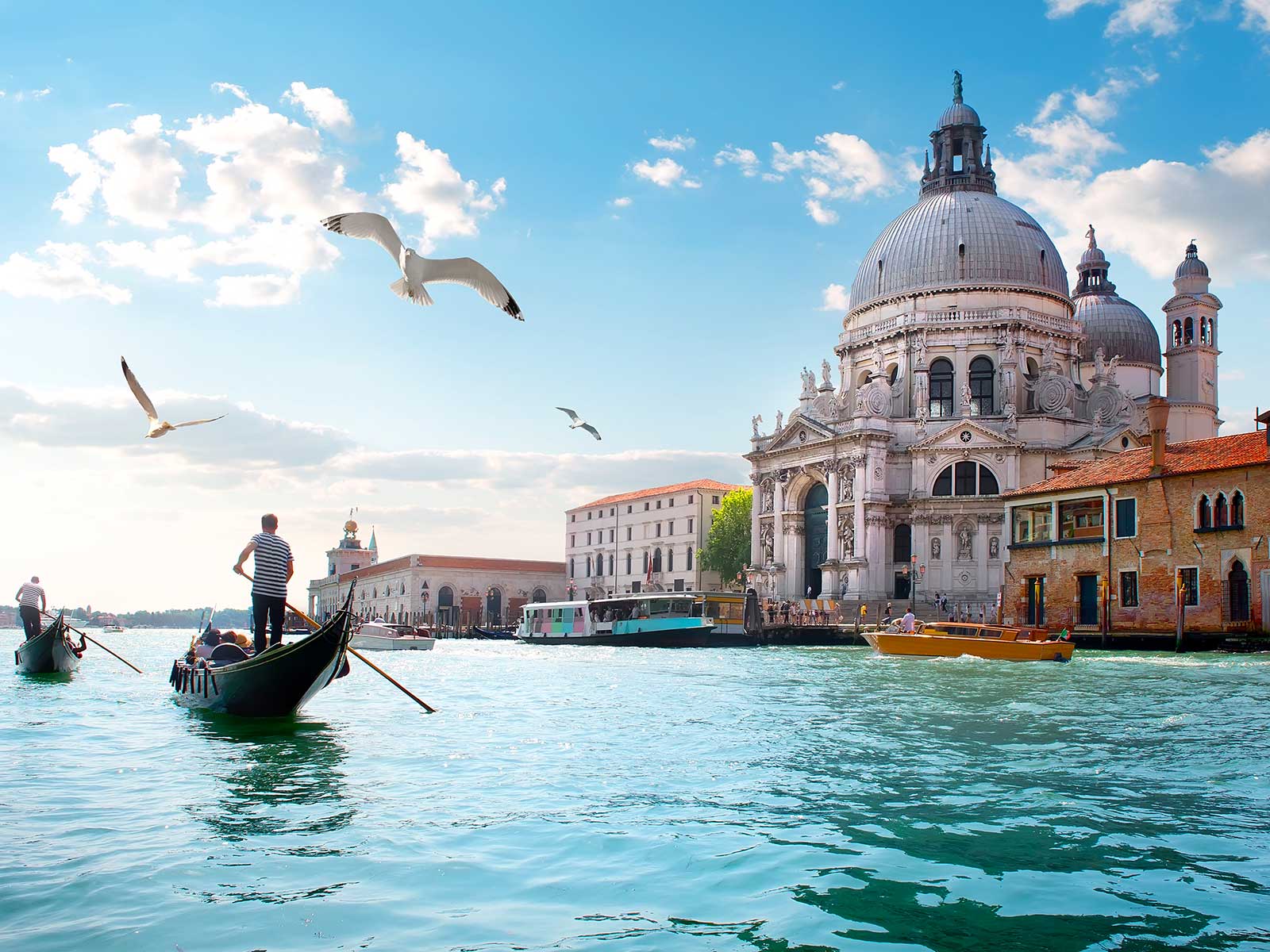
In the enchanting city of Venice, the canals are the streets, and water transportation is paramount. The primary form of public transport is thevaporetto, a public water bus operated by ACTV. These boats navigate the Grand Canal and connect various points of interest, from the Rialto Bridge to Piazza San Marco, as well as outlying islands like Burano. For a more private and often faster (but more expensive) experience, water taxis are available. Exploring Venice by vaporetto allows you to effortlessly reach landmarks such as the Doge's Palace, cross the Bridge of Sighs, wander through Dorsoduro, or admire the Basilica di Santa Maria della Salute.
Ferries and Boats
Italy's extensive coastline and numerous islands mean ferries and boats play a vital role in transportation. Services connect the mainland to major islands like Sicily and Sardinia, as well as popular smaller islands such as Capri, Elba, and the Aeolian Islands. Lake regions like Lake Como and Lake Garda also have extensive ferry networks, offering a picturesque way to hop between lakeside towns.
Trams and Metro Systems
Several major Italian cities, including Rome, Milan, Naples, and Turin, boast efficient metro (subway) systems, ideal for quickly covering long distances within the urban sprawl. Trams provide another layer of urban transport, often connecting areas not served by the metro and offering a charming, above-ground travel experience.
Practical Tips for Getting Around Italy
- Validate Tickets:For regional trains and urban buses/trams, validation is crucial. Look for the machines at platforms or inside vehicles.
- Download Apps:Official apps for Trenitalia, Italo, and local transit companies (e.g., ACTV for Venice, ATAC for Rome) provide real-time schedules, ticket purchasing, and journey planning.
- Be Aware of Strikes (Scioperi):Public transport strikes, though not frequent, can occur. Check local news or transport company websites for announcements, especially if traveling during major holidays.
- Luggage:On trains and buses, be mindful of your luggage. While high-speed trains have designated areas, regional services might have less space.
- Learn Basic Phrases:Knowing a few Italian phrases like "biglietto" (ticket), "stazione" (station), "partenza" (departure), and "arrivo" (arrival) can be very helpful.
- Consider Regional Passes:If you plan extensive travel within a specific region, inquire about regional transport passes that might offer better value than individual tickets.
Italy's diverse transportation network makes exploring this beautiful country accessible and enjoyable. By familiarizing yourself with the options, you can travel with confidence, uncovering hidden gems and iconic landmarks alike, from the bustling streets of Rome to the serene canals of Venice.