
Carnevale in Venice: A Guide to the Masks, Parades & Festivities
Step into a world where history and fantasy intertwine, where ornate masks conceal identities, and the canals of Venice shimmer with an unparalleled vibrancy. Carnevale in Venice is more than just a festival; it's an immersive journey into a bygone era of elegance, mystery, and unbridled celebration.
Each year, for several weeks leading up to Ash Wednesday, the Floating City transforms into a grand stage for one of the world's most iconic and enchanting events. From elaborate masked balls to public spectacles in Piazza San Marco, Carnevale offers a unique glimpse into Venetian culture and an unforgettable travel experience.
The Origins of Venetian Carnevale
The roots of Carnevale in Venice stretch back centuries, with the first recorded celebrations dating to the 11th century. Historically, it was a period of indulgence before the solemn fasting of Lent, offering a rare opportunity for all social classes to mingle anonymously behind masks. This anonymity allowed Venetians to shed their societal roles, creating a sense of freedom and playful transgression that became central to the festival's allure.
Fun Fact:The word "Carnevale" is thought to derive from the Latin "carnem levare," meaning "to remove meat," referring to the abstinence from meat during Lent.
When to Experience the Magic
Carnevale dates shift annually as they are tied to the liturgical calendar, typically beginning about two weeks before Ash Wednesday and concluding on Shrove Tuesday (Mardi Gras). The most intense and visually stunning events usually occur during the final week, often referred to as "Fat Week" (Settimana Grassa), culminating on the Tuesday before Lent.
Planning your visit requires checking the specific dates for the year you intend to travel. While the final week is the busiest and most spectacular, the earlier days offer a slightly less crowded experience with many festivities already underway.
The Heart of the Festivities: Piazza San Marco
The iconic Piazza San Marco serves as the grand stage for many of Carnevale's most significant public events. Flanked by the majestic Saint Mark's Basilica, the imposing Doge's Palace, and the soaring St Mark's Campanile, the square becomes a vibrant canvas for costumed revelers and dazzling performances.
The Flight of the Angel (Volo dell'Angelo)
One of the most anticipated events is the Flight of the Angel, typically held on the first Sunday of Carnevale. A chosen Venetian descends on a wire from the St Mark's Campanile to the center of Piazza San Marco, showering confetti upon the crowds below. It's a breathtaking spectacle that officially inaugurates the core festivities.
Masked Parades and Costume Contests
Throughout Carnevale, the streets and squares of Venice come alive with impromptu parades of elaborately costumed individuals. The official Costume Contest, held daily in Piazza San Marco, culminates in the election of "La Maschera più Bella" (The Most Beautiful Mask) on the final Sunday. Spectators can admire the intricate designs, luxurious fabrics, and incredible creativity on display.
The Iconic Masks of Carnevale
No element is more synonymous with Venetian Carnevale than its masks. Far from simple disguises, these masks are works of art, steeped in history and symbolism. Here are some of the most recognizable:
- Bauta:A classic white mask covering the entire face, often with a prominent nose and a square jawline, allowing the wearer to eat and drink without removing it. It was traditionally worn with a black cloak (tabarro) and a tricorn hat.
- Colombina:A half-mask, often richly decorated with gold, silver, crystals, and feathers, covering only the eyes, nose, and upper cheeks. It's held in place by a ribbon or a small stick.
- Medico della Peste (Plague Doctor):A grotesque mask with a long, bird-like beak, originally worn by doctors during the plague. Today, it's a popular, albeit eerie, costume choice.
- Volto (Larva):A simple, full-face white mask, often worn with a tricorn hat and cloak. Its minimalist design makes it versatile for various characters.
- Moretta:An oval-shaped, dark velvet mask, typically worn by women. It was held in place by a button clenched between the teeth, making the wearer silently mysterious.
You'll find countless shops throughout Venice selling masks, from simple souvenir versions to exquisite handmade pieces. Consider visiting an artisan workshop to see the intricate process firsthand.
Costumes and Attire: Embracing the Spirit
While a full historical costume is not mandatory, dressing up, even with a simple mask, significantly enhances the Carnevale experience. Many visitors opt for elegant period costumes, often renting them for a day or evening. These elaborate outfits, complete with wigs, cloaks, and accessories, truly transport you back to the 18th century.
If a full costume isn't your style, a beautiful mask paired with smart attire will still allow you to partake in the festive atmosphere. Even just observing the masked revelers is a spectacle in itself.
Beyond the Main Events: Exploring the City
While Piazza San Marco is the epicentre, the entire city buzzes with activity. Wander through the labyrinthine calli (narrow streets) and campi (small squares) to discover street performers, musicians, and pop-up events. Engage with costumed characters for memorable photo opportunities.
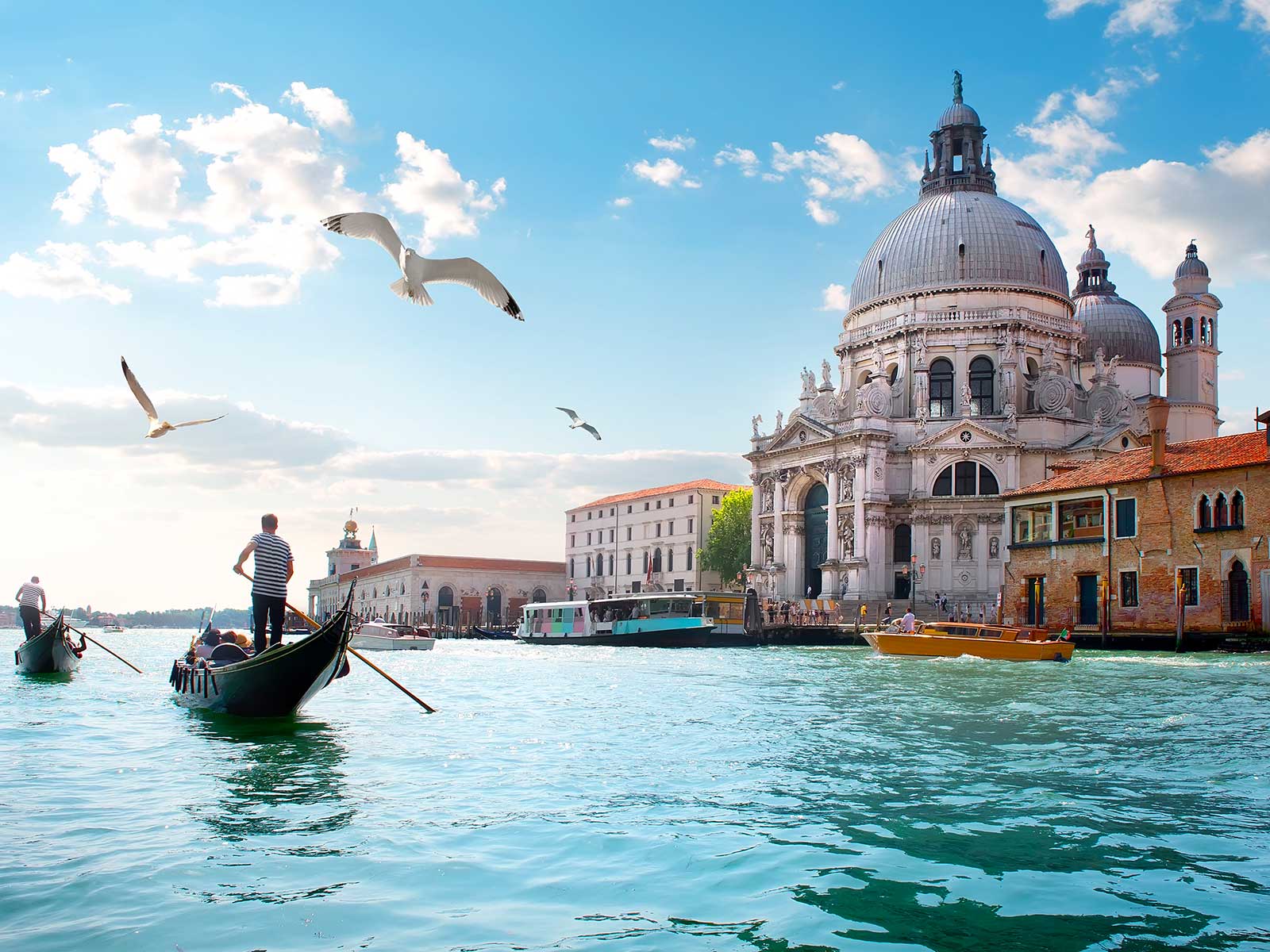
Take time to explore other iconic Venice landmarks. Stroll across the Rialto Bridge for panoramic views, or admire the intricate architecture of the Doge's Palace and the poetic Bridge of Sighs. Escape the main crowds by exploring the charming sestiere of Dorsoduro, home to the Basilica di Santa Maria della Salute and picturesque canals.
Consider a day trip to the colorful island of Burano, known for its vibrant houses and lacemaking tradition, offering a charming contrast to the Carnevale bustle.
Private Balls and Gala Events
For those seeking an exclusive experience, numerous private masked balls are held in historic Venetian palaces throughout Carnevale. These opulent events often require specific period costumes and offer gourmet dining, live music, and dancing in a truly enchanting setting. Research and book well in advance if you wish to attend one of these prestigious gatherings.
Food and Drink
Carnevale is also a time for culinary indulgence. Sample traditional Venetian sweets likefrittelle(fried dough balls, often filled with cream or zabaglione) andgalani(crispy fried pastry ribbons dusted with powdered sugar). Enjoy regional cuisine at a localbacaro(traditional Venetian bar) or a fine-dining restaurant, many of which offer special Carnevale menus.
Practical Tips for a Memorable Carnevale Experience
- Book Early:Venice during Carnevale is incredibly popular. Secure your accommodation, flights, and any desired private event tickets several months in advance.
- Expect Crowds:The city will be packed, especially in and around Piazza San Marco. Be prepared for slow-moving foot traffic and plan extra time to get between locations.
- Dress Warmly:February and March in Venice can be chilly and damp. Layer your clothing, wear comfortable waterproof shoes, and bring an umbrella.
- Get Lost:While the main events are captivating, some of the best Carnevale memories are made by simply wandering off the beaten path, discovering charming canals and quiet squares away from the main hustle.
- Embrace the Spirit:Even a simple mask can transform your experience. Don't be shy about interacting with costumed revelers; many are happy to pose for photos.
A Festival Like No Other
Carnevale in Venice is an extraordinary spectacle that transcends a mere festival. It's a living piece of history, a celebration of artistry, and an invitation to step into a world of enchanting mystery. Whether you're marveling at the intricate costumes in Piazza San Marco, exploring hidden alleys, or simply soaking in the unique atmosphere, Carnevale offers an unforgettable Venetian adventure.