
Best Time to Visit Italy: Month-by-Month Weather & Crowd Guide
Italy, a land of ancient history, stunning art, delicious cuisine, and breathtaking landscapes, beckons travelers year-round. However, the timing of your visit can profoundly impact your experience, from the weather you encounter to the crowds you navigate. This comprehensive guide will help you pinpoint the ideal time for your unforgettable Italian journey.
From the snowy peaks of the Dolomites to the sun-drenched beaches of Sicily, Italy's diverse geography means weather patterns can vary significantly across regions. Understanding these nuances, alongside seasonal crowd fluctuations, is key to planning a trip that perfectly matches your preferences and priorities.
Understanding Italy's Climate & Seasons
Italy experiences a largely Mediterranean climate, characterized by hot, dry summers and mild, wet winters, especially in the central and southern regions. The north, particularly near the Alps, sees colder winters with snow and milder summers. Coastal areas generally enjoy more temperate conditions than inland regions.
Spring (March – May)
Spring is often hailed as one of the best times to visit Italy. The weather is generally pleasant, with blooming flowers and vibrant greenery. Temperatures gradually rise, making it comfortable for sightseeing and outdoor activities. Crowds are moderate, increasing towards May, especially around Easter and public holidays. It's an excellent time for exploring rolling hills of Tuscany or hiking the scenic trails of Cinque Terre.
Summer (June – August)
Summer in Italy means long, sunny days and high temperatures, particularly in July and August. This is peak tourist season, attracting the largest crowds, especially to popular cities like Venice and coastal resorts. While perfect for beach holidays and enjoying the vibrant summer atmosphere, be prepared for heat, higher prices, and longer queues at major attractions. Many Italians also take their holidays in August, particularly around Ferragosto (August 15th), leading to some closures in major cities as locals head to the coast.
Autumn (September – November)
Autumn offers a delightful blend of pleasant weather and fewer crowds as the summer rush subsides. September is still warm and sunny, gradually cooling down through October and November. The landscape transforms with beautiful autumnal colors, especially in wine regions like Tuscany. It's an ideal time for food and wine festivals, truffle hunting, and exploring historic towns like Siena, or even enjoying the thermal baths of Saturnia.
Winter (December – February)
Winter sees cooler temperatures, especially in the north, with potential for snow in mountainous areas. Crowds are significantly thinner outside of the Christmas and New Year period, making it a great time for budget travelers and those seeking a more authentic, local experience. While some coastal towns might be quiet, major cities like Venice offer a unique, misty charm, perfect for visiting museums and enjoying the festive season.
Italy Month-by-Month: Weather, Crowds & Activities
January
Weather:Cold across most of the country. Northern Italy experiences freezing temperatures and snow in the Alps; central and southern regions are milder but chilly, with occasional rain. Average temperatures range from 0°C (32°F) in the north to 10°C (50°F) in the south.
Crowds:Very low, making it ideal for exploring cities without the usual tourist throng. Exceptions are ski resorts.
Activities:Skiing in the Dolomites, museum hopping in Venice, enjoying cozy trattorias, and experiencing local winter traditions.
February
Weather:Similar to January, with a slight warming trend towards the end of the month. Still cold and often damp.
Crowds:Low, except during Venice Carnival, which is a major draw. Prices for flights and accommodation can spike in Venice during this period.
Activities:Experiencing the vibrant Carnevale in Venice, exploring galleries, or enjoying quiet city breaks.
March
Weather:Spring begins, bringing milder temperatures and more sunshine. Still can be unpredictable with some rain. Average highs range from 10°C (50°F) to 15°C (59°F).
Crowds:Moderate, increasing significantly around Easter if it falls in March.
Activities:Excellent for walking tours in cities like Pisa, early season hikes in Cinque Terre, and witnessing the beautiful spring blooms in the countryside.
April
Weather:Generally lovely, with warm days and cool evenings. Rain showers are possible but usually brief. Average highs typically between 15°C (59°F) and 20°C (68°F).
Crowds:Moderate to high, especially during the Easter week and around Liberation Day (April 25th).
Activities:Ideal for outdoor sightseeing, visiting ancient ruins, enjoying al fresco dining, and exploring gardens in full bloom.
May
Weather:Consistently warm and sunny across most of Italy, often considered perfect. Average highs from 20°C (68°F) to 25°C (77°F).
Crowds:High. A very popular month, but not yet at peak summer levels.
Activities:Perfect for exploring the rolling hills and vineyards of Tuscany, experiencing the bustling atmosphere of Venice(visiting Piazza San Marco,Doge's Palace, and crossing the Rialto Bridge), and enjoying coastal walks before the summer heat.
June
Weather:Summer officially begins, bringing hot and sunny weather, particularly in the south. Average highs climb to 25°C (77°F) to 30°C (86°F).
Crowds:High. Schools are out, and summer holidays begin.
Activities:Beach holidays, swimming, exploring the coastal villages of Cinque Terre, and attending early summer music festivals.
July
Weather:The hottest month in Italy, with temperatures often exceeding 30°C (86°F), especially inland. Humidity can be high.
Crowds:Peak season. Cities like Venice can feel overwhelmingly crowded and hot.
Activities:Best for beach resorts, island hopping, and spending evenings outdoors. Early mornings and late evenings are best for city sightseeing.
August
Weather:Still very hot, particularly in the first half of the month. Average highs often above 30°C (86°F).
Crowds:Peak season for coastal areas as many Italians take their annual holidays around Ferragosto (August 15th). Major cities may feel less crowded with locals, but international tourists are still abundant.
Activities:Beach holidays are paramount. Discovering quieter corners of Venice like Dorsoduro, or taking a boat trip to Burano can offer some respite from the main tourist hubs.
Travel Tip:If visiting Italy in August, be aware that many shops, restaurants, and businesses, especially in major cities, may close for a week or two around Ferragosto as locals head to the coast or mountains. Plan accordingly!
September
Weather:One of the most pleasant months. Temperatures begin to cool, making it very comfortable for sightseeing, usually between 20°C (68°F) and 25°C (77°F). Sea temperatures are still warm for swimming.
Crowds:High, but generally less intense than July and August. Still very popular.
Activities:Excellent for active holidays, hiking in Cinque Terre, exploring Tuscany during the grape harvest, and enjoying cultural events.
October
Weather:Crisp autumn air, comfortable temperatures between 15°C (59°F) and 20°C (68°F). Fall foliage is beautiful, especially in the north. Increased chance of rain.
Crowds:Moderate. A popular time for those who prefer cooler weather and fewer crowds.
Activities:Wine tasting, truffle hunting, exploring historic towns like Siena or the medieval village of Montemerano, and attending food festivals.
November
Weather:Cooler and often rainy, especially in the north and central regions. Temperatures drop to 10°C (50°F) to 15°C (59°F). Fog can be common in Venice.
Crowds:Low. One of the quietest months for tourism.
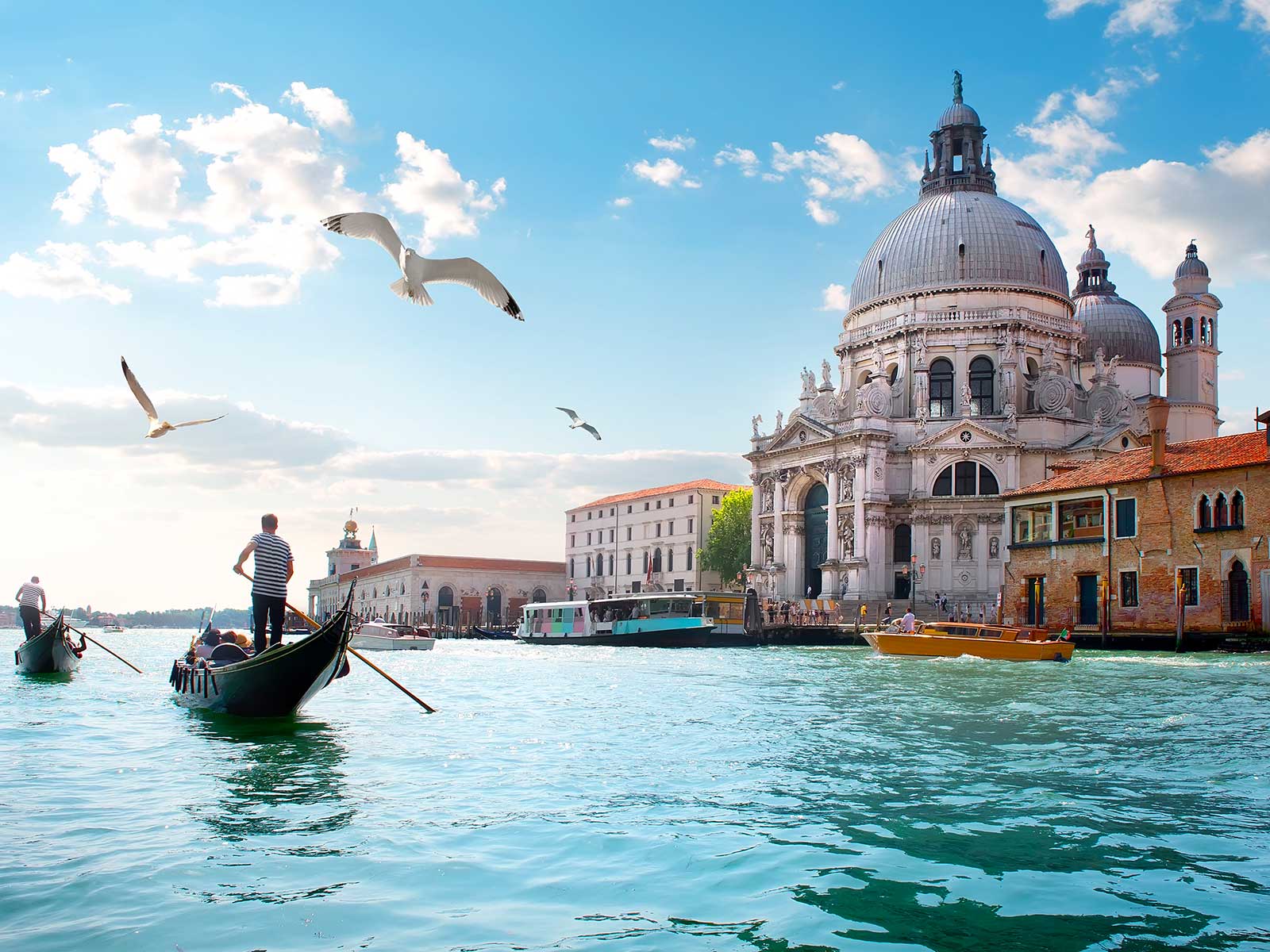
Activities:Ideal for budget travelers and those interested in museums and indoor attractions. Enjoying hearty Italian cuisine, exploring local markets, and experiencing a quieter Venice, perhaps visiting St Mark's Campanile or the Basilica di Santa Maria della Salute.
December
Weather:Cold across the country, with snow in the mountains and chilly, damp conditions in cities. Festive decorations provide warmth. Average temperatures similar to January.
Crowds:Moderate, increasing significantly around Christmas and New Year's Eve.
Activities:Christmas markets, festive celebrations, skiing, enjoying holiday lights in Piazza San Marco in Venice, and experiencing a magical atmosphere.
Finding Your Perfect Italian Adventure
Ultimately, the "best" time to visit Italy depends on your priorities. Do you dream of sun-kissed beaches, immersive cultural experiences, thrilling hikes, or cozy winter escapes? Consider these points:
- For the Best Weather & Moderate Crowds:May, early June, and September are generally ideal.
- For Budget Travelers & Quiet Exploration:November, January, and February offer lower prices and fewer tourists, especially outside of holiday periods.
- For Beach Lovers & Summer Fun:July and August provide peak heat and vibrant coastal life, but be prepared for crowds and higher costs.
- For Outdoor Activities & Scenery:Spring (April-May) and Autumn (September-October) are perfect for hiking, cycling, and exploring the countryside.
- For Winter Sports & Festive Cheer:December to February is ideal for skiing in the Alps and enjoying Christmas markets in cities.
No matter when you choose to visit, Italy's timeless charm and diverse offerings promise an unforgettable journey. Plan wisely, pack appropriately, and prepare to fall in love with La Dolce Vita.