
The Rich History of Jerusalem's Old City: A Visitor's Guide
Step through ancient gates into Jerusalem's Old City, a UNESCO World Heritage site where millennia of history unfold at every turn. This article offers an essential guide to exploring this sacred space, a vibrant crossroads of faiths and cultures that promises an unforgettable journey through time.
A Crossroads of Civilizations and Faiths
Enclosed within impressive walls, Jerusalem's Old City is a mosaic of human history, spirituality, and vibrant daily life. For thousands of years, it has been a focal point for Jews, Christians, and Muslims, each leaving an indelible mark on its stones and soul. This compact area, roughly one square kilometer, contains some of the holiest sites on Earth, attracting pilgrims and tourists from across the globe.
The Four Quarters: A Tapestry of Beliefs
The Old City is traditionally divided into four distinct quarters, each with its unique character, history, and sacred sites. Navigating these quarters offers a profound insight into the diverse communities that call Jerusalem home.
The Jewish Quarter
Rebuilt extensively after 1967, the Jewish Quarter stands as a testament to resilience and continuity. Its narrow alleys open into sun-drenched plazas, offering a blend of ancient ruins and modern living.
- The Western Wall (Kotel):The most sacred site in Judaism, a remnant of the Second Temple complex. Visitors can approach the wall for prayer and reflection.
- The Cardo:An excavated Byzantine-era main street, now a modern shopping arcade built atop ancient ruins. Look for the visible Roman columns.
- Hurva Synagogue:A magnificent synagogue with a rich history, rebuilt and rededicated multiple times. Its dome offers panoramic views of the Old City.
- Wohl Archaeological Museum:Reveals the opulent homes of priests from the Second Temple period.
Visitor Tip:While in the Jewish Quarter, don't miss the opportunity to explore the various archaeological sites that showcase layers of Jerusalem's past, from the First Temple to the Byzantine era. You can also easily access Mount Zion from here, home to King David's Tomb and the Room of the Last Supper.
The Christian Quarter
Dominated by the awe-inspiring Church of the Holy Sepulchre, the Christian Quarter is a bustling hub of churches, monasteries, hospices, and souvenir shops catering to pilgrims.
- Church of the Holy Sepulchre:Revered by many Christians as the site of Jesus' crucifixion, burial, and resurrection. This vast complex houses numerous chapels and shrines.
- Via Dolorosa:The "Way of Sorrows," believed to be the path Jesus walked to his crucifixion. Marked by 14 Stations of the Cross, pilgrims often retrace this route.
- Muristan Market:A historic area now filled with shops and eateries, offering a glimpse into local commerce.
The Muslim Quarter
The largest and most vibrant of the quarters, the Muslim Quarter is characterized by its bustling souks (markets), aromatic spices, and historic Mamluk architecture. It leads directly to the Temple Mount/Haram al-Sharif.
- Souks:A labyrinth of narrow streets filled with vendors selling everything from spices and textiles to jewelry and ceramics. It's a sensory experience not to be missed.
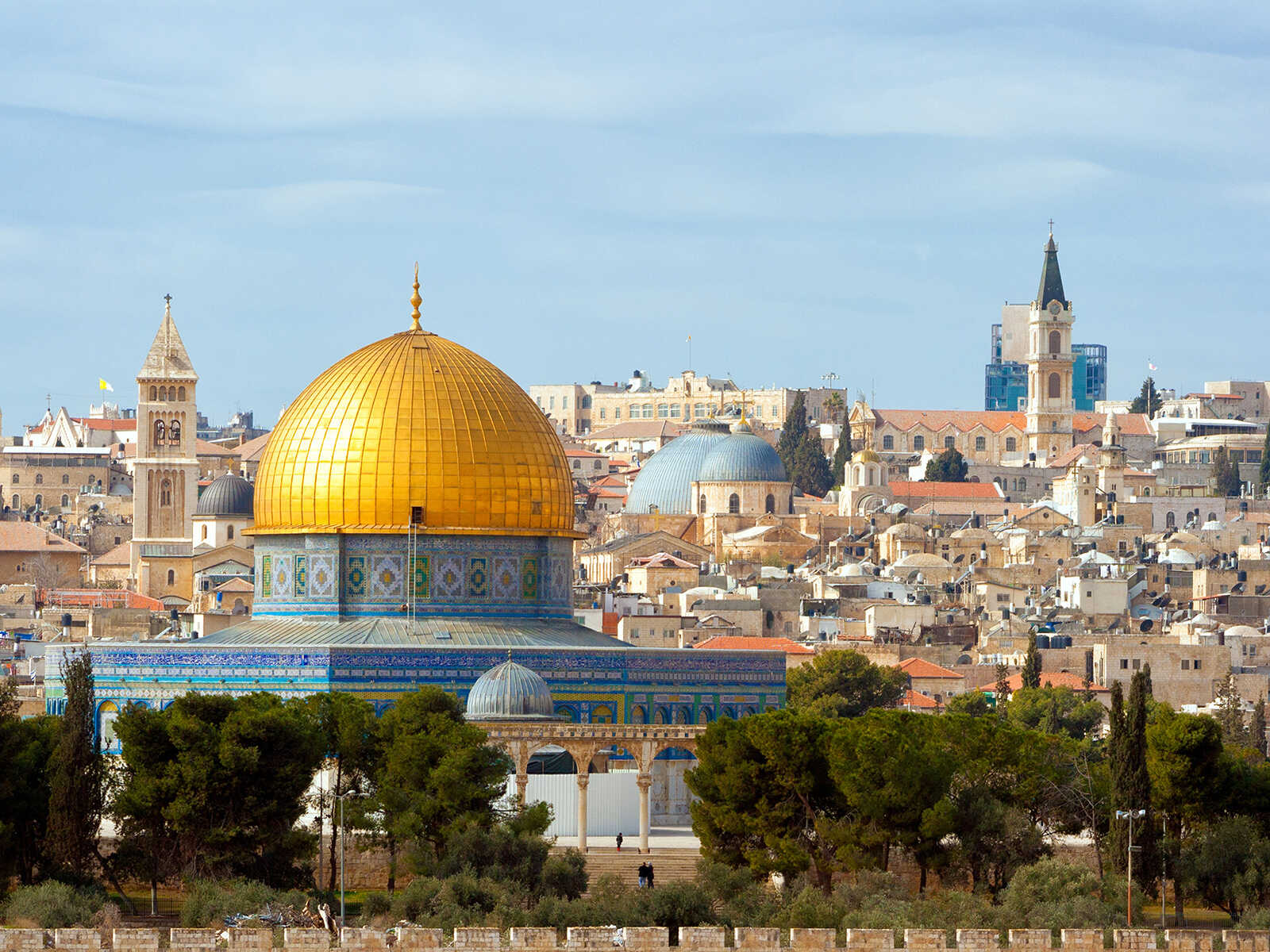
- Dome of the Rock & Al-Aqsa Mosque:These magnificent structures on the Temple Mount/Haram al-Sharif are central to Islam. While direct access to the interior of these mosques is generally restricted to Muslims, their stunning exteriors can be admired from various vantage points within the Old City.
The Armenian Quarter
The smallest and most tranquil of the quarters, home to the Armenian community, one of the oldest Christian communities in the world. It offers a peaceful contrast to the lively markets.
- St. James Cathedral:A stunning, richly decorated cathedral that is the spiritual heart of the Armenian Quarter. Its interior is a sanctuary of art and history.
- Armenian Museum:Showcases the history and culture of the Armenian people in Jerusalem.
Iconic Landmarks and Sacred Sites
Beyond the distinct quarters, several sites hold universal significance and are essential for any visitor.
- The Western Wall Tunnels:An underground excavation that reveals the full length of the Western Wall, exposing fascinating archaeological layers from various periods.
- City of David:Just outside the Old City walls, this archaeological park is believed to be the original site of ancient Jerusalem, offering insights into its biblical past, including Hezekiah's Tunnel.
- Jerusalem Archaeological Park (Davidson Center):Located just south of the Temple Mount, this park reveals extensive archaeological findings from the Second Temple period, including the ancient steps leading up to the Temple.
Navigating Your Visit to the Old City
To make the most of your visit, consider these practical tips:
Getting Around
The Old City is best explored on foot. Wear comfortable walking shoes as you'll be navigating uneven cobblestone streets, steps, and crowded pathways. Maps are helpful, but don't be afraid to get a little lost – discovery is part of the charm.
Best Time to Visit
Spring (April-May) and Autumn (September-October) offer pleasant weather for exploring. Weekdays are generally less crowded than weekends, though major religious holidays will attract significant numbers of pilgrims. Consider an early morning visit to key sites to experience them in relative tranquility.
What to Wear
When visiting religious sites, modest attire is essential for both men and women. This typically means covering shoulders and knees. Some sites may offer wraps or coverings at the entrance.
Culinary Delights and Souvenirs
The Old City's markets are a feast for the senses. Sample local delights like falafel, shawarma, kanafeh, and freshly squeezed pomegranate juice. The souks offer a wide array of souvenirs, from religious artifacts and ceramics to spices and textiles. Haggling is often expected in the markets.
Beyond the Walls of the Old City
While the Old City offers a lifetime of exploration, Jerusalem and its surroundings boast many other significant sites. Consider extending your trip to include a visit to the solemn grounds of Yad Vashem, the extensive collections of The Israel Museum, or a day trip to the ancient fortress of Masada National Park and the unique geological wonders of the Dead Sea. You might also consider a day trip to Bethlehem, a city of immense spiritual significance just a short drive away.
Plan Your Journey Through History
Jerusalem's Old City is more than just a collection of historical sites; it's a living, breathing testament to human faith, resilience, and cultural diversity. Allow yourself ample time to wander, reflect, and absorb the profound atmosphere of this extraordinary place. Whether you come for spiritual pilgrimage or historical exploration, the Old City promises an enriching and deeply moving experience.