
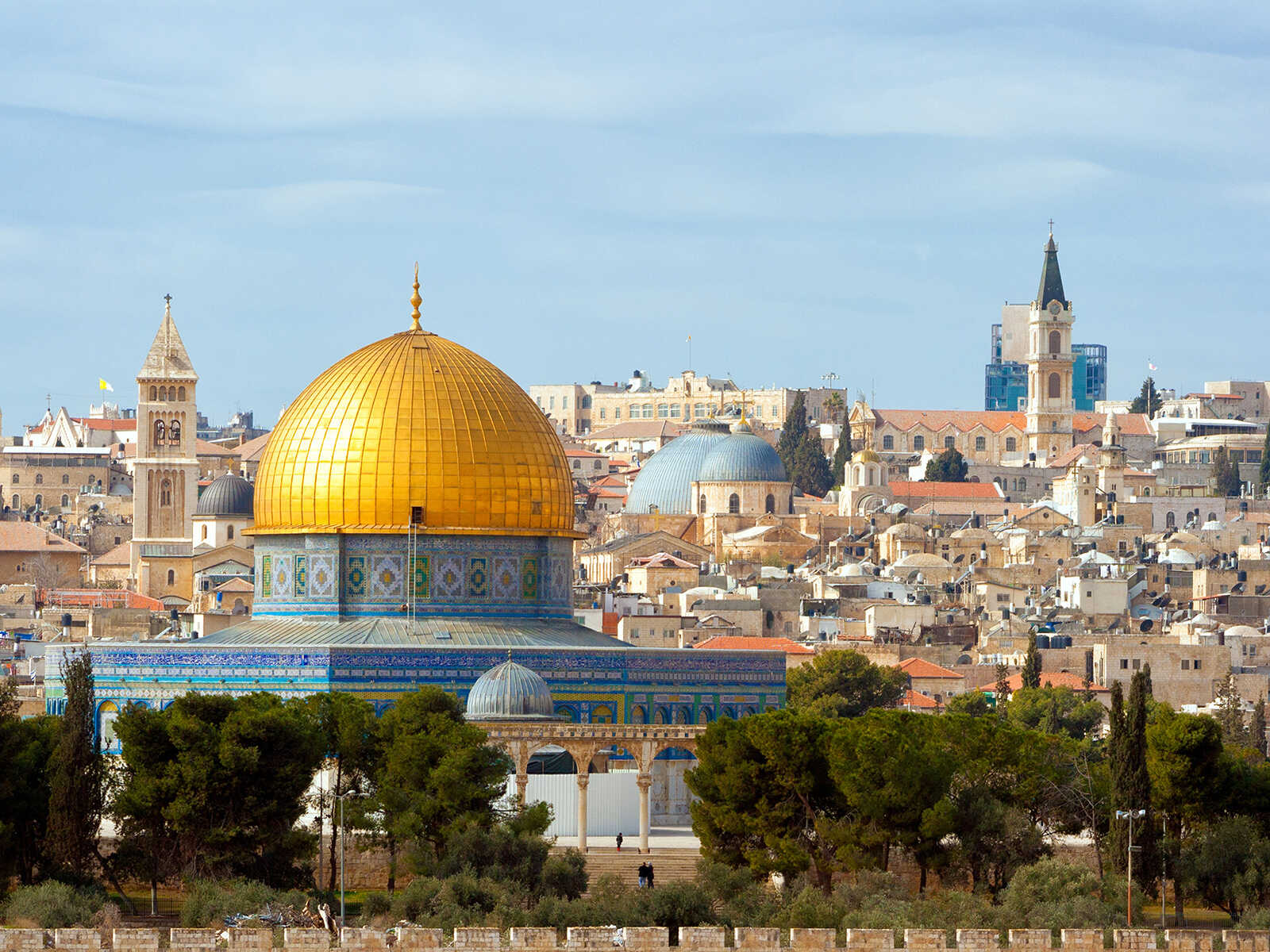
The Israel Museum: Art, Archaeology & the Dead Sea Scrolls
Discover one of the world's leading art and archaeology museums, nestled in the heart of Jerusalem. The Israel Museum offers an unparalleled journey through millennia of human creativity and history, making it an essential stop for any visitor to Israel.
Spanning an impressive 20-acre campus, The Israel Museum is a sprawling cultural institution renowned for its vast and diverse collections. From ancient artifacts that tell the story of civilizations to masterpieces of modern art, the museum serves as a repository of human achievement and a vibrant center for education and exploration. It offers a comprehensive look into the rich tapestry of Israeli and global heritage, inviting visitors of all ages to engage with history, art, and culture.
A Global Cultural Beacon in Jerusalem
Established in 1965,The Israel Museum has grown to become the largest cultural institution in Israel and is consistently ranked among the world's leading museums. Its collections encompass nearly 500,000 objects, showcasing a breathtaking scope from prehistoric times to the present day. The museum is not merely a collection of artifacts; it's a dynamic educational hub, a place where history comes alive and where art inspires contemplation.
Unveiling Ancient Secrets: The Shrine of the Book and the Dead Sea Scrolls
Perhaps the most iconic and frequently visited section of The Israel Museum is the Shrine of the Book. Its distinctive white dome, resembling the lid of the jars in which the Dead Sea Scrolls were discovered, is a universally recognized symbol of the museum. This architectural marvel, designed by Frederick Kiesler and Armand Bartos, houses some of the most significant archaeological finds of the 20th century.
Inside, visitors can marvel at the Dead Sea Scrolls, ancient manuscripts dating back over 2,000 years, discovered between 1947 and 1956 in caves near Qumran on the northern shore of the Dead Sea. These remarkably preserved texts, primarily in Hebrew, Aramaic, and Greek, include the oldest known copies of biblical books, as well as non-biblical works that shed light on Jewish life and beliefs during the Second Temple period. The Shrine also displays fragments of the Aleppo Codex, one of the oldest and most complete manuscripts of the Hebrew Bible.
Fun Fact:The unique architecture of the Shrine of the Book, with its white dome and contrasting black wall, is designed to symbolize the "Sons of Light" and the "Sons of Darkness" mentioned in one of the Dead Sea Scrolls, known as "The War Scroll."
Journey Through Time: The Archaeology Wing
The Archaeology Wing offers an extraordinary journey through the land of Israel, from its earliest human settlements to the Ottoman period. This wing showcases thousands of artifacts that illustrate the rich and complex history of the region, revealing the stories of the many cultures and empires that have left their mark.
Highlights include prehistoric tools, Canaanite cult objects, Philistine pottery, Roman sarcophagi, Byzantine mosaics, and Islamic art. Visitors can trace the development of ancient technologies, art forms, and religious practices, with significant finds from famous archaeological sites across Israel, such as Caesarea National Park,Masada National Park, and excavations within the Old City of Jerusalem. The wing provides invaluable context for understanding the historical narratives that shaped this sacred land.
A Tapestry of Creativity: The Fine Arts Wing
The Fine Arts Wing at The Israel Museum is a testament to human creativity across continents and centuries. It features an impressive collection of European, American, Israeli, and modern art, alongside departments dedicated to photography, contemporary art, prints, and drawings.
From Old Master paintings to Impressionist and Post-Impressionist works, and from Cubist masterpieces to groundbreaking contemporary installations, the wing offers a comprehensive overview of artistic movements. Israeli art is particularly well-represented, providing insights into the nation's unique cultural identity and its dialogue with global artistic trends. The diverse range ensures there's something to captivate every art enthusiast.
Celebrating Heritage: The Jewish Art and Life Wing
Dedicated to preserving and presenting the rich cultural heritage of Jewish communities worldwide, the Jewish Art and Life Wing is a vibrant and moving section of the museum. It showcases an extensive collection of Jewish ceremonial art, traditional costumes, and artifacts that illuminate the daily lives and religious practices of Jewish communities from across the globe.
Visitors can explore reconstructed synagogues, beautifully crafted Torah scrolls, elaborate menorahs, and intricately embroidered textiles. The exhibits reflect the diversity of Jewish experience, from Yemen to Amsterdam, and offer a profound insight into the traditions, rituals, and artistic expressions that have sustained Jewish life for millennia.
Education and Engagement: The Youth Wing and Garden
The Ruth Youth Wing for Art Education is a pioneering institution dedicated to fostering creativity and appreciation for art among children and young adults. Through interactive exhibitions, workshops, and educational programs, it encourages a hands-on approach to learning about art and culture, making the museum experience engaging for younger visitors.
Outside, the Billy Rose Art Garden, designed by the renowned sculptor Isamu Noguchi, is an integral part of the museum experience. This beautifully landscaped sculpture garden features works by leading international artists, providing a serene outdoor space where art and nature converge. It's an ideal spot for reflection and offers stunning views of Jerusalem.
Step Back in Time: The Model of Second Temple Jerusalem
One of the museum's most striking outdoor exhibits is the Model of Second Temple Jerusalem. This meticulously detailed, 1:50 scale model reconstructs the topography and architectural character of Jerusalem as it was before its destruction by the Romans in 66 CE. Originally located at the Holyland Hotel, it now offers visitors a vivid historical context within the museum grounds.
The model provides an invaluable perspective on the city's layout during the time of Jesus, showing the grandeur of the Second Temple, the Antonia Fortress, and the residential areas. It helps visitors visualize ancient sites like the Temple Mount, the City of David, and Mt Zion, enhancing their understanding when they later explore the actual Old City.
Planning Your Visit to The Israel Museum
Location and Accessibility
The Israel Museum is conveniently located in the Givat Ram neighborhood of Jerusalem, adjacent to the Knesset (Israeli Parliament) and the Hebrew University. It is easily accessible by public transportation, with several bus lines stopping directly at or near the museum entrance. For those staying in central Jerusalem, it's also a pleasant walk from certain areas, offering scenic views along the way.
Best Time to Visit
To fully appreciate the vastness of the collections, we recommend allocating at least half a day, or even a full day, for your visit. Weekdays are generally less crowded than weekends. Check the museum's official website for current opening hours and any special exhibitions that might be running.
Essential Tips for Visitors
- Wear Comfortable Shoes:The museum campus is extensive, and you'll be doing a lot of walking.
- Stay Hydrated:Especially during warmer months, ensure you drink enough water. Cafes and water fountains are available on-site.
- Check Ahead:Always verify opening hours, holiday schedules, and specific exhibition details on the museum's website before your visit.
- Consider a Guide:Audio guides are available, and the museum often offers guided tours that can enhance your understanding of the collections.
- Pace Yourself:Don't try to see everything in one go. Focus on the sections that interest you most, or plan for multiple shorter visits if time allows.
Travel Tip:To avoid museum fatigue, consider prioritizing the sections you're most interested in, such as the Shrine of the Book and Archaeology Wing, and then explore others as time and energy permit.
Beyond the Museum Walls
The Israel Museum's location in Jerusalem makes it an excellent starting point for exploring other significant sites in the city. Nearby, you can visit Yad Vashem, the World Holocaust Remembrance Center, offering a profound and moving experience. The Knesset, Israel's parliament, is also within walking distance. And of course, no visit to Jerusalem is complete without exploring the historical and spiritual wonders of the Old City.
A visit to The Israel Museum is an enriching and unforgettable experience, offering a comprehensive window into the diverse layers of history, art, and culture that define Israel and the wider world. It's a journey through time and creativity that truly highlights the depth of human heritage.