
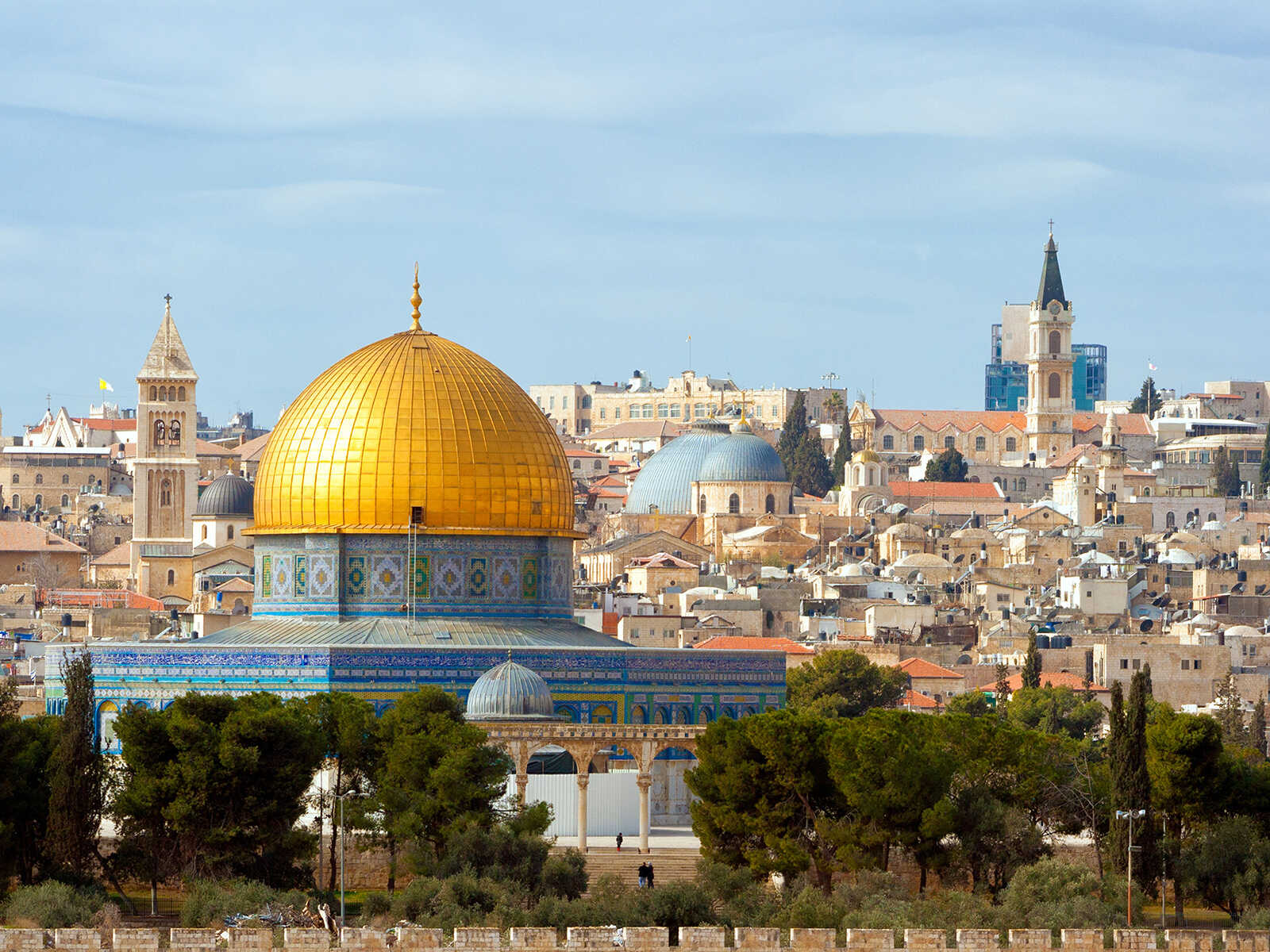
Mt. Zion in Jerusalem: Historical and Religious Significance
Perched just outside the ancient walls of Jerusalem's Old City, Mount Zion stands as a powerful testament to millennia of history and faith. This revered hill holds profound significance for Jews, Christians, and Muslims alike, drawing pilgrims and visitors from across the globe to explore its sacred sites and panoramic views. Discover the layers of heritage that make Mt. Zion an indispensable stop on any journey through the Holy Land.
Introduction to Mount Zion
Mount Zion, often simply referred to as Zion, is a hill located just southwest of the Old City of Jerusalem. While its precise boundaries have shifted throughout history, its spiritual importance has remained constant. It is one of Jerusalem's most evocative locations, intertwining biblical narrative with historical events that have shaped the world's major monotheistic religions.
A Hill Steeped in History
The name "Zion" itself carries immense weight, appearing hundreds of times in the Bible, often as a poetic synonym for Jerusalem itself or even the entire Land of Israel. Its history is a rich tapestry woven from ancient kingdoms, prophetic visions, and pivotal moments in religious tradition.
Biblical Roots and the City of David
The earliest significant historical connection of Mount Zion dates back to King David, who conquered the Jebusite city and established his capital there around 1000 BCE. This original "City of David" was situated on a ridge south of what is now considered Mount Zion, but the name "Zion" eventually expanded to encompass the larger hill and later, Jerusalem as a whole. It became the symbolic heart of the Jewish nation, the place where God chose to dwell.
Fun Fact:The term "Zionism," the movement for Jewish self-determination in the Land of Israel, directly derives its name from Mount Zion, symbolizing the enduring connection of the Jewish people to Jerusalem.
From Ancient Times to Modern Day
Over centuries, Mount Zion witnessed the construction and destruction of temples, the rise and fall of empires, and countless sieges. During the Second Temple period, it was a thriving residential area. After the Roman destruction of Jerusalem in 70 CE, parts of Mount Zion, particularly the area believed to house the Last Supper, continued to be revered by early Christians. Its strategic location also made it a significant defensive point, periodically fortified and rebuilt by various rulers, including the Crusaders and Ottomans.
Religious Significance for Three Faiths
Mount Zion is a unique nexus where the traditions of Judaism, Christianity, and Islam converge, each faith holding specific sites on the hill as sacred.
For Jews: The Tomb of King David
For centuries, the site identified as the Tomb of King David has been a focal point of Jewish pilgrimage and prayer. Though archaeological evidence for its authenticity is debated, its spiritual significance is undeniable. Visitors often see Jews praying fervently at the sarcophagus, reflecting on the legacy of the great king and the enduring hope for messianic redemption associated with the House of David.
For Christians: The Room of the Last Supper and Pentecost
Mount Zion is profoundly important for Christians as it is traditionally identified as the location of theCenacle, the "Upper Room" where Jesus and his disciples shared the Last Supper. This pivotal event in Christian theology is commemorated here. Furthermore, many believe this was also the place where the Holy Spirit descended upon the apostles on the day of Pentecost, marking the birth of the Christian Church. The Dormition Abbey, also on Mount Zion, commemorates the tradition of Mary's "falling asleep" or death.
For Muslims: Nebi Da'ud
Muslims also revere the site of King David's Tomb, referring to it asNebi Da'ud(Prophet David). For centuries, the complex housed a mosque, and elements of Islamic architecture and prayer niches can still be seen. The shared reverence for King David (Prophet Da'ud) highlights the interwoven narratives of the Abrahamic faiths in this sacred space.
Key Sites to Explore on Mount Zion
A visit to Mount Zion offers a compact yet incredibly rich experience, with several significant landmarks located within close proximity.
King David's Tomb
Located on the ground floor of a historic building, this revered site is traditionally considered the burial place of King David. It is a vibrant center of Jewish prayer and pilgrimage, especially on Jewish holidays and the anniversary of David's death. Separate entrances for men and women lead to the sarcophagus covered in a velvet cloth.
The Room of the Last Supper (Cenacle)
Directly above King David's Tomb is the Cenacle, a large, airy room with Gothic arches. While the current structure dates back to Crusader times, it stands on earlier foundations and is believed to mark the location of the Last Supper and the descent of the Holy Spirit. Its simple elegance invites quiet contemplation.
Dormition Abbey
A stunning Benedictine monastery and church, the Dormition Abbey marks the traditional spot where the Virgin Mary "fell asleep" before her assumption into heaven. Its impressive mosaic art, tranquil cloister, and crypt with a reclining statue of Mary offer a powerful spiritual experience. The bell tower provides exceptional views of the Old City and the surrounding area.
St. Peter in Gallicantu
Situated on the eastern slope of Mount Zion, this Catholic church commemorates Peter's denial of Jesus, repentance, and the site of Caiaphas's palace where Jesus was held overnight. The church's name, "Gallicantu," means "cock-crow" in Latin, referencing Peter's denial before the cock crowed twice. Visitors can explore ancient caves, cisterns, and original steps believed to have been used during Jesus's time, leading down to the Kidron Valley.
Martef HaShoah (Holocaust Chamber)
Adjacent to King David's Tomb, this small but poignant memorial was one of the earliest Holocaust memorials in Israel. It contains ashes of Holocaust victims, memorial plaques, and a somber atmosphere for reflection. It serves as a powerful reminder of Jewish suffering and resilience, complementing a visit to Yad Vashem for a deeper understanding.
Visiting Mount Zion
Mount Zion is easily accessible and offers a profound experience for visitors of all backgrounds.
Accessibility and Logistics
Mount Zion is located just outside the Zion Gate of the Old City. It's a short walk from many central Jerusalem locations. While the pathways are generally paved, some areas, particularly around St. Peter in Gallicantu, involve steps and uneven terrain. Allow at least 2-3 hours to comfortably explore the main sites.
Tips for Visitors
- Dress Modestly:As a site of immense religious significance, respectful attire (shoulders and knees covered) is recommended for both men and women, especially when entering religious buildings.
- Respectful Conduct:Maintain a quiet and reverent demeanor inside sacred spaces. Photography may be restricted in some areas, particularly at King David's Tomb.
- Combine with the Old City:Mount Zion is perfectly situated for a combined visit with the Jewish Quarter or Armenian Quarter of the Old City.
- Consider a Guided Tour:A knowledgeable guide can significantly enhance your understanding of the complex history and religious narratives of the various sites.
- Check Opening Hours:While many sites are open daily, specific hours can vary, especially on holidays. It's always wise to check in advance.
Travel Tip:For a deeper dive into Jerusalem's ancient past, consider visiting The Israel Museum, home to the Shrine of the Book and archaeological artifacts that illuminate the city's rich history.
Conclusion
Mount Zion is more than just a historical landmark; it is a living testament to faith, resilience, and the enduring human spirit. Its stones whisper tales of kings and prophets, of sacred meals and divine interventions. A visit here offers not just a glimpse into the past, but a profound connection to the spiritual heart of Jerusalem. Whether you are drawn by religious devotion or historical curiosity, Mount Zion promises an unforgettable and deeply moving experience.