
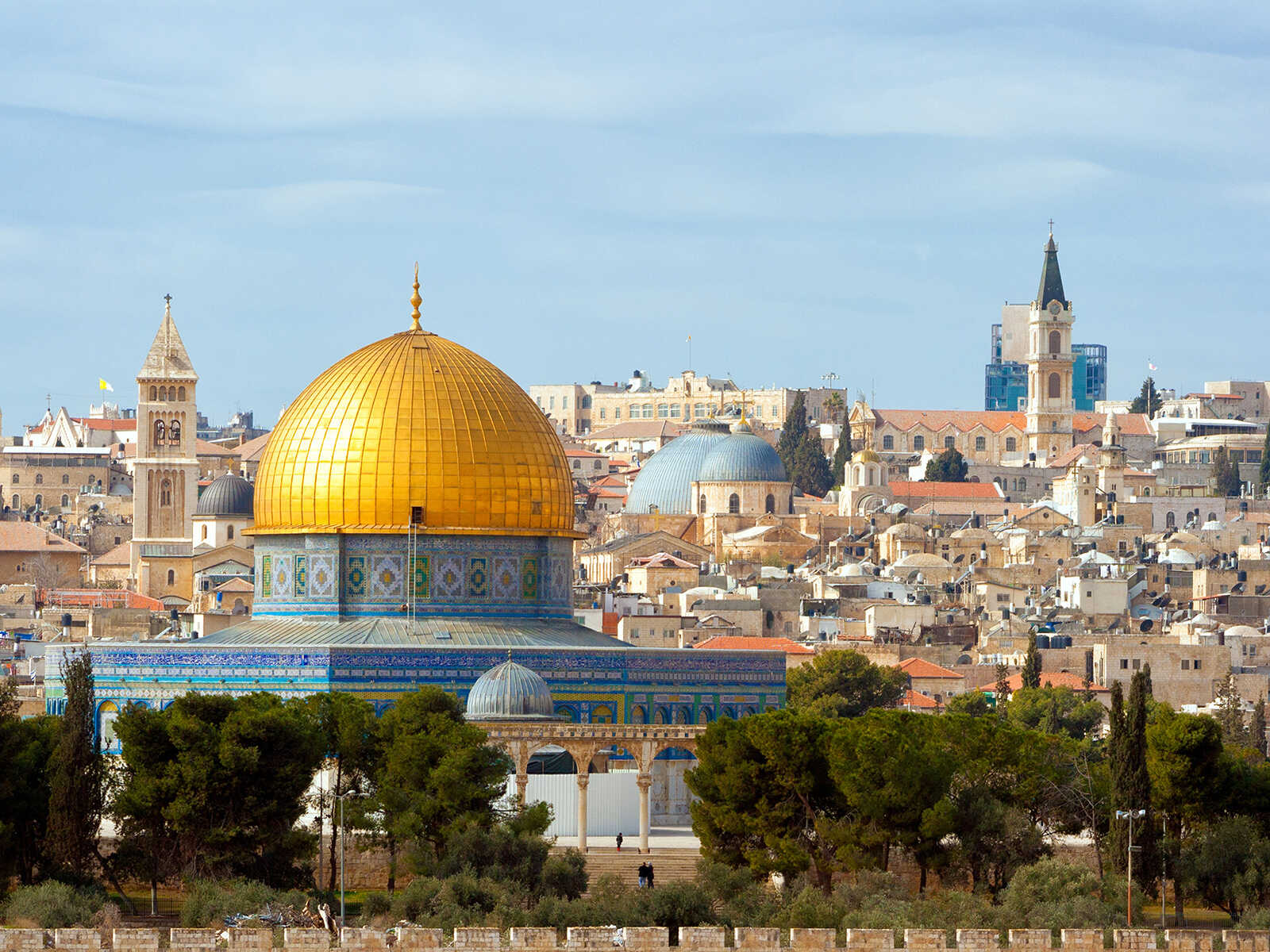
Major Festivals and Holidays in Israel: A Traveler's Calendar
Immerse yourself in Israel's vibrant cultural tapestry, a land where ancient traditions meet modern life. Planning your trip around its diverse calendar of festivals and holidays offers a unique window into the heart and soul of this remarkable country, promising unforgettable experiences.
Israel's calendar is a rich mosaic, reflecting its diverse population. While the Jewish calendar dictates many national holidays, Christian and Muslim observances also play significant roles, especially in specific regions. Understanding this rhythm is key to a smooth and enriching journey, as holiday periods can affect everything from public transport and business hours to hotel availability and the overall atmosphere.
Navigating the Israeli Calendar: A Quick Guide
Most Jewish holidays follow a lunar calendar, meaning their Gregorian dates shift annually. Holidays typically begin at sundown on the preceding evening. Shabbat, the weekly day of rest, is observed from Friday sundown until Saturday sundown. During this time, public transport largely ceases, many businesses close, and a quieter, more reflective atmosphere pervades. Always check specific dates for your travel period.
Autumn: The High Holy Days and Beyond
Autumn ushers in a period of deep spiritual significance for Jewish communities, often impacting daily life across the country.
Rosh Hashanah (Jewish New Year)
This two-day festival typically falls in September or early October. It's a time for reflection, family gatherings, and festive meals featuring symbolic foods like apples and honey. While businesses may close for the holiday, it’s a peaceful time to witness local traditions.
Yom Kippur (Day of Atonement)
Occurring about a week after Rosh Hashanah, Yom Kippur is the holiest day of the Jewish year. It's marked by a 25-hour fast and intense prayer. The entire country comes to a near standstill: roads are empty of cars, airports close, and all businesses shut down. It's a profoundly solemn and unique experience, offering a rare glimpse into a nation in introspection.
Traveler Tip:If you're in Israel during Yom Kippur, plan to stay put. Stock up on supplies beforehand, as virtually nothing will be open. Enjoy the extraordinary quiet and consider joining a synagogue service if you're comfortable.
Sukkot (Feast of Tabernacles)
Following Yom Kippur, Sukkot is a week-long festival celebrating the harvest and commemorating the Israelites' journey through the desert. Families build temporary huts called "sukkot" decorated with natural elements, where they eat and sometimes sleep. The first and last days are full holidays; the intermediate days (Chol HaMoed) are semi-holidays with many businesses open. You'll see sukkot everywhere, from balconies in Tel Aviv-Yafo to public squares in the Old City.
Simchat Torah (Rejoicing of the Torah)
Immediately following Sukkot, this joyous holiday marks the completion and restart of the annual Torah reading cycle. Celebrations involve dancing with Torah scrolls in synagogues and streets, often late into the night.
Eid al-Adha (Feast of Sacrifice)
The "Greater Eid" is one of the two major Muslim holidays, typically falling in autumn (though dates vary significantly each year). It commemorates Abraham's willingness to sacrifice his son. Celebrated with prayers, family visits, and charitable giving, it's a significant time for Muslim communities in Israel, particularly in places like Acre and the Galilee region.
Winter: Lights, Feasts, and Remembrance
Winter brings a mix of cheerful lights and reflective observances.
Hanukkah (Festival of Lights)
Usually in December, Hanukkah is an eight-day festival commemorating the rededication of the Second Temple. Families light menorahs, eat oil-based foods like sufganiyot (doughnuts) and latkes (potato pancakes), and play with dreidels. Public menorah lightings are common in city centers across the country, creating a festive atmosphere.
Christmas and Epiphany
Christian communities, particularly in Jerusalem and Bethlehem, celebrate Christmas on December 25th (Western Christian denominations) and January 6th/7th (Orthodox denominations). Special services and processions take place, especially in the Old City and at holy sites like the Church of the Nativity in Bethlehem. Epiphany, celebrating the baptism of Jesus, is also observed with special ceremonies, notably by the Jordan River near the Sea of Galilee.
Tu B'Shvat (New Year for Trees)
Often in January or February, this minor holiday celebrates nature and environmental awareness. It's common to plant trees and eat fruits associated with the Land of Israel.
Purim (Feast of Lots)
A joyous and often boisterous holiday, Purim typically falls in February or March. It commemorates the salvation of the Jewish people from Haman's plot to annihilate them. Celebrations involve costume parties, public readings of the Megillah (Book of Esther), sending food gifts (mishloach manot), and festive meals. Expect lively street parties, especially in Tel Aviv-Yafo.
Eid al-Fitr (End of Ramadan)
The "Lesser Eid" marks the end of the fasting month of Ramadan. Falling in late winter/early spring (dates vary), it's a joyful three-day celebration with family feasts, gift-giving, and community prayers, particularly vibrant in Arab towns and villages.
Spring: Freedom, Remembrance, and Renewal
Spring is a particularly significant season, with a succession of holidays that define Israel's national identity.
Passover (Pesach)
Usually in April, Passover is an eight-day festival celebrating the liberation of the Israelites from slavery in Egypt. The central observance is the Seder meal, where the story of the Exodus is recounted. For the entire week, observant Jews refrain from eating leavened bread (chametz). This impacts restaurants and food availability across the country. The first and last days are full holidays with closures.
Traveler Tip:During Passover, finding regular bread or pasta can be challenging outside of non-kosher establishments. Many hotels and restaurants will offer "Kosher for Passover" menus, which are distinctly different.
Yom HaShoah (Holocaust Remembrance Day)
A solemn day, usually in April, dedicated to remembering the victims of the Holocaust. A siren sounds across the country, bringing all activity to a halt for two minutes of silent remembrance. Memorial ceremonies are held, most notably at Yad Vashem, Israel's national Holocaust remembrance center.
Yom HaZikaron (Memorial Day)
This day, typically in late April or early May, honors Israel's fallen soldiers and victims of terror. Two sirens sound, bringing the country to a standstill. The atmosphere is deeply somber, transitioning dramatically into the joyous celebrations of Independence Day at sundown.
Yom Ha'Atzmaut (Independence Day)
Immediately following Yom HaZikaron, this day celebrates Israel's declaration of independence. It's a vibrant national holiday with street parties, picnics in parks, BBQ's, and fireworks displays across cities like Tel Aviv-Yafo and Jerusalem. It's a fantastic time to experience Israeli patriotism and community spirit.
Lag Ba'Omer
A minor holiday usually in May, Lag Ba'Omer is celebrated with bonfires and outdoor festivities, particularly popular with children. Pilgrimages also take place to holy sites like Mount Meron.
Shavuot (Feast of Weeks)
Fifty days after Passover, usually in late May or early June, Shavuot celebrates the giving of the Torah at Mount Sinai and the wheat harvest. It's traditional to eat dairy foods (cheesecake, blintzes) and study Torah all night. Many kibbutzim celebrate with harvest festivals, echoing ancient agricultural traditions near the Sea of Galilee.
Orthodox Easter
Typically falling later than Western Easter (often in April or May), Orthodox Easter is a major event for the Orthodox Christian communities. The ancient "Holy Fire" ceremony at the Church of the Holy Sepulchre in the Old City of Jerusalem is a particularly famous and intense event.
Summer: Reflection and Fun
Summer in Israel often means hot weather, but also a variety of festivals and opportunities for relaxation.
Tisha B'Av (Ninth of Av)
A solemn fast day, usually in July or August, commemorating the destruction of both the First and Second Temples in Jerusalem, as well as other tragedies. Like Yom Kippur, it involves a 25-hour fast and a somber atmosphere, with many businesses closed and limited public transport, particularly around the Old City.
Summer Festivals & Events
Beyond religious observances, Israel comes alive with cultural festivals during the summer. Music, dance, and art events are common, from the Red Sea Jazz Festival in Eilat to international performances at the ancient Roman theater in Caesarea National Park. It's a great time to enjoy the beaches of Tel Aviv-Yafo or relax by the Dead Sea, perhaps even explore the vast landscapes of the Ramon Crater.
Travel Tips for Festival Season
- Book Early:Accommodation and flights, especially around major holidays like Passover and the High Holy Days, can book up quickly and be more expensive.
- Check Dates:Always verify Gregorian dates for holidays, as they shift annually.
- Expect Closures:On full holidays and Shabbat, expect most businesses, banks, and public transportation to be closed. Plan your travel accordingly.
- Respect Local Customs:Be mindful of local traditions, especially in religious neighborhoods. Dress modestly when visiting holy sites.
- Embrace the Atmosphere:While some closures can be inconvenient, experiencing Israel during its festivals offers a unique and authentic insight into its culture and people. It's a chance to witness traditions firsthand and participate in the country's vibrant pulse.
Whether you seek spiritual reflection, cultural immersion, or simply a festive atmosphere, Israel's calendar offers a rich array of experiences. Planning your journey with these holidays in mind will undoubtedly enhance your adventure in this extraordinary land.