
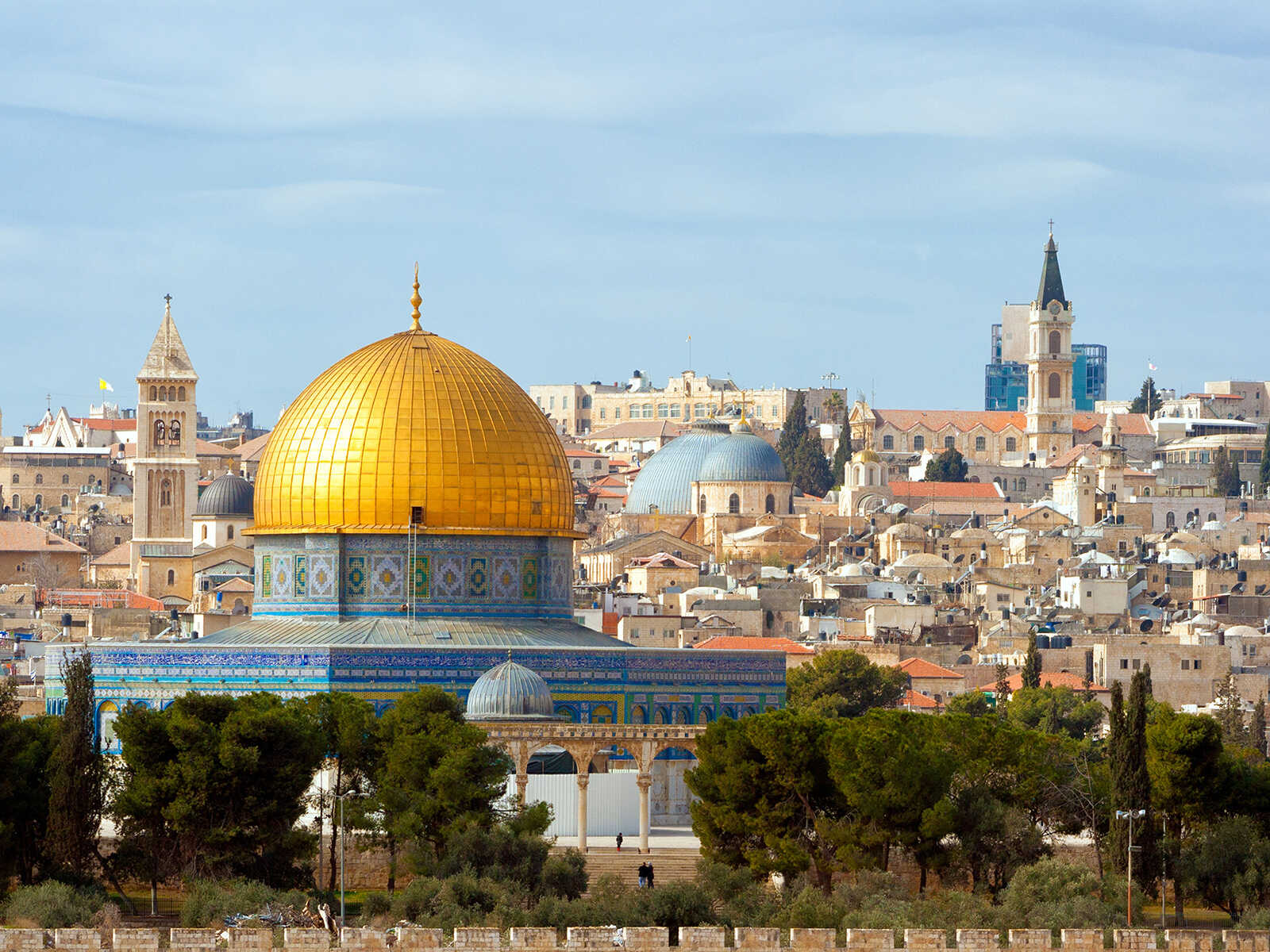
Is Israel Safe to Travel? Essential Safety Tips for Visitors
Israel, a land brimming with ancient history, vibrant culture, and breathtaking landscapes, captivates travelers worldwide. However, given its geopolitical context, many prospective visitors often ask: "Is Israel safe to travel?" This article aims to provide a factual, practical guide to safety, helping you navigate this incredible destination with confidence.
Understanding the Safety Landscape in Israel
For most tourists, daily life in Israel is remarkably ordinary and safe. The country boasts a robust security infrastructure, visible in its airports, public transportation, and major tourist sites. While headlines might suggest constant turmoil, the reality on the ground for visitors in popular areas like Tel Aviv-Yafo, Jerusalem, and the Sea of Galilee is generally peaceful and secure.
Like any popular travel destination, common sense and awareness are your best allies. Israel has a low rate of violent crime against tourists, and the majority of visits proceed without incident. The Israeli government and local authorities prioritize the safety of both residents and visitors, employing comprehensive security measures that are often discreet but highly effective.
Common Concerns & Realities for Tourists
Geopolitical Situation
Israel is situated in a complex region, and occasional conflicts can occur. However, these events are typically localized and do not directly impact the main tourist routes or cities. Major tourist destinations are generally well-protected, and tour operators are highly experienced in navigating the country safely. It's crucial to distinguish between general news and specific travel advisories for tourist areas.
Everyday Crime
Petty crime, such as pickpocketing or bag snatching, can occur, especially in crowded areas like markets, bus stations, or the bustling Old City of Jerusalem. These incidents are comparable to those in any major global city. Being vigilant with your belongings and avoiding flashing large sums of cash or expensive electronics will significantly reduce your risk.
Health & Medical Care
Israel has a modern healthcare system with well-equipped hospitals and highly trained medical staff. Emergency services are efficient. It is highly recommended to have comprehensive travel insurance that covers medical emergencies and potential evacuation. Pharmacies are widely available, and many medications can be purchased over the counter.
Natural Hazards
Much of Israel experiences a Mediterranean climate, with hot, dry summers. Dehydration and sunstroke are genuine risks, especially when visiting desert areas like the Dead Sea region,Ramon Crater, or Timna Park. Always carry water, wear sun protection (hat, sunscreen), and stay in the shade during peak sun hours. Flash floods can occur in desert wadis during winter rains, so always check local weather advisories before hiking in these areas.
Tip:While enjoying the unique buoyancy of the Dead Sea, remember to avoid getting the water in your eyes, as its high salt content can cause discomfort.
Essential Safety Tips for a Smooth Trip
Before You Go
- Check Travel Advisories:Consult your government's travel advisories (e.g., U.S. State Department, UK Foreign Office) for the latest information on specific regions.
- Travel Insurance:Purchase a comprehensive policy that covers medical emergencies, trip cancellations, and lost luggage.
- Pack Smart:Bring modest clothing for religious sites and conservative areas. Pack light, breathable fabrics and good walking shoes. Don't forget sun protection essentials.
- Research Local Customs:Understanding cultural norms will enhance your experience and help you avoid inadvertent offenses.
While You're There
- Stay Informed:Keep an eye on local news, follow advice from your hotel staff, tour guides, or official sources.
- Be Aware of Your Surroundings:Especially in crowded markets (like those in Acre) or busy public transport hubs. Trust your instincts.
- Respect Local Customs & Dress Codes:When visiting religious sites such as the Old City,Mt Zion, or the Baha'i Gardens, dress modestly (shoulders and knees covered).
- Transportation Safety:Use licensed taxis or reputable ride-sharing apps. Public transport in major cities is generally safe and efficient.
- Hydration & Sun Protection:This cannot be stressed enough, particularly when exploring outdoor sites like Masada National Park,Caesarea National Park, or Ein Gedi Reserve.
- Valuables:Keep valuables out of sight, consider using a money belt, and leave important documents in your hotel safe.
- Emergency Contacts:Know the local emergency numbers (Police: 100, Ambulance: 101, Fire: 102) and your embassy/consulate contact details.
Specific Regional Considerations
While most of Israel is safe, some areas require extra caution or are best avoided:
- Border Areas:Regions bordering the Gaza Strip, Lebanon, and Syria (parts of the Golan Heights) can be volatile. Always heed official warnings and avoid unauthorized entry into restricted zones.
- West Bank:Many visitors safely visit destinations like Bethlehem, often as part of organized tours. Check the security situation and your travel insurance policy before entering Palestinian Authority-controlled areas.
- Desert Regions:When hiking in the Negev Desert or around Eilat, stick to marked trails, inform someone of your itinerary, and carry ample water.
- Jerusalem:The city is generally safe, but its religious and political significance means heightened security is common. Be respectful in all quarters, especially during religious holidays.
Navigating Cultural Sensitivities
Israel is a melting pot of cultures and religions, including Jewish, Muslim, Christian, and Druze communities. Respect for these diverse traditions is paramount for a harmonious visit.
- Shabbat:From Friday sundown to Saturday sundown, many businesses close, and public transport may be limited in observant Jewish areas. Plan accordingly.
- Religious Sites:Dress modestly and be mindful of local customs. Photography might be restricted in certain holy places, such as parts of Yad Vashem or specific synagogues and mosques.
- Interactions:Be polite and patient. Israelis are generally direct but warm people.
What to Do in an Emergency
In the unlikely event of an emergency:
- Contact Local Authorities:Dial 100 for police, 101 for an ambulance (Magen David Adom), or 102 for fire services.
- Notify Your Embassy/Consulate:They can provide assistance, help replace lost passports, and offer guidance.
- Inform Your Travel Insurance Provider:Contact them as soon as possible to understand your coverage and initiate any necessary claims.
Conclusion: Enjoying Your Israeli Adventure Safely
While no country is entirely without risk, Israel is, for the vast majority of tourists, a safe and incredibly rewarding destination. By staying informed, exercising common sense, respecting local customs, and taking basic precautions, you can confidently explore its ancient wonders, vibrant cities, and stunning natural beauty. From the historical depths of The Israel Museum to the serene shores of the Sea of Galilee, Israel promises an unforgettable journey, safely experienced.