
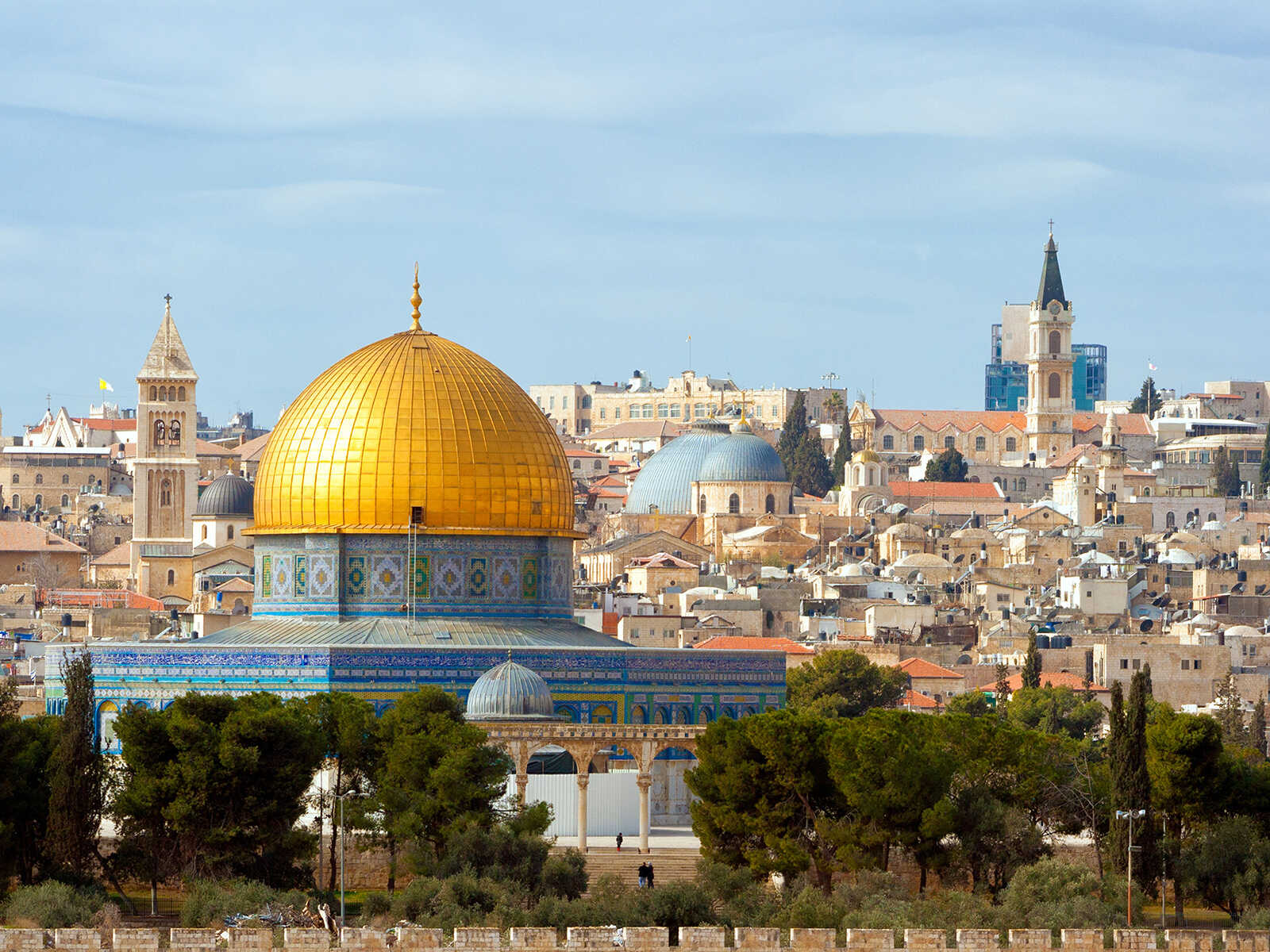
Getting Around Israel: Public Transport, Car Rental & Intercity Travel
Israel, a land rich in history and vibrant culture, offers diverse landscapes from bustling cities to ancient ruins and desert vistas. Navigating this captivating country is made easy with a variety of transport options, catering to every traveler's budget and preferred pace. Whether you opt for efficient public transport, the freedom of a rental car, or convenient intercity services, getting around Israel is an integral part of your adventure.
Public Transportation in Israel
Israel boasts a modern and extensive public transportation network, particularly efficient in and between major cities. Utilizing buses, trains, and light rail is a cost-effective and environmentally friendly way to explore.
The Rav-Kav Card: Your Gateway to Public Transport
The cornerstone of Israel's public transport system is theRav-Kav card. This reloadable smart card is essential for seamless travel on buses, trains, and light rail throughout the country. You can purchase and load it with credit (known as "Erek Tzavur") or various daily, weekly, or monthly passes at major train stations, central bus stations, and designated kiosks. Remember to validate your card upon boarding.
Buses: The Backbone of Israeli Travel
Buses are the most widespread form of public transport, connecting virtually every town and city. Major operators like Egged and Dan provide comprehensive routes. They are frequent, air-conditioned, and generally reliable. Buses are an excellent option for reaching destinations like the Dead Sea,Masada National Park, or even the northern regions like the Sea of Galilee.
Trains: Fast & Comfortable Intercity Connections
Israel Railways offers a comfortable and increasingly extensive network, connecting major population centers along the coastal plain and extending south to Beer Sheva and north to Nahariya. Train travel is particularly popular for journeys between Tel Aviv-Yafo, Jerusalem, Ben Gurion Airport, and Haifa, offering scenic views and avoiding traffic. It's an excellent way to reach cities like Acre with ease.
Light Rail & Metro-it: Urban Mobility
Jerusalem and Tel Aviv have embraced light rail systems to ease urban congestion. Jerusalem's light rail connects key sites, including the Old City and Yad Vashem. Haifa features the "Carmelit" underground funicular, and the Tel Aviv metropolitan area is rapidly expanding its light rail network, significantly improving intra-city travel.
Sheruts: Shared Taxis for Convenience
"Sheruts" (shared taxis) are a unique and popular Israeli transport option, especially for routes between major cities or within cities where bus services might be less direct. They generally follow bus routes but offer a more flexible, often quicker, and door-to-door service at a price comparable to a bus ticket. They operate on a 'fill-and-go' basis and are particularly useful during Shabbat when most public transport ceases.
Exploring Israel by Car Rental
For travelers seeking ultimate flexibility and the ability to explore off-the-beaten-path destinations, renting a car is an excellent choice. Israel's well-maintained road network makes driving straightforward.
Pros & Cons of Renting a Car
The primary advantage of a rental car is the freedom it provides. You can set your own pace, stop spontaneously, and access remote sites like the Golan Heights,Ramon Crater,Timna Park, or Ein Gedi Reserve that are less accessible by public transport. However, consider potential challenges: city driving can be hectic, parking in major cities is often difficult and expensive, and navigating can be tricky without GPS.
Driving in Israel
Israelis drive on the right-hand side of the road. Road signs are in Hebrew, Arabic, and English, making navigation relatively easy for international visitors. Speed limits are clearly marked, and seatbelt use is mandatory. Be aware of rush hour traffic, especially around Tel Aviv-Yafo and Jerusalem.
Tip:While a GPS or smartphone navigation app (like Waze or Google Maps) is highly recommended, always keep an eye on road signs, especially when approaching major intersections or city entrances.
Parking
Parking in major cities like Jerusalem and Tel Aviv can be a challenge. Look for blue-and-white curb markings, which indicate paid street parking (often requiring a parking app like Cellopark or Pango). Red-and-white curbs signify no parking at any time. Paid parking lots ("hanayot") are widely available and often the most convenient option in city centers or near attractions like Caesarea National Park.
Navigating Within Cities
Once you've reached your urban destination, various options help you get around locally.
Walking
Many Israeli cities, especially their historic centers, are best explored on foot. Strolling through Jerusalem's Old City, Tel Aviv's Rothschild Boulevard, or Haifa's slopes leading to the Baha'i Gardens offers an intimate experience of the local atmosphere. Comfortable walking shoes are a must!
Taxis & Ride-Sharing
Taxis are readily available in all cities. They can be hailed on the street or ordered via apps like Gett or Yango (Israel's equivalents to Uber/Lyft). Ensure the meter ("moneh") is used or agree on a fare beforehand. Ride-sharing services are also increasingly popular.
Scooters & Bike Rentals
In Tel Aviv-Yafo and other major cities, electric scooters and bicycles are a popular and fun way to cover shorter distances. Numerous apps allow you to rent these by the minute or hour. They are perfect for cruising along the promenade or exploring neighborhoods.
Special Considerations & Tips
Shabbat and Jewish Holidays
A significant factor affecting transport in Israel is Shabbat (the Sabbath), which runs from Friday sunset until Saturday nightfall. During this period, most public transportation (buses and trains) ceases operation. Sheruts and private taxis continue to run, often at higher fares. Car rental becomes particularly advantageous during Shabbat. The same applies to major Jewish holidays. Always plan your travel accordingly.
Travel to the Palestinian Territories
For visits to places like Bethlehem, public transport options exist from East Jerusalem (Arab buses). Rental cars often have restrictions on entering Palestinian Authority areas, and insurance may not cover travel there. It's advisable to check with your rental company and local authorities regarding specific regulations.
Accessibility
Israel has made significant strides in improving accessibility for travelers with disabilities. New buses, trains, and light rail systems are generally accessible. However, older infrastructure, especially in historic sites, may present challenges. It's always best to research specific locations in advance.
Internal Flights to Eilat
For swift travel to the southern resort city of Eilat, domestic flights from Ben Gurion Airport (near Tel Aviv) or Sde Dov Airport (Tel Aviv) are an efficient option, significantly cutting down travel time compared to driving or bus journeys.
Getting around Israel is a straightforward and often enjoyable part of the travel experience. Whether you prefer the structure of public transport, the freedom of a rental car, or the convenience of shared taxis, the country offers a robust network to connect you with its myriad of wonders. Plan ahead, understand the local nuances, and embark on an unforgettable journey through the Holy Land.