
Best Time to Visit Israel for Every Traveler
Israel, a land of ancient history, vibrant culture, and stunning diverse landscapes, offers an unparalleled travel experience. Deciding thebest time to visitcan significantly enhance your trip, whether you're seeking spiritual reflection, outdoor adventure, or urban exploration. This guide will help you navigate the seasons to find your ideal travel window.
Understanding Israel's Climate
Israel's climate varies dramatically across its compact geography. Generally, the country experiences hot, dry summers (June to August) and mild, wet winters (December to February). Spring (March to May) and autumn (September to November) serve as pleasant transition periods, offering moderate temperatures and less rainfall, making them popular choices for many visitors.
Spring (March-May): The Sweet Spot
Spring is widely considered the most ideal time to visit Israel. The weather is delightfully mild across most of the country, with lush landscapes bursting into bloom after the winter rains. Temperatures typically range from 60-80°F (15-27°C), perfect for sightseeing and outdoor activities.
Hiking & Nature Lovers
With wildflowers blanketing the hills and comfortable temperatures, spring is prime time for exploring Israel's natural beauty. Hike the verdant trails of the Golan Heights, ascend Masada National Park at sunrise for breathtaking desert views, or discover the oasis of Ein Gedi Reserve. The Sea of Galilee region is particularly picturesque, offering both historical sites and natural serenity.
History & Culture Enthusiasts
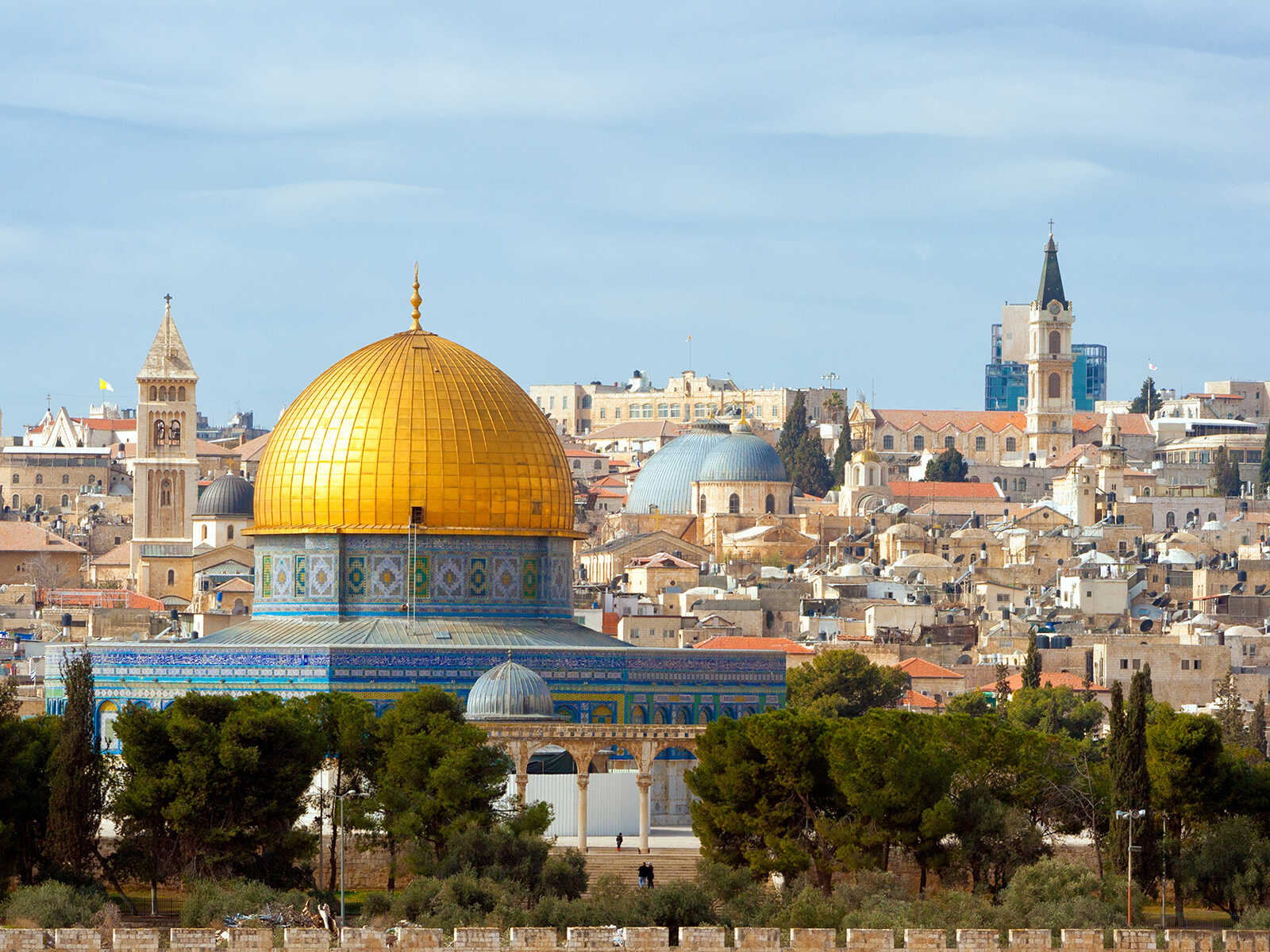
Exploring ancient ruins and bustling markets is a joy in the spring. Wander through the cobbled streets of the Old City in Jerusalem, uncovering layers of history, or marvel at the Roman engineering marvels of Caesarea National Park. The pleasant weather allows for extended outdoor exploration of archaeological sites without the intensity of summer heat.
Travel Tip:Spring can coincide with major Jewish holidays like Passover, which means increased crowds, higher prices for accommodations and flights, and some business closures. Book well in advance if traveling during this period.
Summer (June-August): Sun, Sea, and Festivals
Summer in Israel is hot and sunny, especially inland and in the desert regions. Coastal areas like Tel Aviv offer a refreshing sea breeze, but temperatures can still soar, often reaching 90-100°F (32-38°C) or higher. This season is perfect for beach lovers, water sports enthusiasts, and those who enjoy vibrant nightlife.
Beach Goers & Nightlife Seekers
The Mediterranean coast truly comes alive in summer.Tel Aviv-Yafo boasts lively beaches, bustling promenades, and a world-renowned nightlife scene that extends into the early hours. For diving and snorkeling, the Red Sea resort city of Eilat is a prime destination, offering crystal-clear waters and stunning coral reefs. The Sea of Galilee also offers pleasant swimming and water activities.
Family Vacations
With school holidays, summer is a popular time for families. While the heat can be intense for extensive sightseeing, many resorts and attractions are geared towards family fun, especially those with water parks or indoor activities. Early morning excursions are key to beating the heat.
Autumn (September-November): Festivals and Mild Weather
Autumn brings a welcome respite from the summer heat, with temperatures gradually cooling to a comfortable range of 70-85°F (21-29°C). The landscape remains relatively dry, but the air is crisp, making it another excellent time for diverse travel experiences. This season is particularly significant for religious travelers due to a succession of major Jewish holidays.
Religious & Festival Travelers
The autumn months are packed with Jewish high holidays (Rosh Hashanah, Yom Kippur, Sukkot), offering a unique opportunity to witness profound cultural and religious observances. While inspiring, these periods also bring significant closures, increased domestic travel, and potential challenges with transportation and accommodation. Planning around these dates is crucial.
Desert Explorers
As the intense summer heat subsides, autumn becomes ideal for exploring Israel's majestic desert landscapes. Venture into the otherworldly beauty of the Ramon Crater, float effortlessly in the mineral-rich waters of the Dead Sea, or discover the ancient copper mines of Timna Park. The moderate temperatures make hiking and outdoor adventures much more enjoyable.
Winter (December-February): Culture and City Exploration
Winter in Israel is generally mild, especially along the coast and in the south. Jerusalem and the central highlands can be cooler, experiencing occasional rain and even rare snowfall. The northern Golan Heights can get proper winter weather with snow. Temperatures typically range from 45-65°F (7-18°C).
City Explorers & Museum Lovers
Winter is an excellent time for urban exploration and cultural immersion, with fewer crowds at major indoor attractions. Spend days wandering the museums of Tel Aviv or Jerusalem, such as Yad Vashem or The Israel Museum. The cooler weather is perfect for exploring the ancient alleyways of Old City and Acre, or the majestic Baha'i Gardens in Haifa without breaking a sweat. For Christian pilgrims, visiting Bethlehem around Christmas is a profound experience, albeit a crowded one.
Budget-Conscious Travelers
Outside of the Christmas and New Year period, winter often sees lower tourist numbers, leading to more competitive prices for flights and accommodations. This can be a great time for budget travelers to experience Israel's rich offerings. Just be prepared for potential rain, especially in January, and pack layers.
Considerations Beyond Weather
While climate plays a significant role, other factors can heavily influence your travel experience in Israel.
Religious Holidays
Israel observes numerous Jewish holidays throughout the year. During these times, government offices, banks, and many businesses close. Public transportation may be limited or nonexistent, and attractions might have reduced hours. Accommodation prices often increase, and popular sites experience greater crowds. Always check a Hebrew calendar when planning your trip.
School Holidays
Both Israeli and international school holidays can lead to increased crowds at popular attractions and higher demand for flights and hotels, particularly during summer and major religious festivals.
Avoiding Crowds & Saving Money
- Shoulder Seasons (late February, early March, late May, early June, late November, early December):These periods often offer pleasant weather with fewer crowds and potentially better deals on flights and accommodation.
- Mid-week Travel:Weekends (Friday afternoon to Saturday evening) are the Sabbath, impacting transportation and closures. Weekday travel is generally smoother for getting around and visiting sites.
Ultimately, the best time to visit Israel depends on your personal preferences and priorities. Whether you crave the vibrant energy of summer, the comfortable climate of spring and autumn, or the cultural depth of winter, Israel offers a memorable journey year-round.