
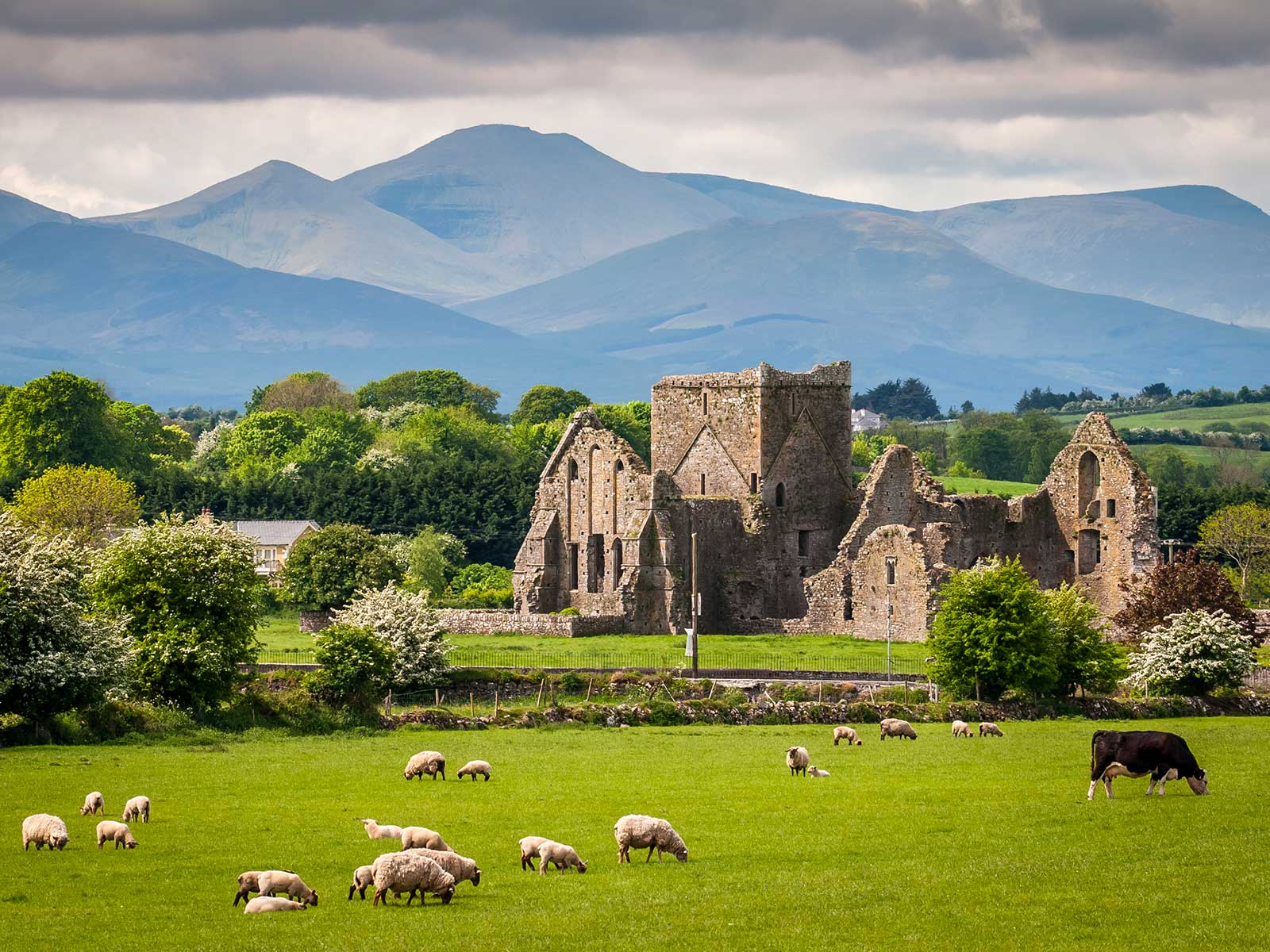
Is Ireland Safe for Tourists? Essential Safety Tips
Ireland, often called the Emerald Isle, beckons travelers with its stunning landscapes, rich history, and vibrant culture. While generally a very safe and welcoming destination, like any travel experience, being informed and prepared is key to ensuring a smooth and enjoyable trip. This guide will help you understand the safety landscape in Ireland and equip you with essential tips for a worry-free adventure.
Overall Safety in Ireland: A Welcoming Destination
Ireland consistently ranks among the safest countries in the world. Its low crime rate, friendly locals, and strong sense of community make it an ideal destination for solo travelers, families, and groups alike. Most visits are trouble-free, with tourists experiencing nothing but the renowned Irish hospitality.
However, "safe" doesn't mean "risk-free." As with any popular tourist destination, petty crime can occur, particularly in urban areas. Being aware of your surroundings and taking basic precautions will significantly enhance your safety and peace of mind.
Understanding Common Concerns
While serious crime against tourists is rare, it's wise to be aware of the most common issues:
- Petty Theft:Pickpocketing and bag snatching can happen in crowded tourist areas, public transport, and busy city centers, especially in Dublin.
- Vehicle Break-ins:Cars, particularly rental cars, can be targeted, especially if valuables are left visible.
- Scams:While not widespread, be cautious of common tourist scams, such as overcharging for services or deceptive street vendors.
- Nightlife Incidents:Over-consumption of alcohol can lead to vulnerability or minor altercations, particularly late at night around pubs and clubs.
Essential Safety Tips for Your Irish Adventure
1. Personal Safety & Awareness
- Be Aware of Your Surroundings:Pay attention, especially in crowded areas, on public transport, and at night.
- Protect Your Valuables:Keep wallets in front pockets, use cross-body bags, and avoid flashing expensive items. Consider using an anti-theft bag or money belt.
- Limit Cash:Use credit or debit cards where possible and only carry necessary amounts of cash.
- Solo Travel:Ireland is very safe for solo travelers, but always inform someone of your itinerary, especially when hiking or exploring remote areas.
- Public Transport:Use official taxis (identifiable with a roof sign and meter) or ride-sharing apps like Free Now. On buses and trains, keep your belongings close.
Did You Know?The Garda Síochána (Irish police force) is generally approachable and helpful. Don't hesitate to ask for assistance if you feel unsafe or need directions.
2. Financial Safety
- ATM Usage:Use ATMs located inside banks or well-lit, public areas. Be mindful of anyone looking over your shoulder.
- Credit Card Security:Keep an eye on your card during transactions. Notify your bank of your travel plans to prevent card freezing.
- Documentation:Carry photocopies or digital copies of important documents (passport, visa, flight details) separate from the originals.
3. Road Safety & Driving in Ireland
Driving in Ireland offers incredible freedom to explore breathtaking landscapes, from the rugged Wild Atlantic Way to serene inland routes. However, it comes with unique challenges:
- Drive on the Left:This is the most crucial rule for visitors from right-hand drive countries. Take extra care at roundabouts and junctions.
- Narrow, Winding Roads:Rural roads, especially on scenic routes like The Dingle Peninsula, can be very narrow, often with high hedges and blind spots. Drive slowly and be prepared for oncoming traffic.
- Pedestrians and Cyclists:Be vigilant, especially in towns and on country roads.
- Weather Conditions:Rain is common, making roads slick. Fog can also reduce visibility. Adjust your driving accordingly.
- Alcohol Limits:Ireland has strict drink-driving laws. Do not drink and drive.
- Parking:Always park in designated areas, especially at popular attractions like the Cliffs of Moher or Killarney National Park. Never leave valuables visible in your car.
4. Outdoor & Nature Safety
Ireland's natural beauty is a major draw, but respect the elements:
- Weather:Irish weather can be unpredictable, even in summer. Pack layers, waterproof clothing, and sturdy footwear.
- Hiking:When exploring areas like Glendalough or the mountains of Killarney National Park, stick to marked trails, inform someone of your route, and carry a fully charged phone.
- Coastal Safety:The Atlantic coast can have strong currents and unpredictable waves. Be extremely cautious when near cliffs (like the Cliffs of Moher) or swimming at beaches like Ballymastocker Beach. Always heed warning signs. When taking boat trips, for example to the Skellig Islands, ensure the operator is reputable and the weather is suitable.
- Farm Animals:Be respectful of livestock in rural areas. Close gates behind you when hiking across farmland.
5. Health & Medical Information
- EHIC Card:If you're an EU citizen, bring your European Health Insurance Card (EHIC) for access to public healthcare.
- Travel Insurance:All non-EU visitors should have comprehensive travel insurance covering medical emergencies, theft, and trip cancellations.
- Pharmacies:Pharmacies are widely available for minor ailments and advice.
- Emergency Services:For medical emergencies, fire, or police, dial112or999.
6. Nightlife & Socializing
Irish pubs are central to the culture, offering warmth, music, and great craic (fun). However, exercise caution:
- Responsible Drinking:Enjoy the local stout at the Guinness Storehouse or a whiskey at the Irish Whiskey Museum or Sean’s bar responsibly. Know your limits.
- Watch Your Drink:Never leave your drink unattended.
- Getting Home:Plan how you'll get back to your accommodation safely before you go out. Use licensed taxis or pre-booked services.
7. Cultural Sensitivity
- Respect Local Customs:The Irish are generally very friendly and tolerant. A polite "please" and "thank you" goes a long way.
- Sensitive Topics:While not a direct safety concern, avoid engaging in political discussions about Northern Ireland or other historically sensitive topics unless invited by a local you know well and trust. This is particularly true in areas like the Giant’s Causeway region which borders Northern Ireland.
Emergency Contact Information
- Emergency Services (Police, Fire, Ambulance):Dial112or999
- Irish Tourist Assistance Service (ITAS):Provides support to tourists who are victims of crime. Contact details can be found online.
Enjoy Your Safe Journey to Ireland!
Ireland is an incredibly rewarding destination, and by following these practical safety tips, you can focus on soaking in its legendary charm, exploring its ancient sites like Kilmainham Gaol, or discovering hidden gems like Leap Castle or Glenoe Waterfall. With a little common sense and preparation, your trip to the Emerald Isle will undoubtedly be a memorable and safe experience.