
Ireland on a Budget: Smart Travel Tips for Savvy Explorers
Ireland, with its verdant landscapes, ancient castles, and vibrant culture, often tops travel wish lists. While its reputation for hospitality is legendary, many believe experiencing the Emerald Isle comes with a hefty price tag. Fear not, savvy explorers: an unforgettable Irish adventure is entirely possible without emptying your wallet.
Planning Your Trip Wisely
Embrace the Shoulder Seasons
Traveling during the peak summer months (July-August) often means higher prices for flights, accommodation, and tours. Consider visiting in the shoulder seasons (April-May or September-October). You'll still enjoy pleasant weather, fewer crowds, and more favorable rates. The vibrant hues of spring or the golden glow of autumn add an extra layer of magic to the scenery.
Research and Book Ahead
Spontaneity is fun, but planning saves money. Flights and popular accommodation options tend to be significantly cheaper when booked several months in advance. Look for package deals that bundle flights and hotels, or consider booking hostels directly through their websites for potential discounts.
Accommodation That Won't Break the Bank
Hostels: More Than Just Dorms
Modern hostels in Ireland are often stylish, clean, and offer private rooms in addition to dorms. They're fantastic for meeting fellow travelers and often include amenities like self-catering kitchens, free Wi-Fi, and sometimes even complimentary breakfast. Look for options in cities like Dublin or near popular attractions.
Guesthouses and B&Bs
While sometimes pricier than hostels, family-run guesthouses and B&Bs can offer excellent value, especially outside major tourist hubs. They often provide a hearty Irish breakfast, local insights, and a warm, personalized experience. Don't hesitate to inquire about direct booking discounts.
Self-Catering Apartments and Farm Stays
Renting an apartment, especially for longer stays or groups, can significantly cut food costs as you'll have a kitchen. Farm stays offer a unique cultural experience and often come with comfortable, self-catering accommodation in rural settings, perfect for exploring areas like the Dingle Peninsula or along the Wild Atlantic Way.
Navigating Ireland Affordably
Public Transport: Buses and Trains
Ireland has a decent public transport network. Buses (Bus Éireann, Dublin Bus) connect most towns and cities, while Irish Rail offers scenic train journeys. Purchasing multi-day passes or booking tickets online in advance can lead to savings. For city exploration, consider a Leap Card in Dublin for discounted fares.
Carpooling and Ride-Sharing
If you're keen to explore more remote areas, carpooling apps or splitting rental car costs with travel companions can be very economical. Always factor in fuel costs, which can be higher than in some other countries.
Embrace Walking and Cycling
Many of Ireland's most breathtaking attractions are best experienced on foot or by bike. Explore the trails of Killarney National Park, wander through ancient monastic sites like Glendalough, or cycle along scenic coastal routes. This is not only free but also offers an intimate connection with the landscape.
Fun Fact:Ireland boasts over 3,000 miles of coastline, offering endless opportunities for stunning walks and cycles, many of which are completely free to enjoy.
Savoring Irish Flavors on a Dime
Self-Catering and Picnics
One of the easiest ways to save on food is to buy groceries from local supermarkets (Lidl, Aldi, Tesco) and prepare your own meals. Pack lunches and snacks for day trips, especially when visiting natural wonders like the Cliffs of Moher or the Giant’s Causeway. Enjoying a picnic amidst a beautiful Irish landscape is an experience in itself!
Pub Grub and Early Bird Menus
Many traditional pubs offer excellent value "pub grub" – hearty, delicious meals that are often more affordable than restaurant dining. Look for daily specials. Additionally, many restaurants offer "early bird" menus (usually before 7 PM) with fixed-price, multi-course meals at a significant discount.
Farmers' Markets and Food Stalls
Explore local farmers' markets for fresh produce, artisan cheeses, and baked goods. They're a great place to pick up picnic supplies and sample local delicacies at reasonable prices. Food stalls at festivals or street markets can also offer tasty and budget-friendly options.
Free and Low-Cost Activities
Embrace Nature's Grandeur
Ireland's most iconic attractions are often its natural landscapes, and these are largely free to access. Hike along the dramatic Cliffs of Moher(though parking might have a fee), explore the serene beauty of Killarney National Park, drive the scenic Wild Atlantic Way, or discover the charm of Glenoe Waterfall. Beaches like Ballymastocker Beach offer stunning vistas without an entrance fee.
Museums and Galleries
Many of Ireland's national museums and galleries, such as the National Museum of Ireland and the National Gallery of Ireland in Dublin, offer free admission to their permanent collections. This provides a fantastic opportunity to delve into Irish history, art, and culture without spending a euro.
Free Walking Tours
In major cities, free walking tours (tip-based) are an excellent way to get acquainted with the city's history and landmarks, often led by enthusiastic local guides. They can offer valuable insights and recommendations for budget-friendly activities and eateries.
Historic Sites and Lesser-Known Gems
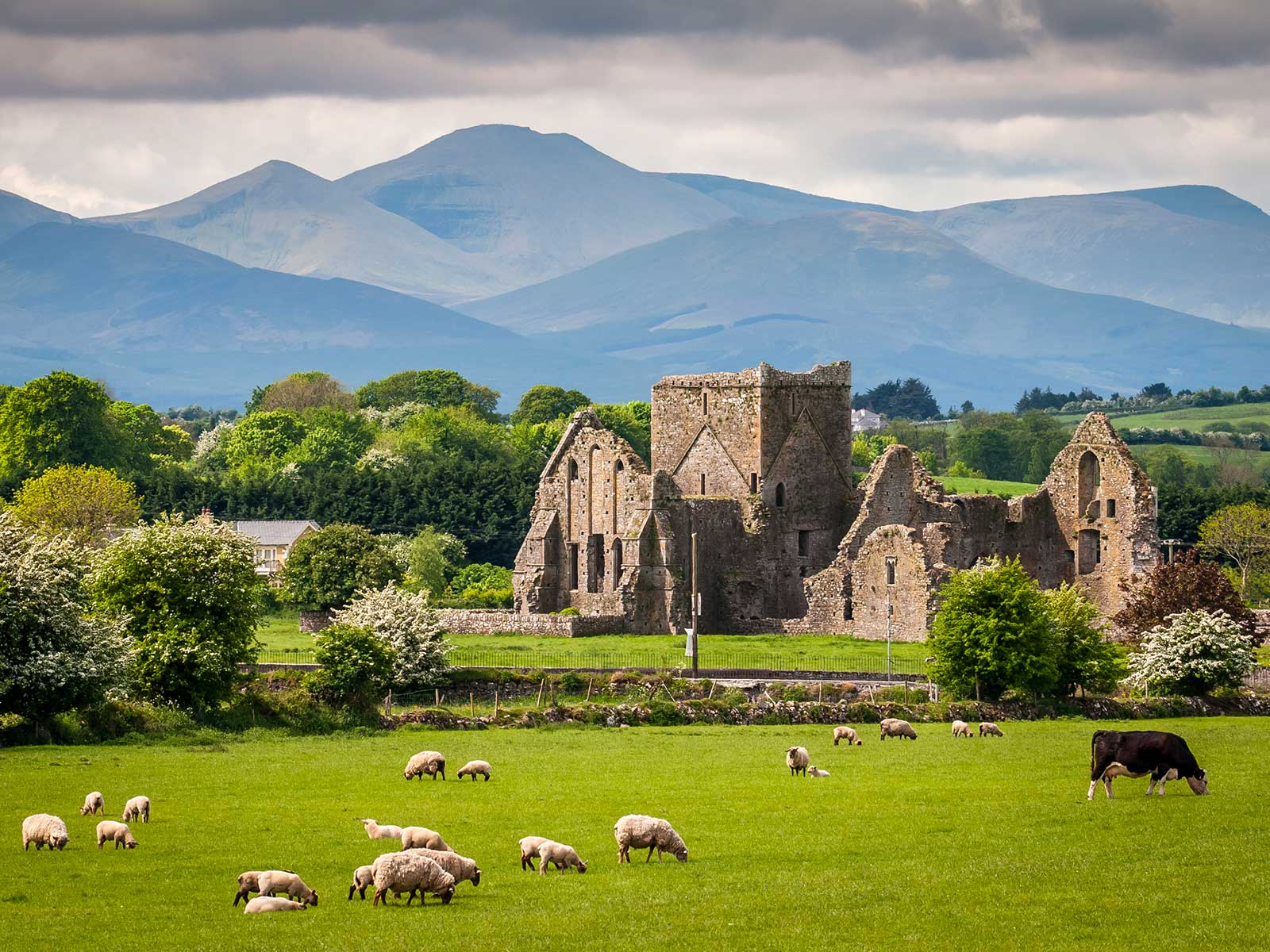
While some major historical attractions like the Kilmainham Gaol or the Guinness Storehouse have entrance fees, many ancient ruins, abbeys, and castles (like the exterior of Leap Castle, if you don't take a tour) can be explored for free or a minimal charge. Seek out local heritage sites that might not be in every guidebook.
Smart Spending and Saving Tips
Tourist Cards and Passes
In cities like Dublin, consider a Dublin Pass if you plan on visiting many paid attractions like the Irish Whiskey Museum. Do the math to ensure it actually saves you money based on your planned itinerary.
Embrace the Pub Culture (Responsibly)
Visiting an Irish pub is a quintessential experience. While drinks can add up, you don't need to drink heavily to enjoy the atmosphere. Many pubs, including historic ones like Sean’s bar, often host free live traditional music sessions. Grab a soft drink or a single pint and soak in the craic (fun).
Duty-Free and Souvenirs
If traveling internationally, consider purchasing souvenirs and gifts at duty-free shops at the airport to save on taxes. For local souvenirs, look for craft markets or smaller independent shops outside major tourist areas, where prices might be more reasonable. Avoid impulse buys at highly trafficked tourist spots.
Stay Hydrated for Free
Carry a reusable water bottle. Tap water in Ireland is safe to drink, and you can refill it at most cafes, pubs, and public fountains, saving you from constantly buying bottled water.
Embracing the Irish Spirit Affordably
Ireland's true magic often lies in its intangible charm: the warmth of its people, the lively music, and the sheer beauty of its landscapes. These experiences are priceless and often free. Engage with locals, listen to stories, and allow yourself to simply absorb the atmosphere. A budget trip to Ireland is not about deprivation; it's about making conscious choices that allow you to fully immerse yourself in the culture and create lasting memories without financial strain. With a little planning and smart choices, the Emerald Isle is well within your reach.