
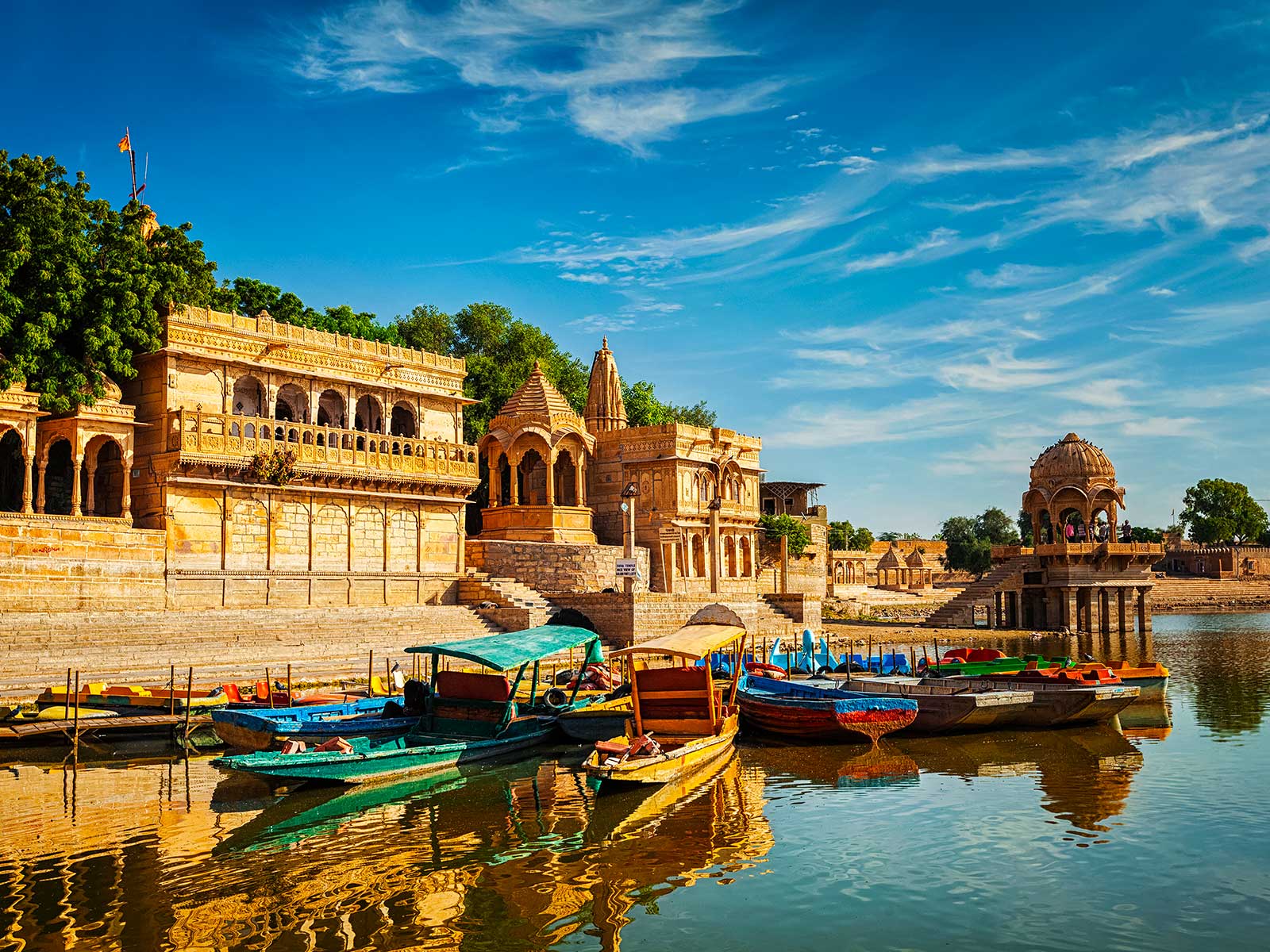
Varanasi Travel Guide: Planning Your Spiritual Journey on the Ganges
Varanasi, one of the world's oldest continuously inhabited cities, offers an unparalleled spiritual experience on the banks of the sacred River Ganges. This ancient city, also known as Kashi or Benaras, is a vibrant tapestry of rituals, devotion, and timeless traditions, drawing pilgrims and travelers seeking profound insights into India's spiritual heart.
Why Varanasi? A Glimpse into India's Spiritual Heart
Varanasi holds immense significance in Hinduism, believed to be the place where one can attain salvation (moksha). The city pulsates with an energy that is both chaotic and serene, where life and death coalesce in a profound cycle. From the early morning chants and rituals along the ghats to the mesmerizing Ganga Aarti in the evenings, every moment in Varanasi is an invitation to witness centuries-old customs and immerse yourself in a unique cultural landscape. It's a destination that challenges, inspires, and leaves an indelible mark on the soul.
Best Time to Visit Varanasi
The ideal time to visit Varanasi is during the cooler, drier months fromOctober to March. The weather is pleasant, making it comfortable for exploring the ghats and navigating the narrow lanes. Summers (April to June) are extremely hot and humid, while the monsoon season (July to September) brings heavy rainfall, which can sometimes disrupt travel plans and make walking around less comfortable.
Getting to Varanasi
Varanasi is well-connected to major Indian cities, making it accessible for travelers.
By Air
Lal Bahadur Shastri International Airport (VNS) is located approximately 26 km from the city center. It has good connectivity with major Indian cities like Delhi, Mumbai, Kolkata, and Chennai, as well as some international destinations. Taxis and auto-rickshaws are readily available outside the airport to take you to your accommodation.
By Rail
Varanasi Junction (BSB) is a major railway station, connecting the city to almost all parts of India. Many overnight trains run from significant metropolitan areas, offering a comfortable and economical way to reach the city. Another important station is Manduadih Railway Station (MUV), which also serves the city.
By Road
Varanasi is connected by a network of national and state highways. Government and private buses operate regular services to and from nearby cities like Allahabad, Lucknow, and Gorakhpur. For a more comfortable journey, private taxis can be hired from various locations across Uttar Pradesh and neighboring states.
Experiencing Varanasi: Must-Do Activities and Sights
The Sacred Ghats and Ganga Aarti
The ghats are the heart and soul of Varanasi, a series of steps leading down to the Ganges. Each of the nearly 80 ghats has its own significance, from bathing ghats to cremation ghats. The most famous isDashashwamedh Ghat, where the spectacular Ganga Aarti ceremony takes place every evening at sunset. This elaborate ritual of fire, incense, and chanting is an unforgettable spectacle of devotion and light.
Travel Tip:Arrive early at Dashashwamedh Ghat to secure a good spot for the Ganga Aarti, or consider watching it from a boat on the Ganges for a different perspective.
Other significant ghats includeAssi Ghat, known for its serene atmosphere and morning yoga sessions, andManikarnika Ghat, one of the holiest cremation grounds, where the cycle of life and death is openly observed.
A Sunrise Boat Ride on the Ganges
A boat ride along the Ganges at dawn is perhaps the most iconic Varanasi experience. As the sun rises, casting a golden glow over the ancient city, you'll witness pilgrims performing rituals, bathing in the sacred waters, and offering prayers. It’s a peaceful yet profound way to observe the city's spiritual rhythm come to life.
Exploring Kashi Vishwanath Temple and Other Holy Sites
Varanasi is dotted with thousands of temples. The most revered is theKashi Vishwanath Temple, dedicated to Lord Shiva, one of the 12 Jyotirlingas. While entry into the inner sanctum may be restricted for non-Hindus, the temple complex itself is a significant pilgrimage site. Other notable temples include the Durga Temple, Sankat Mochan Hanuman Temple, and the New Vishwanath Temple located within the Banaras Hindu University campus.
Sarnath: Tracing Buddha's Footsteps
Just 10 kilometers north-east of Varanasi lies Sarnath, a place of immense historical and religious importance for Buddhists. It was here that Lord Buddha delivered his first sermon after attaining enlightenment. Key attractions include theDhamek Stupa, the Mulagandha Kuti Vihar, and the Sarnath Museum, which houses a rich collection of Buddhist artifacts, including the Ashoka Pillar's lion capital, India's national emblem. A visit to Sarnath offers a serene contrast to the bustling energy of Varanasi.
Wandering the Ancient Lanes
The true essence of Varanasi lies within its labyrinthine alleys. Lose yourself in the narrow, winding lanes behind the ghats, filled with bustling markets, tiny temples, street food vendors, and traditional shops. This is where you'll encounter the daily life of Varanasi, observe local artisans, and find unique souvenirs. Be prepared for cows, scooters, and people all sharing the same space.
Savoring Local Flavors
Varanasi offers a delectable culinary journey. Don't miss the famousBanarasi Paan(betel leaf preparation), creamyLassi(yogurt drink), crispyKachori Sabzi, and the sweetMalaiyo(a seasonal winter dessert). The street food scene is vibrant, but always choose vendors with good hygiene. Many eateries offer delicious vegetarian thalis and other traditional Indian dishes.
Practical Tips for a Smooth Varanasi Journey
Respectful Attire and Etiquette
Varanasi is a deeply religious city. Dress modestly, especially when visiting temples or ghats. Shoulders and knees should be covered. Always remove your shoes before entering temples or homes. Be mindful of cultural sensitivities, particularly around cremation ghats where photography might be considered disrespectful.
Navigating the City
The best way to explore the ghats and old city is on foot. For longer distances, cycle rickshaws and auto-rickshaws are readily available and affordable. Negotiate fares before starting your journey. Shared auto-rickshaws are also common on main routes.
Health and Safety
Drink only bottled water to avoid stomach issues. Be cautious with street food; stick to freshly cooked, hot items. Keep an eye on your belongings, especially in crowded areas. While Varanasi is generally safe, it's wise to be aware of your surroundings, especially after dark.
Accommodation
Varanasi offers a range of accommodation, from budget guesthouses along the ghats to comfortable hotels further from the old city. Staying near the ghats provides easy access to the Ganges and the old city's charm, though these areas can be noisy and less accessible by car.
Beyond Varanasi: Extending Your Indian Exploration
While Varanasi offers a profound spiritual experience, India is a land of diverse wonders. Many travelers combine their visit to Varanasi with other iconic destinations. You could head west to explore the grandeur of Delhi, home to historical sites like the Qutub Minar and the Red Fort, before continuing to Agra to witness the timeless beauty of the Taj Mahal. Alternatively, delve into ancient Indian artistry at the Ajanta Caves, or explore the majestic forts and palaces of Rajasthan, such as the Amber Palace in Jaipur. Each destination offers a unique facet of India's rich heritage.
Conclusion: An Unforgettable Spiritual Sojourn
Varanasi is more than just a destination; it's an experience that awakens the senses and challenges perceptions. It's a place where ancient traditions thrive amidst modern life, offering a unique window into the spiritual fabric of India. By planning your trip with these tips, you're set to embark on a journey that promises not just sightseeing, but a deep, personal connection with one of the world's most sacred cities.