
Understanding Hungarian Culture: Customs, Traditions & Etiquette
Hungary, a landlocked gem in Central Europe, boasts a rich tapestry of history, resilience, and unique cultural identity. To truly appreciate its beauty and depth, visitors should familiarize themselves with Hungarian customs, traditions, and etiquette. Embracing these local nuances will not only enrich your travel experience but also foster genuine connections with its warm and proud people.
The Heart of Hungarian Identity
Hungarian culture is deeply rooted in its unique history, characterized by periods of both grandeur and struggle. The Magyar people, with their distinct Finno-Ugric language, have cultivated a strong sense of national pride and a rich heritage that sets them apart in Europe. This pride is evident in their vibrant folk traditions, passionate music, and profound respect for their past.
The Hungarian language, or Magyar, is notoriously challenging for non-native speakers, being unrelated to most other European languages. While many younger Hungarians, especially in Budapest, speak English, a few basic Hungarian phrases will always be appreciated and can open doors to warmer interactions.
Social Etiquette and Greetings
First impressions matter in Hungary, and a respectful approach to social interactions is key.
- Greetings:A firm handshake is the standard greeting for both men and women, often accompanied by direct eye contact. When introduced to someone, it's customary to use their surname preceded by Mr. (Úr) or Ms. (Asszony/Kisasszony). First names are reserved for close friends and family, or when explicitly invited to use them.
- Punctuality:Hungarians generally value punctuality, especially for business meetings or formal invitations. Arriving a few minutes early or precisely on time is considered polite.
- Personal Space:While not as strict as some cultures, Hungarians generally prefer a respectful distance during conversations. Avoid overly boisterous behavior or excessive public displays of affection.
Dining and Hospitality
Food and drink are central to Hungarian culture, offering a glimpse into the nation's soul. Hungarian hospitality is legendary, and being invited to someone's home is a true honor.
- Toasting:If you're enjoying a Hungarian beer, remember the tradition:do not clink beer glasses. This custom dates back to the 1848 revolution when Austrians reportedly celebrated the defeat of the Hungarian revolution by clinking beer glasses. While this taboo is less strictly observed by younger generations, it's a good practice to be aware of, especially with older Hungarians. For wine or spirits, clinking glasses is perfectly acceptable, accompanied by an enthusiastic "Egészségedre!" (Cheers!).
- Table Manners:European table manners generally apply. Keep both hands visible above the table (but don't rest elbows on it). The fork is typically held in the left hand and the knife in the right throughout the meal. Wait for the host to initiate eating.
- Guests and Gifts:If invited to a Hungarian home, it's customary to bring a small gift for the host, such as a bottle of wine, chocolates, or flowers. If bringing flowers, ensure they are an odd number (but not 13) and avoid chrysanthemums, which are associated with funerals.
- Tipping:Tipping is common in Hungary. In restaurants, a service charge may sometimes be included, so check your bill. If not, a tip of 10-15% is standard for good service. For taxi drivers, rounding up the fare is typical.
Did you know?Hungarian cuisine is famous for its liberal use of paprika, not just for heat, but for its rich flavor and vibrant color. From goulash to chicken paprikash, it's a staple ingredient!
Public Behavior and Courtesy
When navigating public spaces, a respectful demeanor will serve you well.
- Queueing:Hungarians typically queue in an orderly fashion. Patience and respecting your turn are appreciated.
- Public Transport:On public transport, it's polite to offer your seat to the elderly, pregnant women, or those with young children.
- Respect in Sacred Spaces:When visiting churches like the Esztergom Basilica or the Pécs Cathedral, dress modestly, keep your voice low, and avoid disturbing services. The same respect applies to museums and other cultural institutions.
Embracing Hungarian Traditions and Celebrations
Hungarian culture is vibrant with traditions, many tied to historical events, religious holidays, or folk customs.
- National Holidays:Key national holidays include March 15th (commemorating the 1848 Revolution), August 20th (St. Stephen's Day and the founding of the Hungarian state, often celebrated with fireworks over the Danube near the Hungarian Parliament Building), and October 23rd (commemorating the 1956 Revolution).
- Thermal Baths:A cornerstone of Hungarian social life and wellness, thermal baths are a must-experience tradition. Budapest, in particular, is famous for its bath culture, with the Széchenyi Thermal Bath being one of the most iconic. These are places for relaxation and socializing, often with distinct rules for different pools.
- Folk Art and Music:Hungarian folk traditions are rich and diverse, showcased in intricate embroidery, pottery, and lively folk dances. You can experience this heritage at places like the Szentendre Skanzen Village Museum.
- Wine Culture:Hungary has a long and proud wine-making tradition, with regions like Tokaj and Eger producing world-renowned wines. Visiting a vineyard or a wine cellar, perhaps near the Castle of Eger, offers insight into this cherished part of Hungarian culture.
Historical Sensitivity
Hungary's past is complex and has profoundly shaped its national psyche. Demonstrating respect for its history is crucial.
- Communist Era:The period of Soviet influence and communist rule left a deep impact. Sites like the House of Terror and Memento Park offer poignant reflections on this era. Approach these topics with sensitivity and an open mind.
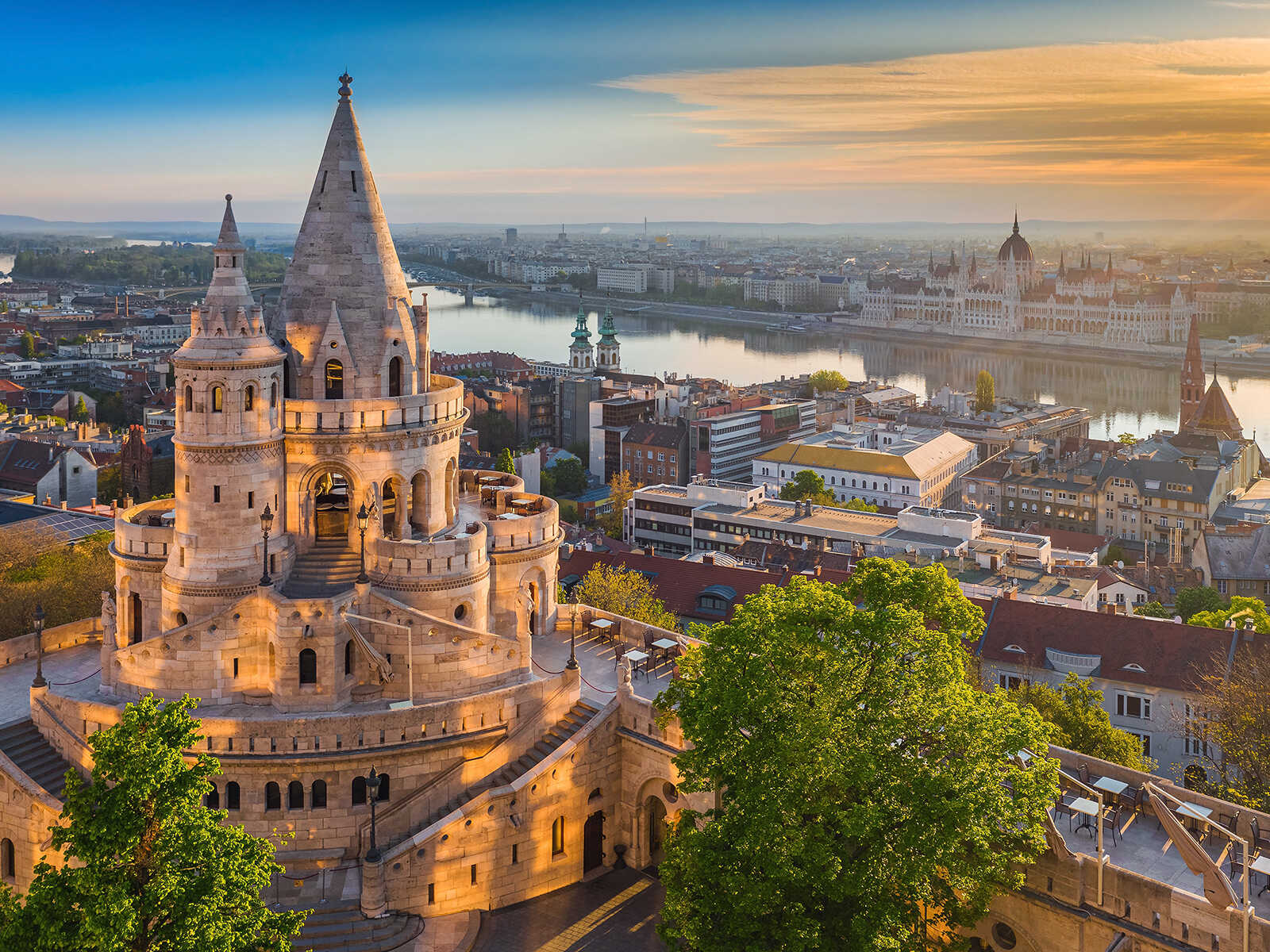
- National Symbols:Historic landmarks such as the Buda Castle,Fishermen’s Bastion, and Hősök tere(Heroes' Square) are not just tourist attractions but symbols of national identity and resilience.
A Few Basic Hungarian Phrases
While not expected to speak fluent Hungarian, learning a few basic phrases will earn you smiles and appreciation:
- Jó napot!(Yoh NAH-pot) – Good day!
- Szia!(See-yah) – Hi! (Informal)
- Köszönöm.(Koe-seh-nehm) – Thank you.
- Kérem.(Kay-rehm) – Please / You're welcome.
- Bocsánat.(Boh-CHAH-naht) – Excuse me / Sorry.
- Igen.(Ee-gen) – Yes.
- Nem.(Nehm) – No.
Conclusion
Hungary offers a captivating blend of tradition and modernity, a culture shaped by centuries of history yet vibrantly alive today. By understanding and respecting its customs, traditions, and etiquette, you'll not only navigate your journey with ease but also gain a deeper, more meaningful appreciation for this incredible country and its people. So, prepare to immerse yourself, embrace the warmth of Hungarian hospitality, and discover the unique charm of Magyar culture!