
Best Time to Visit Grenada: A Seasonal Guide for Travelers
Grenada, the "Spice Isle" of the Caribbean, captivates visitors with its pristine beaches, lush rainforests, and vibrant culture. While this enchanting island offers a warm welcome year-round, understanding its distinct seasons can help you plan the perfect escape tailored to your preferences.
Understanding Grenada's Climate
Grenada enjoys a tropical climate characterized by consistently warm temperatures averaging around 80°F (27°C) throughout the year. The island experiences two primary seasons: a drier, cooler season and a wetter, more humid season. Both offer unique experiences, making Grenada a versatile destination for all types of travelers.
The Dry Season: December to May (Peak Season)
Weather & Crowds
The dry season is widely considered thebest time to visit Grenadafor many travelers. During these months, the island experiences less rainfall, lower humidity, and cooler, refreshing trade winds. Days are predominantly sunny, with clear skies and calm seas. This idyllic weather naturally attracts more tourists, making it Grenada's peak travel season. Expect busier resorts and popular attractions, especially around holidays like Christmas, New Year's, and Easter.
Activities & Events
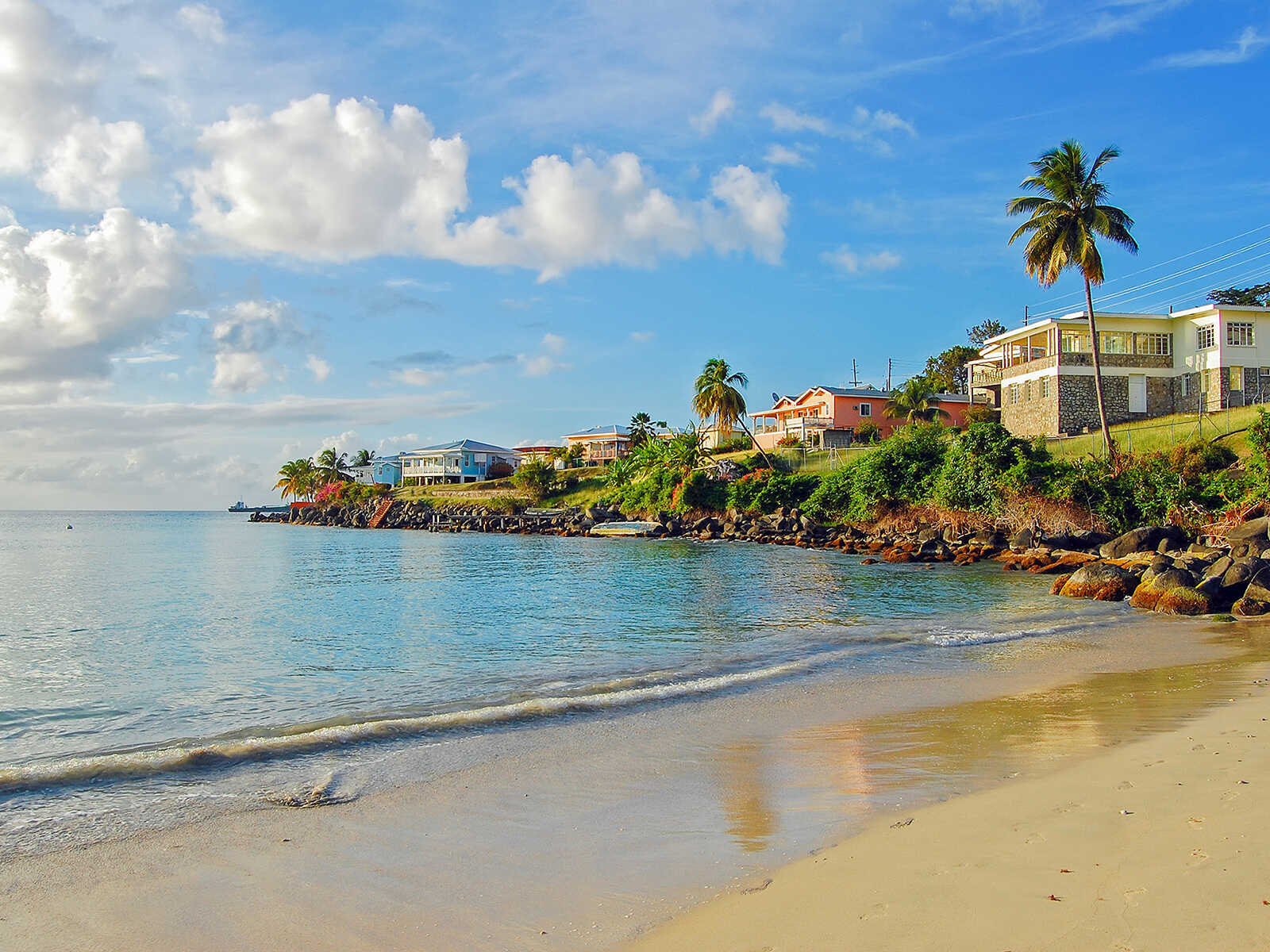
With perfect weather, the dry season is ideal for enjoying Grenada's world-class beaches. Spend your days relaxing on the golden sands of Grand Anse Beach, discovering the secluded beauty of Morne Rouge Bay, or exploring the tranquil shores of La Sagesse Beach. Water sports flourish, from snorkeling and diving at the Grenada Underwater Sculpture Park to sailing excursions around the island or to the Grenadine islands of Carriacou and Petite Martinique.
Hiking trails are also at their best, leading to stunning natural wonders like the serene Grand Etang Lake and the refreshing Annandale Falls. The dry season also hosts several popular events, including Grenada Sailing Week (typically late January/early February) and the Grenada Chocolate Festival (usually in May), celebrating the island's rich cocoa heritage.
Fun Fact:Grenada is the world's second-largest producer of nutmeg, earning it the nickname "Spice Isle." You'll find nutmeg flavoring everything from ice cream to rum punch!
Pros & Cons
- Pros:Excellent weather (sunny, low humidity, refreshing breezes), ideal for beach activities, diving, hiking, and sailing. Many festivals and events.
- Cons:Higher tourist numbers, leading to busier attractions and accommodations.
The Wet Season: June to November (Off-Peak Season)
Weather & Crowds
The wet season, also known as the rainy or hurricane season, brings higher humidity and more frequent rainfall to Grenada. However, "rainy season" can be misleading; showers often arrive in short, intense bursts, quickly giving way to sunshine. While there's an increased risk of tropical storms and hurricanes during this period, Grenada's southerly location places it generally outside the main hurricane belt, reducing direct impacts compared to other Caribbean islands.
Tourist numbers are significantly lower during these months, offering a more tranquil and authentic experience. You'll find fewer crowds at popular spots and a slower pace across the island.
Activities & Events
Despite the rain, the wet season transforms Grenada into a vibrant, lush paradise. The rainforests are at their most verdant, and waterfalls flow with impressive power. It's a fantastic time for nature photography and enjoying the island's natural beauty without the crowds. Exploring cultural sites like Fort George and the bustling The Carenage in St. George's is still very enjoyable, as are visits to local attractions such as the River Antoine Rum Distillery.
The absolute highlight of the wet season is Grenada's Carnival, known asSpicemas, typically held in August. This spectacular event features colorful parades, calypso music, elaborate costumes, and non-stop street parties, offering an unforgettable immersion into Grenadian culture.
Pros & Cons
- Pros:Fewer crowds, more authentic cultural experiences, lush green landscapes, potentially better deals on accommodations and flights, vibrant Spicemas carnival.
- Cons:Higher humidity, more frequent rainfall (though often brief), increased risk of tropical storms/hurricanes.
Shoulder Seasons: The Best of Both Worlds?
Consider visiting during the shoulder months – late May/early June and late November/early December. These periods often strike a fantastic balance, offering pleasant weather with fewer crowds and potentially more attractive rates than the peak dry season. You might experience occasional showers, but generally, conditions remain excellent for exploring Grenada's diverse attractions.
Special Considerations for Your Grenada Trip
Hurricane Season (June-November)
While Grenada's position typically offers some protection, it's wise to be aware of the hurricane season. If traveling during these months, consider purchasing comprehensive travel insurance that covers weather-related disruptions. Most resorts are well-prepared, and modern forecasting provides ample warning for any severe weather.
Festivals & Events
- Spicemas (August):Grenada's vibrant Carnival, a must-experience cultural spectacle.
- Grenada Sailing Week (January/February):A major event for sailing enthusiasts.
- Grenada Chocolate Festival (May):A delicious celebration of the island's cocoa industry.
- Carriacou Regatta (August):A traditional boat race and festival on Grenada's sister isle,Carriacou.
Budget Travel
If budget is a primary concern, the wet season (June-November) generally offers the best value. Lower demand often translates to reduced prices for flights and accommodations, allowing you to enjoy Grenada's charms without breaking the bank.
Nature Lovers
For those who love lush landscapes and powerful waterfalls, the wet season provides a spectacular backdrop as the island's foliage flourishes. Hikers might prefer the drier trails of the peak season, but the visual rewards of the wet season are undeniable.
Diving & Snorkeling
Grenada offers excellent diving and snorkeling year-round. The water temperature remains consistently warm, and visibility is generally very good. The dry season typically brings the calmest seas, which can be preferable for some, but the wet season doesn't significantly hinder underwater exploration.
The Verdict: When to Visit Grenada?
Ultimately, the "best" time to visit Grenada depends on your personal preferences:
- Forpicture-perfect beach weather, calm seas, and vibrant social scenes, aim for thedry season (December to May). Be prepared for more fellow travelers.
- For amore relaxed atmosphere, lush landscapes, cultural immersion (especially Spicemas), and potentially better value, thewet season (June to November)is an excellent choice.
- For a balance of good weather and fewer crowds, consider theshoulder months (late May/early June or late November/early December).
No matter when you choose to visit, Grenada's warmth, beauty, and rich culture are sure to provide an unforgettable Caribbean experience. From its stunning beaches and rainforests to its friendly people and delicious spices, the Spice Isle awaits your discovery.