
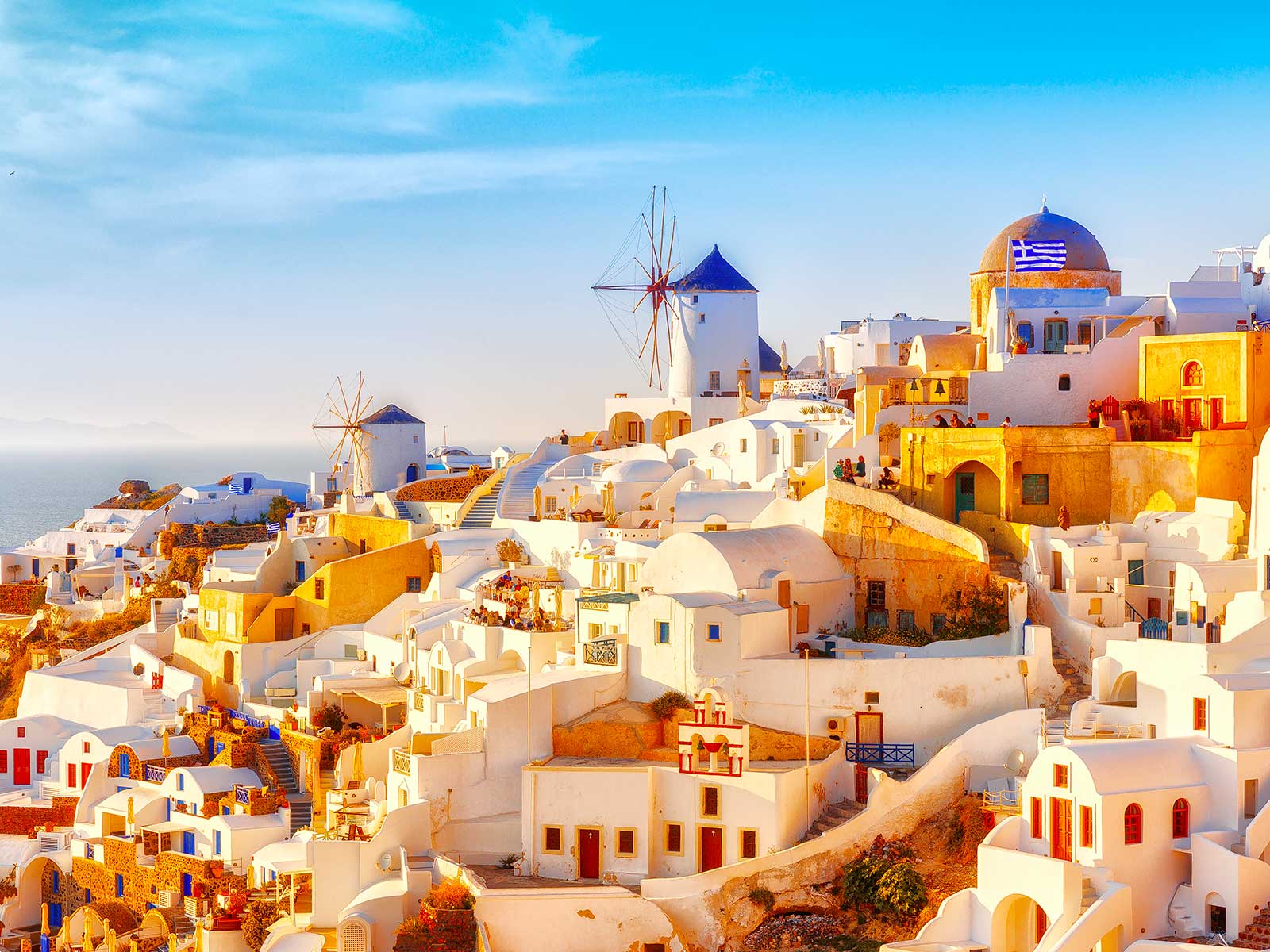
Understanding Greek Culture: Customs, Traditions & Etiquette
Venturing into Greece offers more than just stunning landscapes and ancient ruins; it's an immersion into a vibrant culture steeped in history and warmth. Understanding local customs, traditions, and etiquette is key to enriching your travel experience and forging genuine connections with the Greek people.
From the bustling streets of Thessaloniki to the serene clifftops of Santorini, Greek hospitality, known asphiloxenia, is a cornerstone of daily life. Embracing these cultural nuances will not only show respect but also unlock a deeper appreciation for this beautiful Mediterranean nation.
The Heart of Greek Culture: Philoxenia (Hospitality)
At the core of Greek culture liesphiloxenia, meaning "love of strangers" or hospitality. This isn't just a polite gesture; it's a deeply ingrained cultural value that dates back to ancient times. Guests are often treated like family, a tradition that you'll encounter whether you're dining in a taverna, staying in a guesthouse, or simply asking for directions.
Expect genuine warmth, offers of food and drink, and a willingness to help. Reciprocating with gratitude and an open mind is the best way to honor this cherished custom. A simple "Efharisto" (thank you) goes a long way.
Did you know?In ancient Greece, Zeus was considered the protector of guests and travelers (Zeus Xenios), emphasizing the divine importance of hospitality.
Social Etiquette: Greetings, Gestures & Personal Space
Navigating social interactions in Greece is generally straightforward, but a few pointers can help you feel more comfortable.
Greetings & Introductions
- Common Phrases:A friendly "Kalimera" (good morning) or "Kalispera" (good evening) will always be appreciated. "Yiasas" (hello/goodbye, formal/plural) or "Yiasou" (hello/goodbye, informal/singular) are versatile greetings.
- Handshakes:A firm handshake is standard for initial introductions.
- Cheek Kisses:Close friends and family often greet each other with a kiss on each cheek, especially among women, and sometimes between men and women. As a visitor, wait for the other person to initiate this.
- Eye Contact:Maintaining eye contact is considered a sign of sincerity and respect.
Gestures to Be Aware Of
While Greeks are expressive, there are a few gestures to avoid:
- The Moutza:Holding out an open palm with fingers spread wide is a highly offensive gesture. Be mindful of how you wave or signal. Instead, use a closed fist or wave with your entire hand.
- Head Nods:A slight downward nod typically means "yes," while an upward jerk of the head (often accompanied by clicking the tongue) means "no." This can be confusing for visitors, so pay attention to context.
Personal Space
Greeks generally have a closer personal space bubble than many Western cultures. Don't be surprised if people stand closer during conversations or if you experience more physical contact, such as a hand on your arm. This is usually a sign of friendliness and engagement.
Dining & Food Culture: More Than Just a Meal
Food is central to Greek life, deeply intertwined with family, celebration, and social bonding. Dining is often a leisurely affair, meant to be savored.
Eating Out
- Communal Eating:Meals, especially in tavernas, are often shared. Ordering a variety of mezedes (small plates) to share is common and highly recommended.
- Punctuality:Greeks can be relaxed about timing, especially for social gatherings. "Siga siga" (slowly, slowly) is a common phrase reflecting a more laid-back approach to life.
- Tipping:Tipping is appreciated but not always mandatory. Rounding up the bill or leaving an extra 5-10% for good service is customary in restaurants and cafes.
- Coffee Culture:Coffee is a huge part of daily life. Greeks enjoy lingering over a freddo espresso or frappe. Expect to see cafes buzzing from morning till late evening.
- "Kali Orexi!":This means "good appetite!" and is a common phrase before a meal.
Family & Community: The Core of Greek Life
Family is paramount in Greece. Extended families often live close by and maintain strong bonds. Respect for elders is deeply ingrained, and grandparents play a significant role in raising children.
You'll notice this emphasis on community in every village and town, from the island communities of Mykonos and Rhodes to the mainland villages of the Peloponnese. Social life often revolves around family gatherings, local cafes, and community events.
Religious Traditions: The Influence of the Greek Orthodox Church
The Greek Orthodox Church plays a significant role in Greek culture and identity. While not everyone is devout, its traditions shape many holidays, customs, and moral values.
Visiting Churches & Monasteries
When visiting religious sites, such as the historic monasteries of Meteora, the churches on the Acropolis of Athens, or the Byzantine churches of Thessaloniki, it's important to dress modestly. This typically means:
- Shoulders and knees covered:For both men and women.
- No shorts or sleeveless tops:Particularly for women. Some monasteries may provide wraps or skirts at the entrance.
- Respectful behavior:Speak softly, turn off your phone, and avoid disruptive photography during services.
Iconography is central to Orthodox worship; you'll see many beautiful icons revered by worshippers.
Celebrations & Festivals: A Calendar of Joy
Greek life is punctuated by numerous celebrations, many with religious roots or ancient origins.
- Easter (Pascha):This is the most significant religious holiday, often celebrated with immense fervor and traditional feasts. If you're in Greece during Orthodox Easter, you'll experience unique customs, including midnight church services and fireworks.
- Name Days:More important than birthdays for many Greeks, a Name Day celebrates the saint after whom a person is named. Friends and family visit to offer good wishes, often bringing small gifts or flowers.
- Panigyria:These are local village festivals, usually held in summer to honor a patron saint. They are vibrant affairs with traditional music, dancing, food, and wine, often found in smaller communities on islands like Corfu or in regions like Halkidiki.
- Carnival (Apokries):A lively period before Lent, celebrated with parades, costumes, and parties across the country.
Everyday Customs & Practical Tips
- Patience is a Virtue:The Greek pace of life can be slower than what you might be used to. Embrace "siga siga" – things will happen, just perhaps not as quickly as you expect.
- Bargaining:Bargaining is generally not customary in shops, restaurants, or hotels with fixed prices. However, in flea markets or for larger purchases like unique souvenirs in places like Nafplio, polite negotiation might be acceptable.
- Learning Basic Greek:Even a few words like "Efharisto" (thank you), "Parakalo" (please/you're welcome), "Kalimera" (good morning), and "Yiasas" (hello) will be met with appreciation.
- "Kalo Taxidi":This means "have a good trip" and is a warm farewell.
- Don't Flush Toilet Paper:In many older plumbing systems, especially on islands like Hydra or in historic towns, the pipes are narrow and can't handle toilet paper. Always use the small bin provided next to the toilet.
Embracing the Greek Way of Life
From the ancient sites of Delphi and Olympia to the stunning beaches of Zakynthos, Greece offers an incredible tapestry of experiences. By understanding and respecting Greek customs and traditions, you're not just a tourist; you're a welcomed guest participating in the rich cultural fabric of this captivating nation. Be open, be patient, and allow yourself to be charmed by the warmth and generosity of the Greek people.
Enjoy your journey, or as the Greeks would say, "Kalo Taxidi!"