
Greek Mythology: A Beginner's Guide to Gods, Heroes, and Legends
Embark on a captivating journey through the myths and legends that have shaped Greece's identity for millennia. Understanding Greek mythology isn't just about ancient stories; it's a vital key to appreciating the country's breathtaking archaeological sites, rich artistic heritage, and enduring cultural spirit.
The Foundations of Faith: Understanding Greek Mythology
Greek mythology is a collection of stories and beliefs from ancient Greece concerning their gods, goddesses, heroes, and the nature of the world. Far from mere fairy tales, these narratives served as explanations for natural phenomena, human behavior, and the origins of their civilization. They profoundly influenced ancient Greek religion, philosophy, art, and literature, leaving an indelible mark on Western culture.
The Olympian Pantheon: A Divine Family
At the heart of Greek mythology stand the twelve Olympian gods and goddesses, who resided atop Mount Olympus. These powerful, yet remarkably human-like deities, governed different aspects of the universe, often interacting with mortals and each other in dramatic and sometimes scandalous ways.
- Zeus:The mighty King of the Gods, ruler of the sky, thunder, and lightning. He presided over justice and order, often enforcing his will with a thunderbolt. Visitors to Olympia can still feel his presence at the site of his ancient sanctuary.
- Hera:Queen of the Gods and Zeus's wife, she was the goddess of marriage, women, childbirth, and family. Known for her majestic presence and fierce jealousy.
- Poseidon:Ruler of the seas, earthquakes, and horses, wielding a powerful trident. Sailors would often pray to him for safe passage.
- Hades:Lord of the Underworld and the dead. While often feared, he was not inherently evil, but rather a stern and just ruler of his dark domain.
- Athena:Goddess of wisdom, warfare, handicrafts, and strategic battle. Born from Zeus's head, she was the patron goddess of Athens, where the magnificent Parthenon on the Acropolis of Athens stands as her enduring tribute.
- Apollo:God of music, poetry, light, healing, and prophecy. His most famous sanctuary and oracle was located at Delphi, where the Pythia delivered his cryptic messages.
- Artemis:Twin sister of Apollo, she was the virgin goddess of the hunt, wilderness, wild animals, and childbirth.
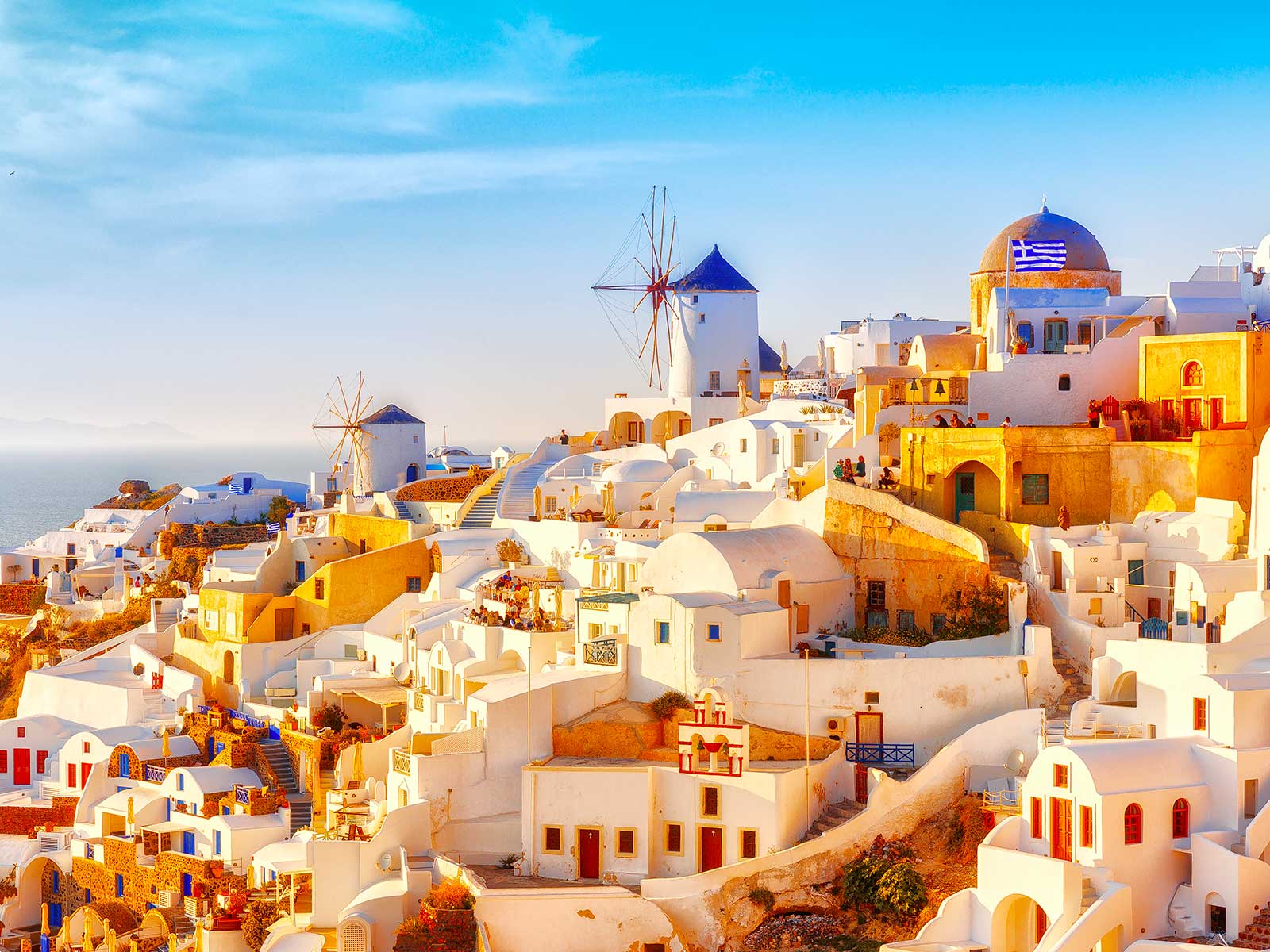
- Aphrodite:The goddess of love, beauty, pleasure, and procreation. Her legendary beauty is often associated with the idyllic landscapes of the Greek islands, such as the stunning vistas of Santorini.
- Ares:The god of war, representing the brutal, bloody, and untamed aspects of conflict.
- Hephaestus:The lame god of blacksmiths, craftsmen, artisans, sculptors, metals, metallurgy, fire, and volcanoes. He forged weapons and tools for the gods.
- Hermes:The swift messenger of the gods, guide to the Underworld, patron of travelers, merchants, and thieves.
- Demeter:Goddess of agriculture, fertility, harvest, and the seasons. Her grief over the abduction of her daughter Persephone explained the cycle of winter.
Greek gods were not distant, perfect beings; they often mirrored human flaws, engaging in petty squabbles, passionate love affairs, and acts of vengeance, making their stories relatable and eternally compelling.
Legendary Heroes and Their Epic Deeds
Beyond the gods, Greek mythology is rich with tales of extraordinary mortal heroes who achieved greatness through strength, cunning, and divine favor (or often, divine challenge).
- Heracles (Hercules):Renowned for his immense strength and courage, Heracles famously completed Twelve Labors, including slaying the Nemean Lion and the Lernaean Hydra. His exploits often took him across the Peloponnese, where many of his legendary feats unfolded.
- Theseus:The mythical founder-king of Athens, famous for bravely venturing into the Labyrinth to defeat the Minotaur.
- Perseus:The slayer of Medusa, a Gorgon whose gaze turned men to stone, and the rescuer of Andromeda. He is also linked to the founding of Mycenae.
- Odysseus:The cunning king of Ithaca, celebrated for his ten-year journey home after the Trojan War, recounted in Homer'sOdyssey. His voyage included encounters with sirens, cyclops, and the enchanting Phaeacians, often associated with Corfu.
- Achilles:The greatest warrior of the Trojan War, known for his near invulnerability and his tragic "Achilles' heel."
Many Greek hero myths explore themes of destiny versus free will, the consequences of hubris, and the enduring power of human courage in the face of insurmountable odds.
Mythical Creatures and Enduring Sagas
The Greek mythological landscape is populated by a fascinating array of creatures and complex narratives that continue to captivate audiences worldwide.
Monsters and Beasts
From the terrifying multi-headed Hydra to the one-eyed Cyclops, the seductive Sirens, and the winged Pegasus, these creatures often served as obstacles for heroes or symbols of primeval forces.
Famous Legends and Wars
- The Trojan War:An epic conflict sparked by the abduction of Helen by Paris of Troy. This ten-year war involved legendary figures like Achilles, Odysseus, and Hector, culminating in the ingenious trick of the Trojan Horse. Many Greek city-states, including those from Rhodes, contributed forces to this massive undertaking.
- Jason and the Argonauts:The adventurous tale of Jason and his crew of heroes sailing the Argo in search of the Golden Fleece.
- Oedipus Rex:A tragic saga of a man fated to kill his father and marry his mother, a prophecy famously delivered by the Oracle at Delphi.
Experiencing Mythology in Modern Greece
For travelers, Greece is not just a destination; it's an open-air museum where mythology comes alive. Visiting ancient sites allows you to walk in the footsteps of gods and heroes.
- Athens:The Acropolis of Athens, with the Parthenon dedicated to Athena, and the Acropolis Museum, are essential stops to grasp the city's mythological heart.
- Delphi:Explore the sanctuary of Apollo at Delphi, imagining the priestesses delivering their prophecies.
- Olympia:Wander through the birthplace of the Olympic Games and the sanctuary of Zeus at Olympia.
- Mycenae:Discover the cyclopean walls and Lion Gate of Mycenae, the legendary home of Agamemnon and a site associated with Heracles.
- Epidaurus:Visit the Sanctuary of Asclepius at Epidaurus, the god of medicine, and experience the incredible acoustics of its ancient theater.
- Rhodes:Learn about the Colossus of Rhodes, a massive statue of the sun god Helios, and explore the island's rich history tied to ancient heroes.
- Peloponnese:This entire region, the Peloponnese, is a treasure trove of mythological sites, from the ancient theater of Epidaurus to the ruins of Mycenae and Olympia.
Many local museums across Greece house artifacts that tell these ancient stories, from pottery depicting mythological scenes to statues of deities and heroes. Even the natural landscapes, like the dramatic volcanic beauty of Santorini, often inspire tales of divine power and ancient cataclysms.
Tips for Mythological Exploration
- Read Up Before You Go:A basic understanding of key myths will profoundly enhance your visits to archaeological sites.
- Hire a Guide:Local guides at major sites can bring the stories to life with expert knowledge and vivid storytelling.
- Visit Museums:Museums like the National Archaeological Museum in Athens or the museums at Delphi and Olympia offer invaluable context and display stunning artifacts.
- Embrace the Imagination:Allow yourself to imagine the gods walking among the ruins, and the heroes battling monsters in the very landscapes you explore.
Greek mythology is more than just ancient history; it's a living narrative that continues to resonate through the country's culture and landscapes. By delving into these timeless tales, you'll unlock a deeper, richer understanding of Greece and its enduring legacy.