
Greek Culture & Customs: Traditions, Etiquette & Social Norms
Greece, a land steeped in ancient history and vibrant traditions, offers travelers an unforgettable journey. Understanding its rich culture, customs, and social norms is key to a truly immersive experience, fostering deeper connections with locals and appreciating the unique Greek way of life.
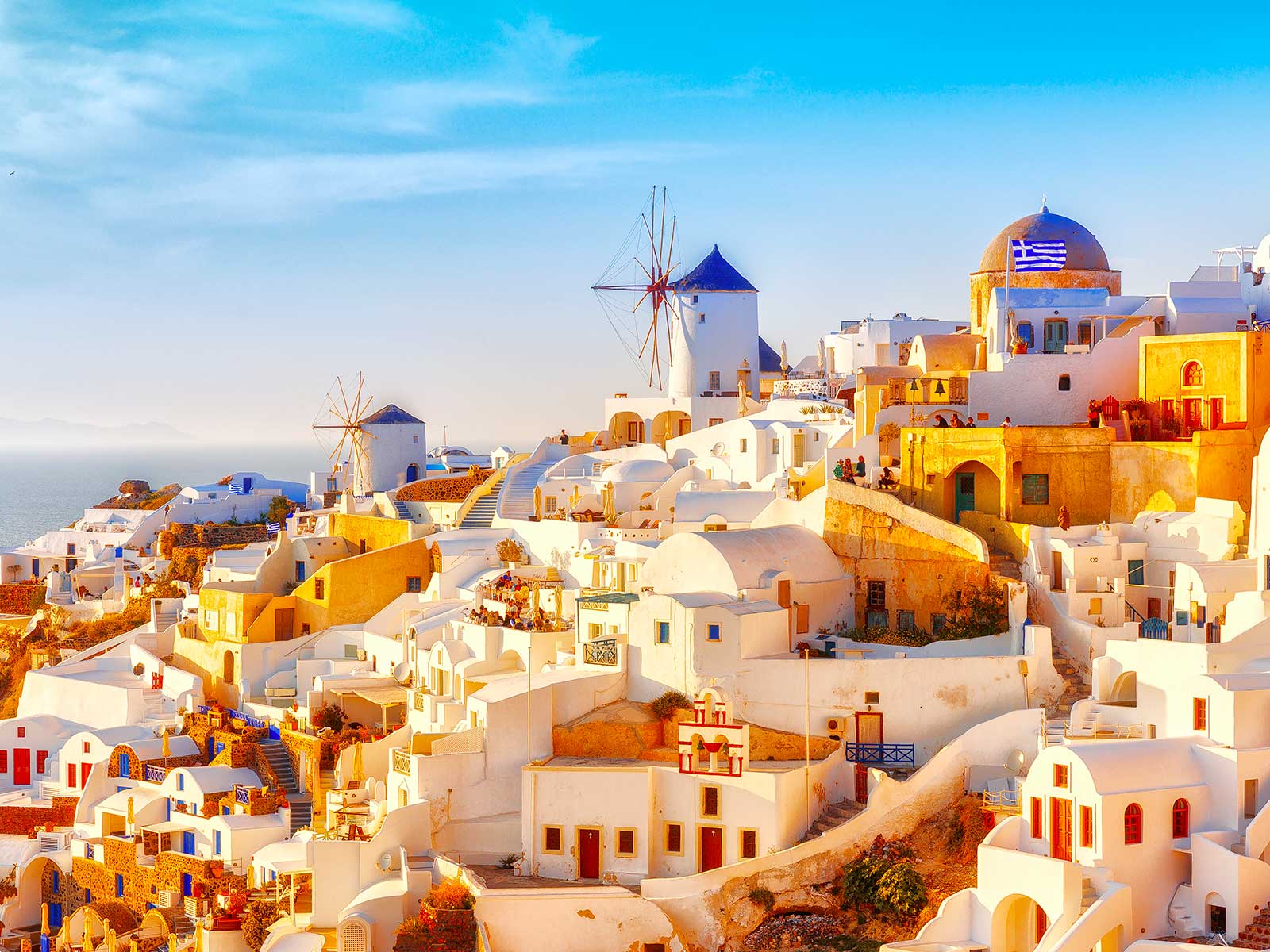
From bustling city centers like Thessaloniki and the historic heart of Athens to the serene islands of Santorini and Mykonos, the essence of Greek culture permeates every interaction.
The Heart of Greek Culture: Family & Community
At the core of Greek society lies the profound importance of family (oikogeneia) and community. This isn't just a concept; it's a way of life, deeply ingrained in the national psyche and expressed through the revered concept offilotimo.
- Filotimo:More than just "honor," filotimo encompasses pride, self-respect, generosity, dignity, and a strong sense of moral obligation towards others. It means doing the right thing, often going above and beyond for family, friends, and even strangers.
- Extended Family:Greeks maintain strong ties with their extended families, often including grandparents, aunts, uncles, and cousins in daily life and decision-making. Respect for elders is paramount.
- Community Spirit:Whether in a small village on Corfu or a neighborhood in the Peloponnese, community bonds are strong. Locals look out for one another, and social gatherings are frequent and lively.
Social Etiquette: Navigating Greek Interactions
Knowing a few key social cues can significantly enhance your interactions with locals.
Greetings & Introductions
- Handshakes:A firm handshake is the standard greeting for both men and women, especially when meeting someone for the first time.
- Cheek Kisses:Close friends and family members often greet each other with a kiss on each cheek (starting with the right). Don't initiate this unless you've developed a closer relationship or are explicitly invited.
- Addressing Elders:Always show respect to older individuals. Using formal titles like "Kyrie" (Mr.) or "Kyria" (Mrs.) followed by their surname, or simply avoiding overly casual language, is appreciated.
Hospitality (Filoxenia)
The Greek tradition offiloxenia(hospitality) is legendary. Guests are seen as a blessing, and locals often go out of their way to make you feel welcome.
- Accepting Offers:If offered a drink, a small snack, or help, it's polite to accept, even if only a small amount. Refusing too quickly can be seen as impolite.
- Bringing Gifts:If invited to someone's home, a small gift like a bottle of wine, pastries, or flowers is a thoughtful gesture.
- Dining:Meals are social events. Wait to be seated and often expect dishes to be shared. It's common for the host to insist on paying the bill when dining out, especially with new acquaintances.
Body Language & Gestures
Some gestures have different meanings in Greece:
- The Nod:A slight upward nod of the head (sometimes accompanied by a clicking sound) means "no." A downward nod means "yes." This can be confusing for visitors!
- The "Moutza":Do not extend an open palm with splayed fingers towards someone. This gesture, known as a "moutza," is highly offensive.
- Eye Contact:Direct eye contact is generally a sign of sincerity and respect.
Dining & Food Culture: A Culinary Journey
Food is central to Greek life, deeply intertwined with social interactions and celebrations.
- Social Meals:Meals are rarely rushed and are almost always shared. Expect long, leisurely dinners, especially when dining out.
- Meze:Ordering a variety of small dishes (meze) to share is a common and highly recommended way to eat.
- Coffee Culture:Greek coffee and frappe are institutions. Enjoying a coffee can be an hours-long affair, often accompanied by lively conversation.
- Tipping:Tipping is not mandatory but is appreciated for good service. Rounding up the bill or leaving a few extra euros is customary in restaurants and cafes.
- Drinking:Ouzo, retsina, and local wines are popular. Drinking is usually done in moderation and socially, often accompanying a meal.
Fun Fact:The traditional Greek meal often starts late, especially dinner, which typically begins after 9 PM. Don't be surprised if restaurants are quiet before then!
Religious Traditions: The Role of the Greek Orthodox Church
The Greek Orthodox Church plays a significant role in the daily lives and cultural identity of Greeks.
- Major Holidays:Easter (Pascha) is the most important religious holiday, celebrated with immense fervor and unique traditions across the country, from Rhodes to Zakynthos.
- Name Days:More celebrated than birthdays, name days commemorate the saint after whom a person is named. Expect celebrations and well wishes for those whose name day it is.
- Visiting Churches & Monasteries:When visiting religious sites, such as the breathtaking monasteries of Meteora or ancient churches in Delphi, modest dress is expected. Shoulders and knees should be covered. Some monasteries provide wraps for visitors.
Celebrations & Festivals: Embracing Joy
Greeks love to celebrate, and the calendar is dotted with festivals and holidays.
- Panigiria:These local patron saint festivals are vibrant, often multi-day events featuring traditional music, dancing, food, and drink. They offer an authentic glimpse into local life.
- Carnival (Apokries):Leading up to Orthodox Lent, Carnival is celebrated with parades, costumes, and parties, especially lively in cities like Patras.
- National Holidays:Independence Day (March 25th) and Ohi Day (October 28th) are celebrated with military parades and national pride.
Dress Code & Appearance
While Greece is generally relaxed, a few guidelines for dressing can be helpful.
- Casual but Neat:For most everyday situations, casual attire is acceptable. However, Greeks tend to dress neatly, especially in the evenings or when going out.
- Modesty for Religious Sites:As mentioned, cover your shoulders and knees when entering churches, monasteries, or other religious sites.
- Beachwear:Reserve bikinis and swimming trunks for the beach or pool areas. Walking through towns or villages in revealing beachwear is generally frowned upon.
Understanding "Siga Siga" (Slowly, Slowly)
One of the most characteristic aspects of Greek culture is the relaxed pace of life, often encapsulated by the phrase "siga siga."
- Patience is Key:Things may move at a slower pace than you're accustomed to, especially service in restaurants or administrative processes. Embrace it!
- Punctuality:While generally appreciated, punctuality can be more flexible in social settings. Don't be surprised if your Greek friends arrive a little late for an informal gathering.
- Enjoy the Moment:"Siga siga" encourages savoring life, enjoying conversations, and not rushing. It's a philosophy that prioritizes quality of life over strict adherence to schedules.
Practical Tips for Travelers
To fully embrace Greek culture and customs during your visit:
- Learn Basic Phrases:A few words like "Kalimera" (good morning), "Kalispera" (good evening), "Efharisto" (thank you), and "Parakalo" (please/you're welcome) will go a long way.
- Observe & Adapt:Pay attention to how locals behave and try to adapt. This shows respect and willingness to engage.
- Be Patient & Flexible:Embrace the relaxed pace and don't get frustrated if things don't happen exactly on schedule.
- Engage with Locals:Greeks are generally friendly and curious. Don't shy away from conversation; it's often the best way to experience authentic culture.
- Explore Beyond the Tourist Traps:While popular destinations like Santorini and Mykonos offer undeniable charm, venturing to places like Nafplio,Halkidiki, or Hydra can offer a deeper dive into local life.
By understanding and respecting Greek culture and customs, you'll not only have a smoother trip but also a richer, more authentic, and memorable experience in this beautiful and hospitable country.