
Christmas in Greece: Festive Traditions & Holiday Cheer
While often celebrated for its sun-drenched islands and ancient ruins, Greece transforms into a wonderland of unique traditions and heartfelt celebrations during the Christmas season. Experience a blend of deep spirituality, warm family gatherings, and distinctive customs that offer a truly authentic winter holiday experience.
The Spirit of Greek Christmas: More Than Just a Day
Unlike some Western countries where Christmas Eve is the main event, the Greek holiday season, known as the "Dodekaimero" (Twelve Days), spans from Christmas Day (December 25th) through New Year's Day (January 1st) and culminates with Epiphany (January 6th). This period is rich with religious significance, community spirit, and age-old customs passed down through generations. It's a time for reflection, generosity, and strengthening family bonds, often with less emphasis on commercialism.
Traditional Decorations: The Karavaki vs. The Tree
While the Christmas tree has become increasingly popular in Greece, the traditional Greek Christmas decoration is thekaravaki, a small decorated boat. This custom dates back to ancient times and symbolizes the country's deep connection to the sea and its seafaring heritage. Traditionally, children would decorate small wooden boats and carry them from house to house while singing carols. Today, larger, illuminated karavakia often adorn public squares and harbors, especially in coastal towns and islands.
Did you know?The karavaki symbolizes a safe return home for sailors and a welcoming gesture for the New Year, representing new journeys and hope.
Festive Feasts and Sweet Delights
Greek Christmas cuisine is a delightful mix of savory and sweet. Family meals are central to the celebrations, bringing generations together around tables laden with traditional dishes.
The Christmas Table
On Christmas Day, the main meal often features roasted pork, a historical staple in many Greek households. Accompaniments typically include various vegetable dishes, salads, and plenty of local wine. The focus is on abundance and sharing, symbolizing prosperity for the year ahead.
Sweet Treats of the Season
No Greek Christmas is complete without its iconic sweets. These delicious pastries are prepared in large batches and shared with family, friends, and visitors:
- Melomakarona:These oval-shaped cookies are made with olive oil, semolina, and orange zest, then soaked in a fragrant honey syrup and sprinkled with crushed walnuts. They are incredibly moist and aromatic.
- Kourabiedes:Light, buttery shortbread cookies, typically flavored with almond and rosewater, then generously dusted with powdered sugar, resembling snow-covered mounds.
- Diples:Delicate, thin fried pastry dough, folded or rolled, and then drizzled with honey syrup and sprinkled with walnuts and cinnamon.
The Sounds of Christmas: Kalanda and Carols
A quintessential part of the Greek Christmas experience is the sound of children singingKalanda(carols). On the mornings of Christmas Eve, New Year's Eve, and Epiphany Eve, children go from door to door, often carrying small triangles, drums, or other instruments, singing traditional carols that bless the household and wish them well for the holidays. In return, they receive a small treat or a coin.
New Year's Day: Agios Vassilis and Vassilopita
New Year's Day, known asProtohronia, holds special significance in Greece as it's the day Greeks exchange gifts. This is because the Greek equivalent of Santa Claus isAgios Vassilis(Saint Basil), whose feast day is celebrated on January 1st. He is revered for his generosity and compassion.
Another beloved New Year's tradition is the cutting of theVassilopita, Saint Basil's Pie. This sweet bread or cake contains a hidden coin (flouri). The person who finds the coin in their slice is believed to have good luck for the entire year.
Epiphany: The Blessing of the Waters
The holiday season culminates on January 6th with Epiphany (Theofania), commemorating the baptism of Jesus Christ. This day is marked by the "Blessing of the Waters," a moving ceremony held at harbors, rivers, and lakes across Greece. A priest blesses the waters by casting a cross into them, and brave swimmers dive into the often-chilly water to retrieve it. Retrieving the cross is considered a great honor and brings good luck for the year.
Where to Experience Christmas in Greece
While the entire country embraces the holiday spirit, some destinations offer particularly enchanting experiences:
- Athens:The capital city,Athens, lights up spectacularly. Syntagma Square, the city's central plaza, features a grand Christmas tree and often a large illuminated karavaki. Stroll through the festive streets, enjoy the atmosphere in areas like Plaka, and visit the many churches for services. The city offers a vibrant mix of traditional and modern celebrations.
- Thessaloniki:Greece's second-largest city,Thessaloniki, is renowned for its festive spirit. Aristotelous Square becomes a hub of activity with decorations, markets, and events. The city's lively culinary scene also shines during the holidays.
- Corfu:The Ionian island of Corfu has a unique blend of Greek and Venetian traditions, making its Christmas celebrations particularly charming. Expect brass bands, traditional carols, and a picturesque old town.
- Nafplio:For a more romantic and picturesque setting, the historic town of Nafplio in the Peloponnese is an excellent choice. Its neoclassical architecture and Venetian fortress create a magical backdrop for the festive lights.
- Meteora:For a truly spiritual and awe-inspiring experience, visit Meteora. The ancient monasteries perched atop towering rock formations are even more mystical when viewed with a winter mist or a dusting of snow, offering a serene backdrop for reflection.
- Rhodes:If you're hoping for slightly milder weather, the island of Rhodes offers a charming festive experience, especially within its medieval Old Town.
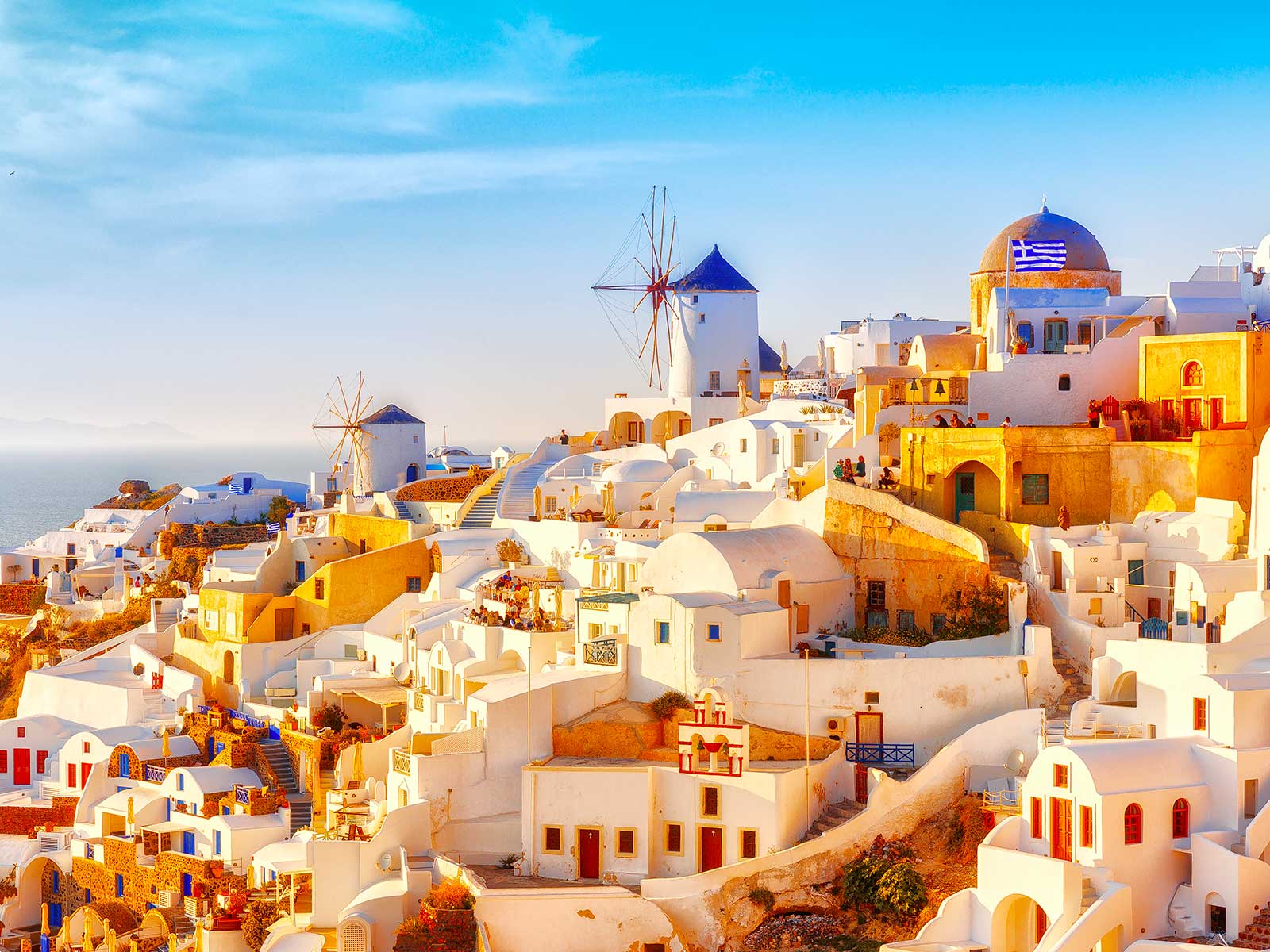
- Islands (Santorini, Mykonos, etc.):While quieter than in summer, islands like Santorini and Mykonos still offer a peaceful escape with local charm. Many businesses catering to tourists will be closed, but you can experience a more authentic, local-focused celebration.
Practical Tips for a Greek Christmas Visit
- Weather:December and January in Greece are typically cool, with average temperatures ranging from 5°C to 15°C (41°F to 59°F). Northern Greece and mountainous areas can experience snow. Pack layers, warm clothing, and waterproof outerwear.
- Crowds:Winter is generally the off-season for tourism, meaning fewer crowds at popular archaeological sites and attractions. However, cities will be bustling with locals celebrating.
- Opening Hours:While major attractions generally remain open, some smaller shops, museums, and restaurants might have reduced hours or close on Christmas Day, New Year's Day, and Epiphany. It's always best to check in advance.
- Transportation:Public transport generally operates, but frequencies might be reduced on public holidays. Ferries to islands might also be less frequent due to winter schedules and potential rough seas.
- Accommodation:You'll find good value on accommodation during the winter months, especially outside of major city centers during peak holiday periods.
Embrace the Greek Holiday Spirit
Christmas in Greece offers a captivating journey into a culture rich with faith, family, and timeless traditions. From the symbolic karavaki to the heartfelt carols and the significant Blessing of the Waters, it’s an experience that offers a deeper understanding of Greek life. If you're seeking a holiday season filled with authentic warmth, delicious food, and spiritual reflection, a Greek Christmas promises unforgettable memories.