
Best Time to Visit Greece: Island-Hopping & Weather Guide
Planning a dream trip to Greece involves more than just picking your perfect islands; understanding the seasonal weather and crowd dynamics is key to an unforgettable experience. From ancient ruins bathed in spring light to sun-drenched beaches buzzing in summer, Greece offers diverse charms throughout the year. This guide will help you navigate the best times to visit, whether you're dreaming of vibrant island-hopping or tranquil cultural exploration.
Understanding Greece's Climate: A Quick Overview
Greece enjoys a classic Mediterranean climate, characterized by hot, dry summers and mild, wet winters. However, regional variations exist. The islands, particularly the Cyclades, often experience strong "Meltemi" winds in July and August, which can be a welcome relief from the heat but may affect ferry travel. The mainland experiences more distinct seasonal changes, with cooler winters and hotter summers compared to the southern islands.
Spring (April - May): The Sweet Spot
For many, spring is the quintessential time to visit Greece. The country awakens from its mild winter, with landscapes bursting into lush greenery and wildflowers painting the hillsides.
Weather & Crowds
Temperatures are pleasantly mild, ranging from 18-25°C (64-77°F), making it ideal for sightseeing and outdoor activities. The scorching summer heat has yet to arrive, and the occasional spring shower is usually brief. Crucially, tourist crowds are significantly smaller than in peak summer, allowing for a more authentic and relaxed experience.
Island-Hopping
Ferry schedules begin to increase in frequency, connecting more islands. The seas are generally calm, and walking around charming villages without the intense heat or throngs of people is a true pleasure. Islands like Corfu and Kefalonia in the Ionian Sea, or the Dodecanese islands like Rhodes, are particularly beautiful with their blooming flora.
Activities
This is the perfect season for exploring ancient sites like the Acropolis of Athens,Delphi, or the historical wonders of the Peloponnese without overheating. Hiking trails are at their best, offering stunning views and comfortable conditions. Photography enthusiasts will appreciate the clear skies and vibrant natural colors.
Summer (June - August): Peak Season Buzz
Summer is synonymous with Greek island life – long, sunny days, warm waters, and a lively atmosphere. This is when Greece truly comes alive, especially its famous islands.
Weather & Crowds
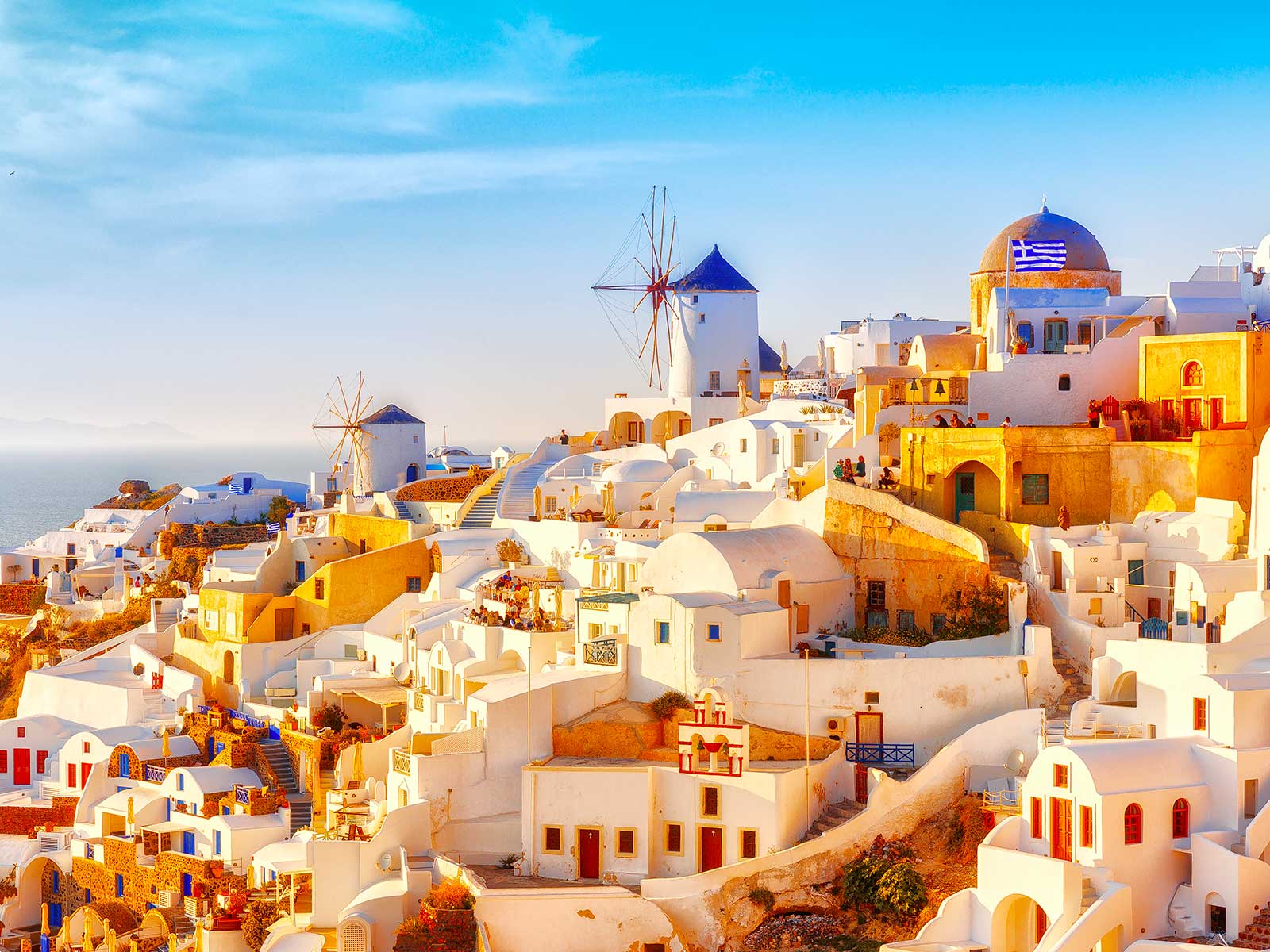
Expect hot temperatures, often exceeding 30°C (86°F), with plenty of sunshine. July and August are the hottest months and also the busiest. Popular destinations like Santorini,Mykonos, and Ios are packed with tourists, and accommodation and ferries need to be booked well in advance.
Island-Hopping
All ferry routes are fully operational, offering extensive connections between virtually all islands. The vibrant atmosphere is infectious, with beach bars, restaurants, and nightlife in full swing. The Aegean Sea is wonderfully warm, perfect for swimming and water sports. Islands like Zakynthos with its famous Shipwreck Beach, or the family-friendly shores of Halkidiki and Skiathos, are incredibly popular.
Activities
Beach relaxation, swimming, snorkeling, sailing, and experiencing the legendary Greek nightlife are the main draws. While sightseeing at ancient sites is still possible, it's best done early in the morning or late in the afternoon to avoid the midday sun.
Travel Tip:If visiting during July or August, be sure to book your flights, ferries, and accommodations several months in advance. Flexibility is limited, and popular spots fill up quickly.
Autumn (September - October): A Golden Retreat
Autumn offers a wonderful compromise between the vibrancy of summer and the tranquility of spring, often considered another "shoulder season" sweet spot.
Weather & Crowds
The intense summer heat begins to subside, but temperatures remain comfortably warm, typically ranging from 20-28°C (68-82°F). The sea retains its summer warmth, making swimming delightful. Crowds thin out considerably after the summer peak, especially after mid-September, leading to a more relaxed pace and easier movement.
Island-Hopping
Ferry schedules remain extensive throughout September, gradually reducing in October. The seas are generally calmer than in August, making for smoother journeys. It's an excellent time for island-hopping, allowing you to enjoy popular destinations like Rhodes or Corfu without the summer rush.
Activities
This is arguably the best time for a combination of beach time and cultural exploration. Enjoy swimming in warm waters, then explore charming towns like Nafplio or visit archaeological sites such as Mycenae,Epidaurus, and Olympia in comfortable conditions. Wine harvesting season also begins in autumn, offering unique local experiences, particularly in regions of the Peloponnese.
Winter (November - March): Off-Season Charm
Winter in Greece is the quietest season, offering a vastly different experience focused on local life and cultural immersion.
Weather & Crowds
Temperatures are cooler, ranging from 10-15°C (50-59°F), and there's a higher chance of rain, especially from December to February. Snowfall is rare on the islands but can occur in mountainous mainland regions. Tourist crowds are almost non-existent, providing a unique opportunity to experience Greece without the usual bustle.
Island-Hopping
Island-hopping becomes more challenging in winter. Many smaller islands significantly reduce ferry services, and some tourist-focused businesses close down. Larger islands like Crete, Rhodes, or Corfu maintain more year-round services and have larger local populations. Focus shifts to the mainland and larger cities.
Activities
Winter is ideal for city breaks in Athens or Thessaloniki, where museums, art galleries, and historical sites can be explored in peace. It's a great time for culinary tourism, enjoying hearty Greek winter dishes. Exploring the mystical monasteries of Meteora takes on an even more dramatic feel amidst winter mists. Some mountainous regions offer skiing, a surprising fact to many.
Island-Hopping Logistics: Seasonal Considerations
Your island-hopping strategy will heavily depend on the season:
- Ferry Schedules:High season (June-August) boasts the most frequent and diverse ferry routes, including high-speed options. Shoulder seasons (April-May, September-October) still offer good connectivity, though less frequent. Winter sees significantly reduced schedules, with some routes even stopping entirely. Always check schedules in advance, especially for smaller islands or during off-peak times.
- Accommodation:During peak summer, booking ferries and accommodation months ahead is crucial. Prices are at their highest. In the shoulder seasons, you might find better deals and more flexibility. Winter offers the lowest prices, but fewer options are open.
- Which Islands:While popular islands like Santorini and Mykonos are known for summer vibrancy, they also offer a calmer beauty in spring and autumn. Islands like Hydra, being car-free and close to Athens, are lovely for a quick, relaxed getaway year-round.
Tailoring Your Trip: Which Season is Right for You?
- For Beach & Swimming Enthusiasts:June to early October, with July and August being the hottest and liveliest.
- For Culture & History Buffs:April, May, September, and Octoberoffer comfortable temperatures for exploring ancient sites. Winter is great for city museums.
- For Hikers & Nature Lovers:April, May, and Octoberprovide ideal weather and lush landscapes.
- For Budget-Conscious Travelers:Theshoulder seasons (April-May, September-October)offer a good balance of weather and value. Winter is the cheapest, but with limited options.
- For Party Seekers:July and Augustare undeniably the peak for nightlife, especially on islands like Mykonos and Ios.
Final Tips for Your Greek Adventure
- Book Ahead:Especially for flights and popular ferry routes during high season.
- Pack Smart:Layers are key for spring and autumn. Sunscreen, hats, and light clothing are essential for summer. A light jacket might be needed for evenings, even in summer.
- Stay Hydrated:Greece gets hot! Drink plenty of water, especially when exploring.
- Embrace the Pace:Greek life moves at a different rhythm. Relax, enjoy the moments, and don't rush.
Ultimately, the "best" time to visit Greece depends on your personal preferences and what you hope to experience. Whether you seek vibrant summer energy, tranquil spring blossoms, or reflective autumn hues, Greece offers a captivating journey in every season. Choose your moment, and prepare for an unforgettable adventure.