
Ancient Greece for Travelers: Mythology, Ruins & History
Embark on an unforgettable journey through the cradle of Western civilization, where every stone tells a story of gods, heroes, and groundbreaking achievements. Greece offers a unique opportunity to walk among the very ruins that inspired democracy, philosophy, and epic tales, making it a dream destination for history enthusiasts and curious travelers alike.
The Enduring Legacy of Ancient Greece
Ancient Greece, a civilization that flourished for centuries, laid many foundations for the modern world. From its innovative political systems and philosophical thought to its dramatic arts, scientific inquiry, and architectural marvels, the impact of ancient Greeks resonates globally. Travelers today can immerse themselves in this rich heritage, exploring archaeological sites, magnificent museums, and landscapes steeped in legend.
Mythology: Stories that Shaped a Civilization
Greek mythology is more than just a collection of tales; it was a fundamental aspect of ancient Greek life, influencing their religion, art, literature, and even their understanding of the natural world. From the mighty Zeus on Mount Olympus to the heroic feats of Hercules and the cunning Odysseus, these narratives provide a captivating backdrop to any visit.
Understanding the myths can deepen your appreciation for the ruins. Imagine the Oracle at Delphi delivering prophecies, or picture the legendary battles fought at sites like Mycenae. The gods and goddesses were integral to daily life, honored with grand temples and elaborate rituals, many of which you can still explore.
Did you know?The twelve Olympian gods and goddesses were believed to reside on Mount Olympus, Greece's highest mountain. Their stories often explained natural phenomena and human behavior.
Iconic Ruins: Stepping Back in Time
Greece is an open-air museum, boasting an unparalleled concentration of ancient ruins. Each site offers a unique window into a glorious past, allowing you to walk in the footsteps of legends.
Athens: The Heart of Ancient Greece
No journey into ancient Greece is complete without exploring the Acropolis of Athens. This iconic flat-topped rock hosts some of the world's most famous ancient structures:
- The Parthenon:Dedicated to the goddess Athena, this Doric temple is a masterpiece of classical architecture, symbolizing the power and artistic prowess of ancient Athens.
- The Erechtheion:Known for its distinctive Caryatids, statues of draped female figures serving as columns, this temple is dedicated to both Athena and Poseidon.
- The Propylaea:The monumental gateway to the Acropolis.
- The Temple of Athena Nike:A small, elegant temple honoring Athena as the goddess of victory.
Below the Acropolis lies theAncient Agora, the vibrant heart of ancient Athenian life. This marketplace and civic center was where Socrates lectured, democracy was debated, and daily life unfolded. TheTemple of Hephaestus, one of the best-preserved ancient Greek temples, stands proudly here.
The Peloponnese: A Cradle of Civilizations
The Peloponnese peninsula is a treasure trove of ancient sites, easily explored from charming towns like Nafplio.
- Mycenae:A powerful Bronze Age city, home to the legendary King Agamemnon. Marvel at the colossal Lion Gate and explore the Treasury of Atreus, an impressive tholos tomb.
- Olympia:The birthplace of the Olympic Games. Wander through the ruins of the stadium, palaestra, and the temples of Zeus and Hera, imagining the ancient athletes competing for glory.
- Epidaurus:Famous for its remarkably preserved ancient theater, renowned for its extraordinary acoustics. Even a whisper on the stage can be heard in the highest rows. The site also includes the Sanctuary of Asclepius, the god of healing.
Central Greece: The Oracle's Domain
High on the slopes of Mount Parnassus,Delphi was considered the center of the world by the ancient Greeks. It was home to the most important oracle in the classical world, the Pythia, who delivered prophecies from Apollo. Explore the Sanctuary of Apollo, the Treasury of the Athenians, and the ancient stadium, all set against a breathtaking mountainous backdrop.
Other Notable Ancient Sites
While Athens,the Peloponnese, and Delphi form the core of an ancient Greece itinerary, other regions offer fascinating glimpses into the past:
- Rhodes:Though the famed Colossus of Rhodes no longer stands, the island boasts a rich ancient history, including the Acropolis of Lindos and the ancient city of Kamiros.
- Thessaloniki:While largely Roman and Byzantine, its roots stretch back to the Hellenistic period, offering a diverse historical tapestry.
Historical Periods & Their Impact
Understanding the timeline of ancient Greece helps contextualize the ruins you encounter:
- Minoan & Mycenaean Civilizations (c. 2700-1100 BCE):The earliest sophisticated cultures, particularly on Crete (Minoan) and the mainland (Mycenaean), known for their palaces, art, and early writing systems.
- Archaic Period (c. 800-500 BCE):The emergence of city-states (poleis), the development of the Greek alphabet, and early forms of democracy. This period saw the construction of early Doric and Ionic temples.
- Classical Period (c. 500-323 BCE):The golden age of Athens, marked by the Persian Wars, the flourishing of democracy, philosophy (Socrates, Plato, Aristotle), drama (Aeschylus, Sophocles, Euripides), and iconic architecture like the Parthenon.
- Hellenistic Period (c. 323-31 BCE):Following Alexander the Great's conquests, Greek culture spread across a vast empire, leading to new artistic and scientific achievements, though political power shifted.
- Roman Period (31 BCE - 330 CE):Greece became a province of the Roman Empire. Romans admired Greek culture, preserving many sites and adding their own impressive structures.
Practical Tips for Exploring Ancient Sites
To make the most of your historical immersion, keep these tips in mind:
- Best Time to Visit:Spring (April-May) and Autumn (September-October) offer pleasant weather, fewer crowds, and lush landscapes, ideal for exploring outdoor sites. Summers can be very hot, especially at midday.
- What to Wear:Comfortable walking shoes are essential, as many sites involve uneven terrain. Sun protection (hat, sunscreen, sunglasses) is crucial, and lightweight clothing is recommended.
- Stay Hydrated:Carry plenty of water, especially during warmer months.
- Guided Tours:Consider hiring a licensed guide or joining a small group tour for an in-depth understanding of the history and mythology behind the ruins. Audio guides are also a good option.
- Museums:Complement your site visits with trips to archaeological museums. The Acropolis Museum in Athens and the National Archaeological Museum are world-class institutions that house artifacts recovered from these very sites, providing invaluable context.
Travel Tip:Many archaeological sites and museums offer reduced admission fees for EU citizens under 25, and sometimes for students with valid ID. Always check current policies.
Beyond the Ruins: Modern Greece's Ancient Echoes
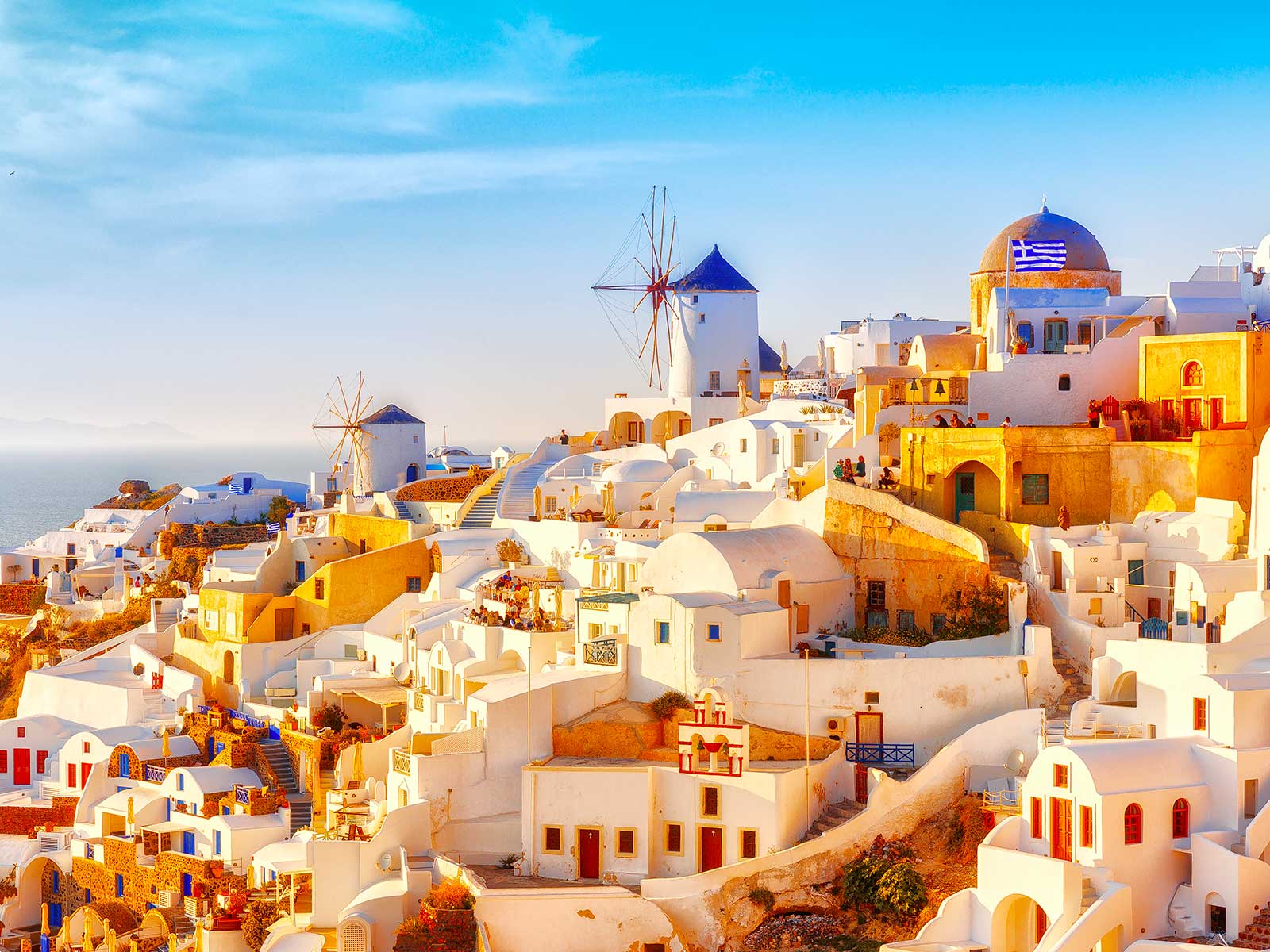
While the ruins are magnificent, the legacy of ancient Greece is not confined to archaeological parks. Its influence is palpable in modern Greek language, art, philosophy, and even its democratic ideals. After a day of exploring, you can relax by the Aegean Sea, perhaps on islands like Santorini or Mykonos, reflecting on the profound history you've just witnessed, or explore cities like Thessaloniki which blend centuries of history.
Planning Your Ancient Greek Adventure
Whether you dedicate an entire trip to historical exploration or weave ancient sites into a broader Greek itinerary, the possibilities are endless. Combine the vibrant energy of Athens with the serene landscapes of the Peloponnese, or extend your journey to Delphi and other mainland gems. Greece offers a captivating blend of sun, sea, and millennia of history, promising an enriching experience for every traveler.
Prepare to be awestruck by the sheer scale of human achievement and the enduring power of stories that began thousands of years ago in this remarkable land.