
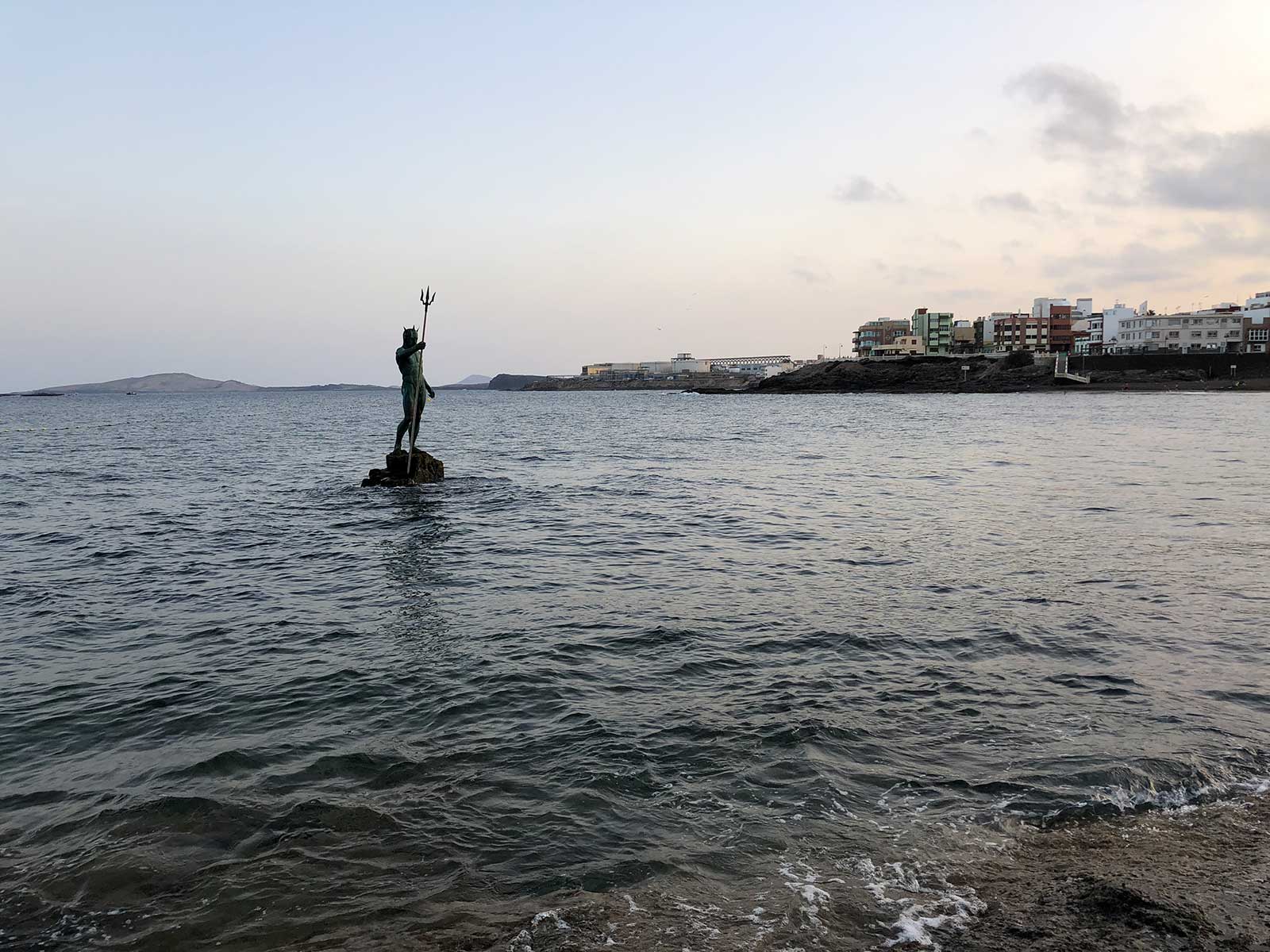
Gran Canaria with a Drone: Best Spots and Regulations
Gran Canaria, a jewel of the Atlantic, offers a dramatic tapestry of landscapes, from soaring volcanic peaks to golden sand dunes and rugged coastlines. For drone enthusiasts, it presents an unparalleled opportunity to capture breathtaking aerial photography and videography. However, navigating the island's diverse terrain with a drone requires a thorough understanding of local regulations and a keen eye for responsible flying.
Navigating Drone Regulations in Gran Canaria (Spain & EU)
Before you even consider launching your drone, it's paramount to familiarize yourself with the current legal framework. As part of Spain, Gran Canaria adheres to both Spanish national laws and the broader European Union Aviation Safety Agency (EASA) regulations, which came into effect in 2021. Ignorance of these rules is not an excuse, and violations can lead to significant fines and legal consequences.
Key Regulatory Bodies
The primary authority overseeing drone operations in Spain is the Agencia Estatal de Seguridad Aérea (AESA), the Spanish Aviation Safety Agency. AESA implements and enforces the EASA regulations, so their guidelines are your go-to source for official information.
Drone Categories & Registration
Most recreational drone pilots will fall under the "Open Category" (A1, A2, A3), which covers drones used for non-commercial purposes with certain operational limitations. Key requirements include:
- Pilot Registration:If your drone weighs 250 grams or more, or if it's equipped with a sensor capable of capturing personal data (like a camera), you must register as a drone operator with AESA. This provides you with an operator ID that needs to be affixed to your drone.
- Pilot Competency:For drones over 250g, you'll generally need to complete online training and pass an online theoretical exam to obtain a certificate of competency (A1/A3). More advanced operations (A2) require additional training and a self-declaration of practical skills.
- Insurance:Third-party liability insurance is mandatory for all drones, regardless of weight, when operating in Spain. Ensure your policy covers drone operations in the EU.
No-Fly Zones & Restricted Areas
Gran Canaria, despite its vast open spaces, has numerous areas where drone flight is restricted or completely prohibited. It is your responsibility to know these zones:
- Airports:Strict no-fly zones exist around Gran Canaria Airport (GCLP) and any other aerodromes. Generally, this extends to an 8 km radius from the runway ends and a 6 km radius from the runway sides.
- Military Installations:Any military bases or restricted airspace are off-limits.
- Populated Areas:Flying over crowds of people or densely populated urban areas is generally restricted or requires specific permissions under the Open Category.
- Protected Natural Areas:This is crucial for Gran Canaria. Many of the island's most scenic spots, including national parks, natural monuments, and special conservation zones, are strictly protected.Flying drones in these areas is often prohibited to protect wildlife and natural habitats, or requires specific permits from environmental authorities.
- Archaeological Sites:Areas like Cueva de Cuatro Puertas are protected heritage sites where drone flight is typically forbidden to prevent damage and maintain respect for historical integrity.
- Private Property:Always obtain permission before flying over private land.
Crucial Tip:The official Spanish app,Enaire Drones, is an indispensable tool. It provides real-time information on restricted airspace and no-fly zones across Spain, including Gran Canaria. Download it and check your flight path every single time.
Top Drone Photography Spots in Gran Canaria (with Important Caveats)
While Gran Canaria offers incredible vistas, many of the most iconic locations are also highly protected. Always verify local restrictions using the Enaire Drones app and local signage before flying. When in doubt, it's always best to keep your drone grounded.
Majestic Mountains & Volcanic Landscapes
The island's interior is a geological marvel, offering dramatic canyons, ancient calderas, and towering peaks. While the views from these spots are magnificent, drone flight is often severely restricted or prohibited due to their status as protected natural monuments.
- Roque Nublo:This iconic natural monument is a symbol of Gran Canaria. While the viewsfromthe Roque Nublo are breathtaking, flying dronesaround or overRoque Nublo is strictly prohibited as it is a protected natural space and a UNESCO World Heritage site. Enjoy its majesty from the ground.
- Pico de las Nieves:As the highest point on the island,Pico de las Nieves offers panoramic views stretching across the entire island and even to Tenerife on a clear day. However, like Roque Nublo, this area is within a protected natural park, making drone flight highly restricted or forbidden.
- Caldera de Bandama:This impressive volcanic crater provides a dramatic backdrop. While the sheer scale is captivating, the Caldera de Bandama is a protected natural monument, and drone operations are likely prohibited within its boundaries to protect its unique flora and fauna.
For these mountain areas, consider driving to accessible viewpoints and capturing stunning ground-level photography instead. If you find less protected, open areas in the mountains, ensure you are far from roads, people, and any protected flora or fauna.
Coastal Wonders & Dunes
Gran Canaria's diverse coastline offers rugged cliffs, golden beaches, and unique dune systems.
- Natural Dune Reserve of Maspalomas:The Maspalomas Dunes are one of Gran Canaria's most famous landmarks. However, this is a Special Nature Reserve, anddrone flight directly over the dunes is strictly prohibitedto protect the fragile ecosystem and migratory birds. You may be able to capture aerials from the periphery, facing towards the dunes, ensuring you stay well clear of the protected area, crowds, and the lighthouse. Always consult Enaire Drones for the exact no-fly boundaries.
- Mirador del Balcón:Located on the dramatic west coast,Mirador del Balcón offers incredible cliff views, especially at sunset. This area might offer more opportunities for drone flight due to its less populated and rugged nature, but always check for specific local restrictions, wind conditions, and ensure you are not flying over the road or any people.
- Remote Beaches & Coves:Away from the main tourist hubs, Gran Canaria has many secluded beaches and coves that could offer great drone opportunities. Seek out less crowded spots, always maintain a safe distance from people, and be mindful of any local environmental protections.
Essential Tips for Drone Pilots in Gran Canaria
To ensure a safe, legal, and enjoyable drone experience on the island, keep these tips in mind:
- Always Check the Enaire Drones App:This cannot be stressed enough. It's the definitive source for real-time no-fly zones in Spain.
- Monitor Weather Conditions:Gran Canaria can experience strong and unpredictable winds, especially in mountainous and coastal areas. High winds can make drone flight dangerous or impossible. Always check forecasts for wind speed and direction.
- Battery Management:High temperatures can affect battery performance. Plan your flights with extra battery life to account for unexpected conditions.
- Respect Privacy:Never fly over private property without permission, and avoid filming individuals without their explicit consent.
- Environmental Awareness:Be extremely mindful of wildlife, especially nesting birds or marine life. Do not disturb animals with your drone.
- Keep Visual Line of Sight (VLOS):You must always be able to see your drone with your own eyes (not just through the screen).
- Maintain Altitude Limits:The maximum allowed altitude for open category drones is 120 meters (approximately 400 feet) above the ground.
- Carry Documentation:Always have your drone operator registration, pilot competency certificate, and proof of insurance readily available.
"Capturing the beauty of Gran Canaria from above is a privilege. With that privilege comes the responsibility to adhere to regulations, respect the environment, and ensure the safety and privacy of others."
Enjoying Gran Canaria Responsibly
Gran Canaria is an island of unparalleled beauty, and flying a drone here can provide a unique perspective. By thoroughly understanding and adhering to the regulations, choosing your flight locations wisely, and always prioritizing safety and respect for the environment and its inhabitants, you can contribute to preserving this stunning destination while capturing incredible memories. Fly smart, fly safe, and enjoy the breathtaking vistas of Gran Canaria.