
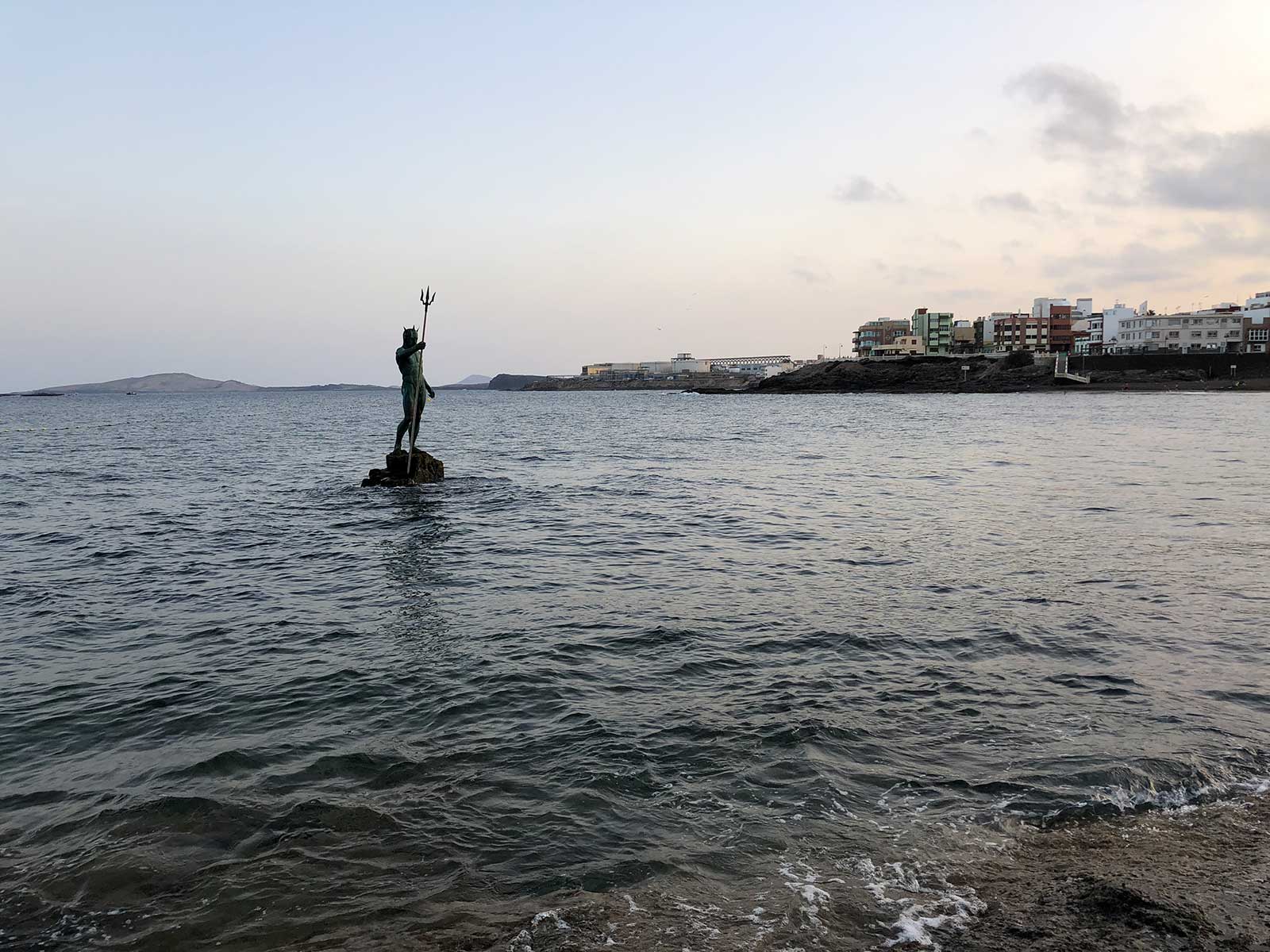
Gran Canaria Hiking Trails: Explore the Island's Mountains and Coast
Gran Canaria, often celebrated for its golden beaches, holds a secret paradise for adventurers: a vast network of hiking trails. From ancient volcanic peaks to verdant ravines and dramatic coastal paths, the island offers an unparalleled diversity of landscapes just waiting to be explored on foot.
Why Hike Gran Canaria?
This Canary Island gem is a hiker's dream, boasting an incredible array of ecosystems packed into a relatively small area. Often dubbed a "miniature continent," Gran Canaria transitions from arid desert-like dunes in the south to lush laurel forests in the north, and rugged volcanic calderas in the center.
- Diverse Landscapes:Experience everything from pine forests and deep ravines to towering peaks and dramatic coastal cliffs.
- Year-Round Climate:Enjoy mild temperatures for hiking almost any time of the year, though summer can be hot in the south and at lower altitudes.
- Well-Maintained Network:A comprehensive network of clearly marked trails, including ancient "caminos reales" (royal paths), caters to all fitness levels.
Preparing for Your Hike
To ensure a safe and enjoyable experience, proper preparation is key. The island's terrain can be challenging, and weather conditions can change rapidly, especially in the mountains.
Essential Gear:
- Appropriate Footwear:Sturdy hiking boots or shoes with good grip are crucial for varied terrain.
- Water & Snacks:Carry more water than you think you'll need, especially on longer or more exposed trails. Energy-rich snacks are also vital.
- Sun Protection:Hat, sunglasses, and high-factor sunscreen are a must, even on cloudy days.
- Layers of Clothing:Temperatures can vary significantly between the coast and the mountains, and throughout the day.
- Map & Navigation:A physical map and/or a reliable GPS app on your phone are highly recommended.
- First-Aid Kit:For minor scrapes and blisters.
Safety Tips:
- Inform Someone:Let someone know your planned route and estimated return time.
- Check Weather Forecasts:Mountain weather can be unpredictable.
- Stick to Marked Trails:Avoid venturing off designated paths to prevent getting lost or disturbing fragile ecosystems.
- Start Early:Especially in warmer months, to avoid the midday sun and allow ample time for your chosen route.
Expert Tip:Many local guides offer guided hikes, providing valuable insights into the island's geology, flora, fauna, and history, while ensuring a safe journey.
Iconic Mountain Trails
The heart of Gran Canaria offers some of its most spectacular and challenging hikes, leading to breathtaking panoramic views.
Roque Nublo Circuit
One of Gran Canaria's most famous natural monuments, the Roque Nublo is a majestic volcanic rock formation. The hike to its base is relatively short and accessible, making it popular for all ages. Starting from the La Goleta car park, the path winds through pine forests before opening up to the dramatic plateau. The views from the top, especially at sunrise or sunset, are simply unforgettable, often extending to Tenerife's Mount Teide on clear days.
- Difficulty:Easy to Moderate
- Highlights:Iconic rock formation, panoramic views, diverse flora.
Pico de las Nieves Ascent
Reaching the highest point on Gran Canaria, the Pico de las Nieves(1,949m), offers unparalleled vistas across the entire island. While you can drive very close to the summit, several trails lead up to it from different directions, offering a more rewarding hiking experience. These routes often pass through ancient Canarian pine forests and provide a true sense of the island's rugged interior.
- Difficulty:Moderate to Challenging (depending on starting point)
- Highlights:Island's highest point, 360-degree views, ancient pine forests.
Caldera de Bandama Loop
Just a short drive from Las Palmas, the Caldera de Bandama offers a unique hiking experience into the heart of an extinct volcano. A challenging but rewarding trail descends into the caldera, allowing you to explore its fertile floor, dotted with endemic plant species and an old farm. The rim walk provides stunning views of the caldera itself, the surrounding countryside, and the northern coast.
- Difficulty:Moderate
- Highlights:Volcanic crater exploration, unique microclimate, geological interest.
Coastal and Valley Walks
Beyond the peaks, Gran Canaria's coastline and deep ravines offer equally captivating hiking opportunities, often with a different character and climate.
Barranco de Azuaje
Located in the north, the Barranco de Azuaje is one of Gran Canaria's greenest and most humid ravines. This protected natural area is a haven for endemic flora, including rare species of laurel forest. The trails here are shaded and follow the course of a small stream, offering a refreshing contrast to the drier south.
- Difficulty:Easy to Moderate
- Highlights:Lush vegetation, endemic species, peaceful atmosphere.
Natural Dune Reserve of Maspalomas Walk
For a truly unique experience, a walk through the Natural Dune Reserve of Maspalomas feels like stepping into a miniature desert. While not a traditional hike, traversing these golden dunes from Playa del Inglés to the Maspalomas Lighthouse offers incredible photographic opportunities and a sense of vastness. Remember to stick to marked paths to protect this fragile ecosystem.
- Difficulty:Easy (can be challenging walking on sand)
- Highlights:Desert-like landscape, unique ecosystem, iconic lighthouse.
Mirador del Balcón
On the island's rugged west coast, the area around the Mirador del Balcón offers dramatic coastal walks with breathtaking views of towering cliffs plunging into the Atlantic. While the viewpoint itself is accessible by car, numerous trails in the surrounding Parque Natural de Tamadaba provide a more immersive experience of this wild and spectacular coastline, often referred to as "Dragon's Tail" due to its jagged shape.
- Difficulty:Moderate to Challenging
- Highlights:Dramatic sea cliffs, stunning ocean views, untouched wilderness.
Historical and Cultural Hikes
Gran Canaria's trails aren't just about natural beauty; they also offer a journey through the island's rich history and culture.
Cueva de Cuatro Puertas
Discover the ancient aboriginal heritage of Gran Canaria by hiking to sites like the Cueva de Cuatro Puertas. This impressive archaeological complex of caves carved into a volcanic tuff mountain served as a ceremonial center for the indigenous Canarians. The walk to the site is easy and offers fascinating insights into the island's pre-Hispanic past.
- Difficulty:Easy
- Highlights:Aboriginal caves, historical significance, cultural insights.
Gran Canaria is crisscrossed by an extensive network of ancient paths, known ascaminos reales(royal paths), which were originally used by islanders for centuries to travel between villages and transport goods. Many of these have been restored and signposted for hikers.
Tips for Responsible Hiking
To preserve Gran Canaria's natural beauty for future generations, please follow these guidelines:
- Leave No Trace:Pack out everything you pack in. Do not leave any litter.
- Respect Wildlife & Flora:Do not disturb animals or pick plants. Many species are endemic and protected.
- Stay on Marked Paths:This helps prevent erosion and protects sensitive habitats.
- Minimize Noise:Enjoy the tranquility of nature and avoid loud conversations or music.
Conclusion
Gran Canaria is far more than a sun-and-sand destination; it's a paradise for hikers, offering an astonishing variety of trails that cater to every interest and fitness level. From the challenging ascents to volcanic peaks to serene walks through ancient forests and dramatic coastal paths, the island promises unforgettable adventures. Lace up your boots, embrace the spirit of discovery, and explore the breathtaking landscapes that make Gran Canaria truly unique.