
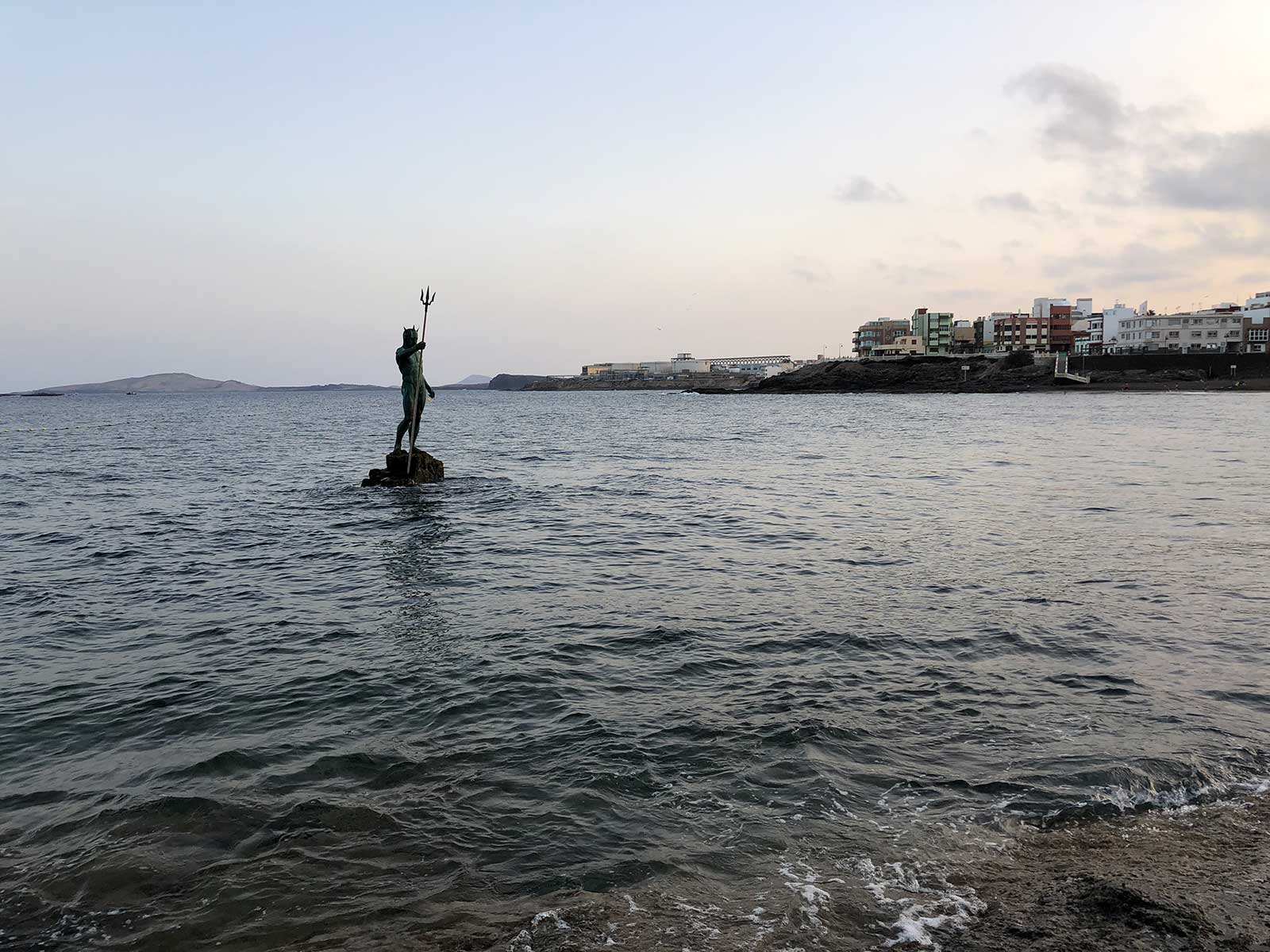
Gran Canaria Car Rental Guide: Explore the Island with Freedom
Unlocking the full beauty of Gran Canaria means venturing beyond the resorts and bustling towns. A rental car offers unparalleled freedom, allowing you to discover hidden beaches, charming mountain villages, and breathtaking viewpoints at your own pace. This comprehensive guide provides everything you need to know to make your Gran Canaria car rental experience smooth and enjoyable.
Why Rent a Car in Gran Canaria?
While public transport exists, it often follows fixed routes and schedules, limiting your exploration. Renting a car transforms your holiday into an adventure, offering several distinct advantages:
- Flexibility:Set your own itinerary, stop whenever a view catches your eye, and linger longer in places you love.
- Access to Hidden Gems:Many of Gran Canaria's most stunning natural wonders, authentic villages, and secluded beaches are only accessible by car.
- Convenience:Easily transport luggage, beach gear, or hiking equipment without hassle.
- Time-Saving:Cut down on travel time between destinations, maximizing your sightseeing opportunities.
Choosing Your Rental Car
Selecting the right vehicle is crucial for a comfortable and efficient journey around the island.
Vehicle Size and Type
- Compact Cars:Ideal for solo travellers or couples. They are fuel-efficient and easier to navigate narrow village streets and find parking in urban areas.
- Mid-range Cars:Offer more space and comfort for small families or groups, suitable for longer drives and carrying more luggage.
- SUVs:While not strictly necessary for most roads, an SUV can offer a higher driving position for better views and more comfort on winding mountain roads.
Manual vs. Automatic Transmission
Most rental cars in Europe, including Gran Canaria, are manual (stick shift). If you're accustomed to driving an automatic, ensure you specifically request one during booking, as they may be less readily available or come at a slightly higher cost.
Fuel Type
Most cars will be either petrol (gasoline) or diesel. Pay attention to the fuel type of your rental and ensure you use the correct one when refuelling. Diesel cars are often more fuel-efficient, especially for longer distances.
Booking Your Car Rental: Key Considerations
Planning ahead can save you time and money.
When to Book
It’s highly recommended to book your rental car in advance, especially during peak seasons (summer, Christmas, Easter). Early booking often secures better rates and a wider selection of vehicles.
Rental Companies
You'll find a mix of international brands (e.g., Avis, Hertz, Europcar, Sixt) and local companies (e.g., Cicar, Pluscar). Local companies often have competitive prices and a reputation for excellent service with transparent policies, sometimes including full insurance as standard.
Insurance Options
Understanding rental car insurance is vital:
- Basic Coverage (CDW):Collision Damage Waiver is usually included, covering damage to the rental car with an excess (deductible) that you are liable for.
- Full Coverage / Zero Excess:This upgrade eliminates or significantly reduces your excess, offering greater peace of mind.
- Third-Party Insurance:Often included, covering damage to other vehicles or property.
- Personal Accident Insurance (PAI):Covers medical expenses for you and your passengers.
Always read the terms and conditions carefully to understand what is covered and what is not. Consider your personal travel insurance, as some policies may offer car rental excess coverage.
Deposit and Payment
A credit card in the main driver's name is almost always required for the security deposit. Ensure your credit limit is sufficient to cover the deposit amount, which can vary significantly.
Age Requirements
The minimum age to rent a car in Gran Canaria is typically 21, though some companies may require drivers to be 23 or even 25. Drivers under 25 may also incur a "young driver surcharge."
Required Documents
When picking up your car, you’ll need:
- A valid driving license (held for at least 1-2 years).
- Your passport or national ID card.
- The credit card used for the booking and deposit.
- An International Driving Permit (IDP) if your license is not from an EU country or is not written in a Latin alphabet.
Picking Up Your Rental Car
Whether you pick up at Gran Canaria Airport (LPA) or a city location, a few steps can ensure a smooth start.
Airport vs. City Pick-up
Picking up at the airport is often the most convenient option upon arrival. City or resort pick-up points are available if you prefer to rent for only part of your trip.
Thorough Inspection
Before driving off, carefully inspect the vehicle for any existing scratches, dents, or damage. Take photos or a video with your smartphone as proof. Ensure any pre-existing damage is clearly noted on your rental agreement by the agent.
Understanding the Fuel Policy
The most common and recommended fuel policy is "full-to-full." This means you pick up the car with a full tank and return it full. Avoid "full-to-empty" policies, which often charge inflated prices for fuel and don't refund unused fuel.
Driving in Gran Canaria: What You Need to Know
Driving on Gran Canaria is generally straightforward, but there are a few local nuances to be aware of.
Road Conditions and Types
Gran Canaria boasts an excellent road network:
- Motorways (Autopistas):The GC-1 runs along the east and south coasts, connecting Las Palmas to Maspalomas. The GC-2 runs along the north coast. These are modern, well-maintained, and typically free of tolls.
- Main Roads (Carreteras Principales):These are generally good quality, connecting major towns and often providing scenic routes.
- Mountain Roads:Venturing into the island's interior, such as towards Roque Nublo or Pico de las Nieves, you'll encounter winding, sometimes narrow, but incredibly scenic roads. Drive cautiously, especially around blind corners, and be prepared for slow-moving traffic or cyclists.
Tip:Always check your fuel gauge before heading into the mountains. Petrol stations are less frequent in the interior, and mountain driving consumes more fuel.
Traffic Laws and Regulations
- Driving Side:Drive on the right-hand side of the road.
- Seatbelts:Mandatory for all occupants.
- Speed Limits:Generally 50 km/h in urban areas, 90 km/h on main roads, and up to 120 km/h on motorways (unless otherwise signposted).
- Mobile Phones:Illegal to use handheld phones while driving.
- Alcohol Limit:The legal blood alcohol limit is 0.05% (0.03% for new drivers).
- Roundabouts:Give way to traffic already on the roundabout.
Parking
Parking can be challenging in popular areas and cities like Las Palmas. Look out for:
- Blue Zones:Paid parking, indicated by blue lines. Pay at nearby meters (parquímetro).
- White Zones:Free parking, but often limited.
- Yellow Lines:No parking allowed.
- Underground Car Parks:Available in larger towns and cities for a fee, often the easiest option.
Navigation
A good GPS or a reliable smartphone app with offline maps (e.g., Google Maps, Waze, Maps.me) is highly recommended. Download maps before you set off, especially if exploring areas with limited mobile signal.
Popular Driving Routes and Destinations
Your rental car opens up a world of discovery across Gran Canaria.
South Coast Exploration
Head south on the GC-1 to explore the sun-drenched resorts of Playa del Inglés and Maspalomas. Don't miss the unique landscape of the Natural Dune Reserve of Maspalomas, easily accessible with parking nearby.
Central Mountains Adventure
Drive into the heart of the island for dramatic landscapes. The winding GC-60 takes you through charming villages like Fataga and San Bartolomé de Tirajana before reaching iconic landmarks like Roque Nublo and the highest point,Pico de las Nieves. The views from here are simply unforgettable.
North and East Discovery
Explore the lush, green north and historical east. Visit the capital, Las Palmas, or drive towards the volcanic crater of Caldera de Bandama for panoramic views. Further east, delve into indigenous history at Cueva de Cuatro Puertas, an ancient cave complex.
West Coast Scenic Drive
For a truly spectacular drive, take the GC-200 along the west coast. This route offers breathtaking cliffside views and dramatic scenery, including the stunning Mirador del Balcón with its famous "dragon's tail" cliffs. Be prepared for numerous twists and turns.
Returning Your Rental Car
Ensure a hassle-free return by following these simple steps:
- Fuel Policy:Refuel the car according to your rental agreement (e.g., full-to-full). Keep the receipt as proof.
- Timely Return:Return the car at the agreed time to avoid extra charges.
- Final Inspection:Do a quick check for any new damage before handing over the keys. If possible, have an agent inspect the car with you.
- Documentation:Ensure you receive a final receipt or confirmation of return.
FAQ: Gran Canaria Car Rental
Is it easy to drive in Gran Canaria?
Yes, driving is generally easy. Major roads are excellent, and while mountain roads can be challenging with their twists and turns, they are well-maintained. Just take your time and enjoy the scenery.
Do I need an International Driving Permit (IDP)?
If your driving license is issued by an EU country, you generally do not need an IDP. If your license is from outside the EU and not in a Latin alphabet, an IDP is legally required.
Are the roads safe in Gran Canaria?
Yes, Gran Canaria's roads are considered safe and are well-maintained. However, caution is always advised, especially on winding mountain routes and during adverse weather conditions.
Is parking difficult in Gran Canaria?
Parking can be challenging in city centres and popular tourist spots, particularly during peak season. Utilize underground car parks in cities and be aware of parking regulations (blue/white/yellow lines).
Conclusion
Renting a car in Gran Canaria is arguably the best way to experience the island's diverse landscapes and vibrant culture. It offers the freedom and flexibility to create your own adventure, from scaling volcanic peaks to discovering secluded coves. With this guide, you're well-equipped to hit the road and explore Gran Canaria with complete confidence and exhilaration.