
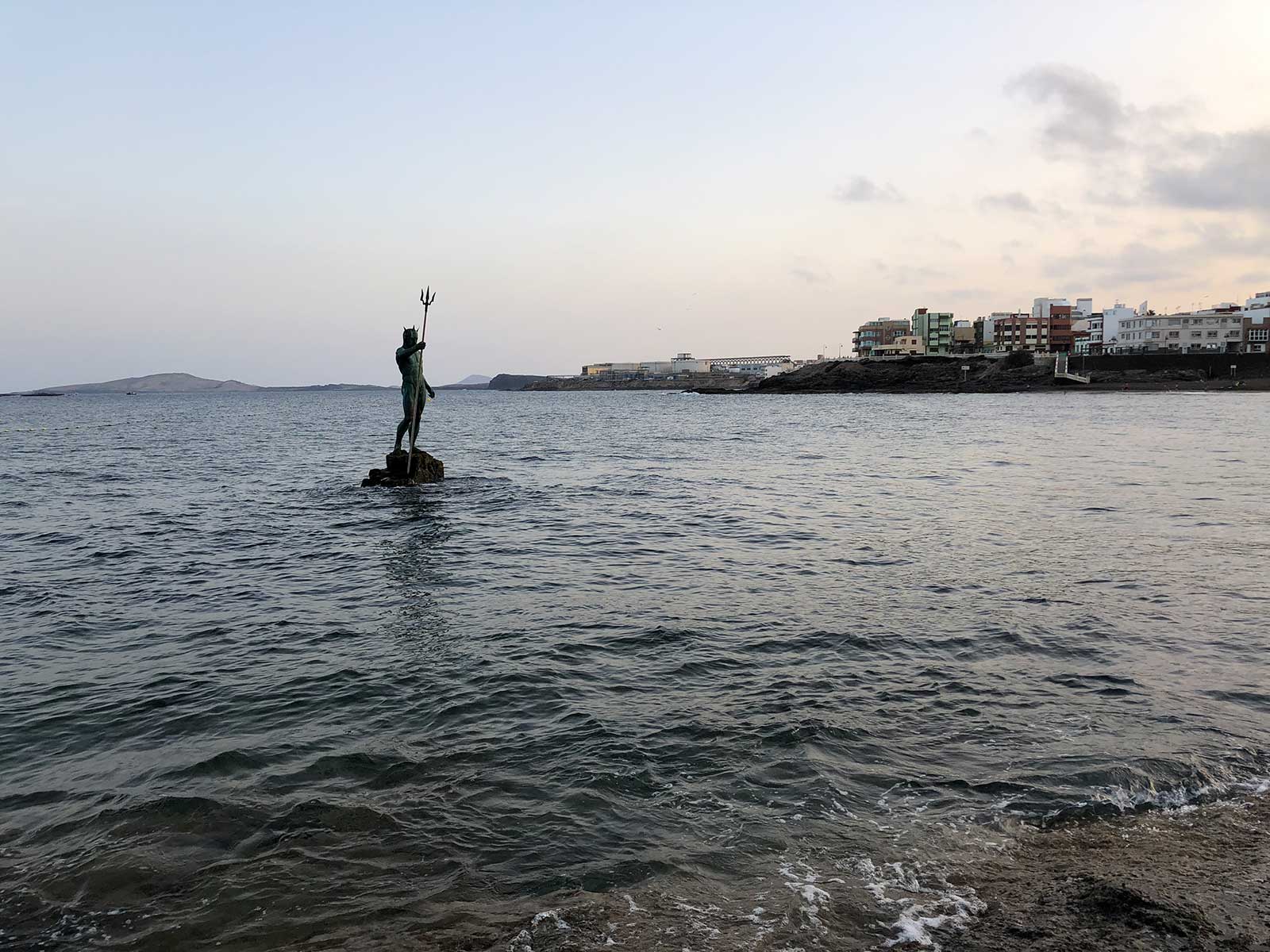
Exploring Las Palmas de Gran Canaria: City Guide
Welcome to Las Palmas de Gran Canaria, a vibrant capital city that perfectly blends historic charm, cultural richness, and stunning urban beaches. As the largest city in the Canary Islands, it offers a dynamic experience for every type of traveler, from history buffs to beach lovers and food enthusiasts.
This guide will take you through the best of Las Palmas, helping you navigate its diverse neighborhoods, discover its hidden gems, and make the most of your visit to this captivating Atlantic hub.
Getting There and Around
Las Palmas de Gran Canaria is easily accessible, primarily throughGran Canaria Airport (LPA), located about 20 kilometers south of the city. From the airport, you can reach the city center via bus, taxi, or rental car. The public bus service (Global) offers frequent and affordable connections directly to various points in Las Palmas.
Once in the city, getting around is straightforward. The comprehensiveGuaguas Municipales(city bus) network covers all major areas. For exploring the central districts like Vegueta and Triana, walking is highly recommended, allowing you to soak in the atmosphere and admire the architecture. Taxis are also readily available and reasonably priced for longer distances or late-night travel.
Vegueta: The Historic Heart
Step back in time as you wander throughVegueta, the oldest district of Las Palmas and a UNESCO World Heritage candidate. Founded in 1478, its narrow cobblestone streets, charming squares, and traditional Canarian balconies tell tales of centuries past, including visits from Christopher Columbus.
Must-See Sights in Vegueta:
- Catedral de Santa Ana:Dominating Plaza de Santa Ana, this impressive cathedral blends various architectural styles. Climb its tower for panoramic views of the city and harbor.
- Casa de Colón (Columbus House Museum):This beautifully preserved building, believed to be where Christopher Columbus stayed during his stopovers, houses exhibitions on his voyages and pre-Columbian culture.
- Museo Canario:Delve into the indigenous Guanche culture of Gran Canaria with an extensive collection of archaeological artifacts, including mummies and ceramics.
- Plaza de Santa Ana:The main square, flanked by the cathedral and the Casas Consistoriales (City Hall), is a perfect spot to relax and watch daily life unfold, often guarded by the iconic bronze dog statues.
- Mercado de Vegueta:Experience the vibrant local market, a feast for the senses with fresh produce, seafood, and local delicacies.
Fun Fact:Christopher Columbus reportedly visited Las Palmas de Gran Canaria on his first voyage to the Americas in 1492, stopping to repair one of his ships. The Casa de Colón museum commemorates this historical connection.
In the evenings, Vegueta transforms. Its squares and alleys come alive with tapas bars and restaurants, offering a lively atmosphere perfect for enjoying traditional Canarian cuisine and local wines.
Triana: Shopping and Culture
Adjacent to Vegueta,Trianaoffers a different, yet equally captivating, experience. This bustling pedestrian shopping street is renowned for its elegant modernist architecture, boutique shops, and cultural institutions.
Stroll along Calle Triana, admiring the ornate facades and stopping for coffee at one of the many charming cafes. Here you'll find a mix of international brands and local stores, making it a prime destination for retail therapy.
Cultural Highlights in Triana:
- Teatro Pérez Galdós:Named after the famous Canarian writer, this stunning theater hosts a diverse program of plays, concerts, and operas. Its beautifully restored interior is a sight to behold.
- Gabinetes Literario:An architectural gem and cultural club, often hosting exhibitions and events.
Las Canteras Beach: Urban Oasis
One of Las Palmas' crowning jewels isPlaya de Las Canteras, a magnificent urban beach stretching over three kilometers. Consistently ranked among the best city beaches in the world, it offers golden sands, calm waters, and a lively promenade.
The beach is protected by "La Barra," a natural reef that creates a tranquil, natural swimming pool perfect for families and snorkelers. Beyond the reef, surfers can catch waves, especially at the northern end (La Cícer). The promenade, known as Paseo de Las Canteras, is ideal for walking, jogging, or cycling, lined with an array of restaurants, cafes, and ice cream parlors.
At the western end of Las Canteras, you'll find the strikingAlfredo Kraus Auditorium, a contemporary architectural masterpiece that hosts concerts, conferences, and the annual Las Palmas de Gran Canaria International Film Festival.
Beyond the Main Hubs: Other Neighborhoods & Attractions
While Vegueta, Triana, and Las Canteras form the core of any visit, Las Palmas offers more to explore:
- El Puerto (Puerto de la Luz):A bustling port area, historically significant and home to the Parque de Santa Catalina, a lively square often hosting festivals and events, including the famous Carnival.
- Parque Doramas:A beautiful park featuring traditional Canarian architecture, lush gardens, and the Pueblo Canario, an architectural complex designed by Nestor de la Torre that showcases Canarian folklore and crafts.
- Jardín Botánico Canario Viera y Clavijo:Located just outside the city in Tafira Alta, this impressive botanical garden is dedicated to preserving the diverse flora of the Canary Islands. It’s a tranquil escape and a fascinating insight into the islands' unique ecosystem.
Day Trips from Las Palmas
Las Palmas de Gran Canaria serves as an excellent base for exploring the wider island. The island's diverse landscapes are easily accessible by car or bus:
- Caldera de Bandama:A short drive from the city, this spectacular volcanic crater offers breathtaking views. You can hike down into the caldera or enjoy the panoramic vistas from its rim at Pico de Bandama.
- Mountainous Interior:Venture into the island's dramatic central mountains. Destinations like Pico de las Nieves, the highest point on the island, and the iconic Roque Nublo offer unparalleled hiking opportunities and stunning natural beauty.
- Archaeological Sites:Explore ancient Guanche history at sites like the Cueva de Cuatro Puertas, an impressive cave complex with historical significance.
Practical Tips for Visitors
- Best Time to Visit:Las Palmas enjoys a mild climate year-round. While summer (June-August) is popular, spring and autumn offer pleasant temperatures and fewer crowds.
- Language:Spanish is the official language. While English is spoken in tourist areas, learning a few basic Spanish phrases will enhance your experience.
- Local Cuisine:Don't leave without tryingpapas arrugadas con mojo(wrinkled potatoes with spicy sauces), fresh seafood, and traditional Canarian stews. The city also has a burgeoning international food scene.
- Siesta:Many smaller shops and businesses observe a siesta, closing in the early afternoon and reopening later in the evening. Plan your shopping and errands accordingly.
- Sun Protection:The sun in Gran Canaria is strong, even on cloudy days. Always use high-factor sunscreen, wear a hat, and stay hydrated.
Las Palmas de Gran Canaria is a city of contrasts and charms, offering a rich tapestry of experiences that blend history, culture, and nature. Whether you're exploring its ancient streets, relaxing on its golden beach, or using it as a springboard for island adventures, this vibrant capital promises an unforgettable journey.