
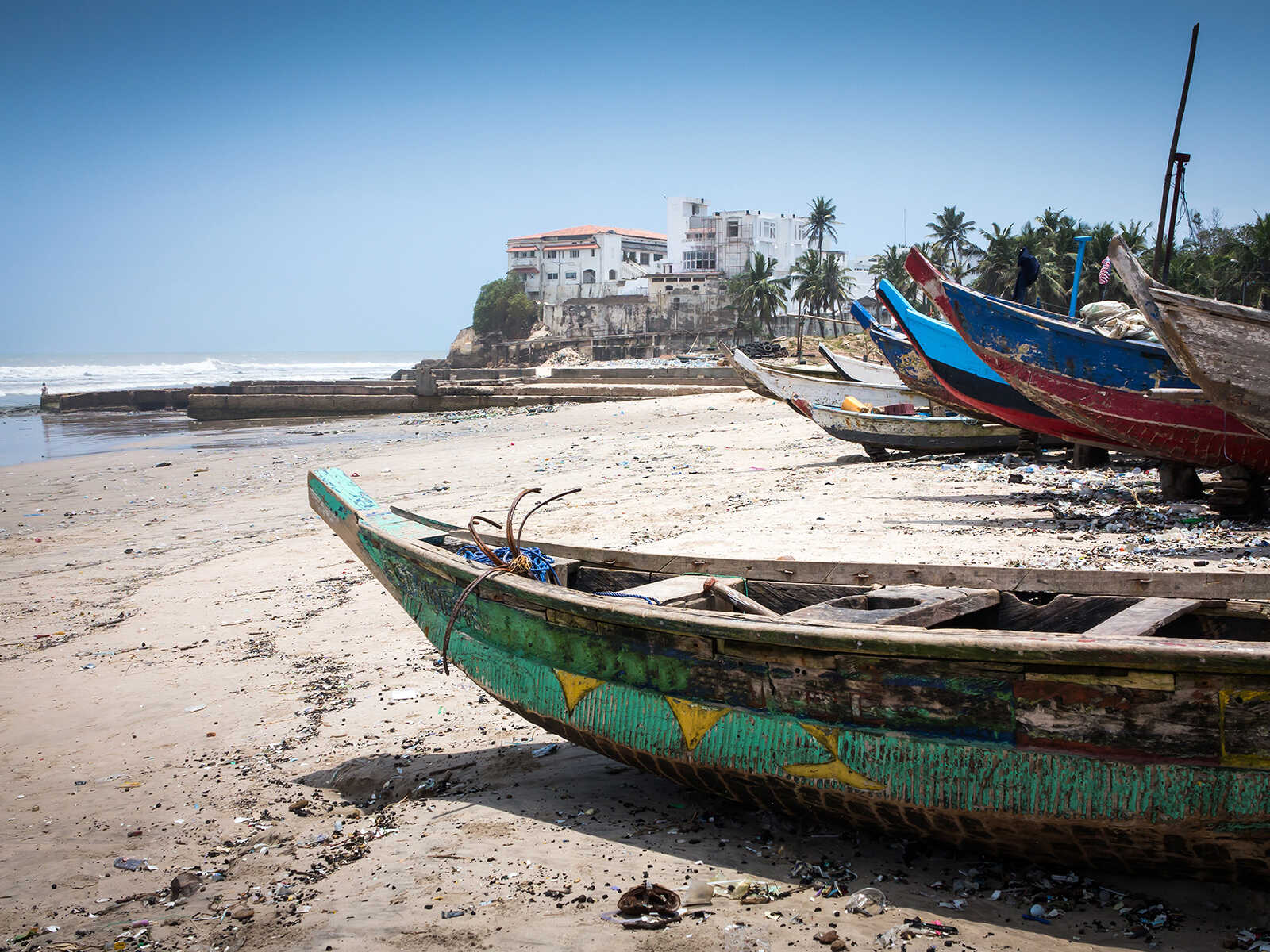
The Rich History of Ghana: Key Events & Cultural Milestones
Ghana, a nation celebrated for its vibrant culture and warm hospitality, boasts a captivating history stretching back millennia. From ancient kingdoms to a beacon of African independence, its past is a tapestry woven with significant events and enduring cultural traditions that continue to shape its identity today.
Ancient Roots and Early Kingdoms
Long before European contact, the lands now known as Ghana were home to sophisticated civilizations and powerful kingdoms. While the legendary Ghana Empire (Wagadou) was geographically located further north, its prestige and name influenced the decision to adopt "Ghana" upon independence. Closer to home, the Akan people, a dominant ethnic group, established powerful states, including the Bono Kingdom, Denkyira, and most notably, the Ashanti Kingdom.
TheAshanti Kingdom, which rose to prominence in the 17th century, became one of West Africa's most influential and enduring empires. Centered around Kumasi, the kingdom was renowned for its intricate political structure, formidable military, and rich cultural heritage. The sacredGolden Stool(Sika Dwa Kofi) symbolizes the soul of the Ashanti nation, believed to contain the spirit of its people, and remains a powerful emblem of their traditions and unity.
Fun Fact:The Golden Stool is so revered that it is never allowed to touch the ground and is only brought out for special occasions. Its defense against British attempts to seize it played a significant role in Ashanti resistance during colonial times.
The Era of European Influence and the Slave Trade
The arrival of European traders in the late 15th century marked a transformative period in Ghana's history. The Portuguese were the first to establish a presence, building the formidable Elmina Castle in 1482, initially for gold trade, earning the region the moniker "Gold Coast." This was soon followed by other European powers – the Dutch, Swedes, Danes, Brandenburgers, and eventually the British – all vying for control of the lucrative trade routes.
However, the focus of trade tragically shifted from gold to human beings with the rise of the Transatlantic Slave Trade. Forts and castles like Elmina Castle and Cape Coast Castle became chilling symbols of this dark chapter, serving as departure points for millions of Africans forcibly taken across the Atlantic. These historical sites stand today as solemn reminders and powerful educational monuments to the enduring legacy of slavery.
Colonial Rule and the Struggle for Independence
By the late 19th century, the British had consolidated their power, formally establishing the Gold Coast Colony. Despite colonial dominance, resistance movements and calls for self-governance steadily grew. Educated elites and traditional leaders began to articulate a vision for an independent Ghana.
The mid-20th century saw the emergence of a powerful nationalist movement, spearheaded by figures like the "Big Six," including Joseph B. Danquah, Emmanuel Obetsebi-Lamptey, Edward Akufo-Addo, William Ofori Atta, Ako Adjei, and the charismatic Kwame Nkrumah. Nkrumah, returning from studies abroad, galvanized the masses with his Convention People's Party (CPP) and a message of immediate self-rule.
On March 6, 1957, Ghana proudly became the first sub-Saharan African nation to gain independence from colonial rule, a moment celebrated at Black Star Square in Accra. Kwame Nkrumah became Ghana's first President, dedicating his efforts to pan-Africanism and the liberation of the entire continent. His legacy is honored at the Kwame Nkrumah Memorial Park, a significant site for understanding Ghana's post-colonial journey.
Post-Independence Ghana: Challenges and Progress
Ghana's post-independence era was marked by both visionary leadership and periods of political instability. Nkrumah's socialist policies and pan-African ambitions led to internal dissent and, eventually, a military coup in 1966. The subsequent decades saw a series of coups and military rule, interspersed with attempts at democratic governance.
A pivotal moment arrived in the early 1990s with the transition to multi-party democracy under Jerry Rawlings. This ushered in an era of greater political stability and economic reform, solidifying Ghana's reputation as a democratic success story in Africa. Today, Ghana is a thriving democracy, experiencing consistent economic growth and actively working towards sustainable development.
Cultural Milestones and Enduring Traditions
Ghana's rich history is intrinsically linked to its vibrant and diverse culture, a mosaic of ethnic groups, languages, and traditions.
Traditional Arts and Crafts
- Kente Cloth:Perhaps Ghana's most iconic textile, Kente is a hand-woven fabric of silk and cotton strips, renowned for its dazzling colors and intricate patterns. Each color and pattern carries specific symbolic meanings, often reflecting proverbs, historical events, or social status.
- Adinkra Symbols:These ancient symbols, originating from the Akan people, represent concepts, aphorisms, and historical events. They are often printed on fabric for funerals and important ceremonies but are also widely used in pottery, wood carvings, and modern designs.
- Wood Carving:Ghanaian artisans are celebrated for their skill in wood carving, producing everything from traditional stools and fertility dolls to masks and statues.
Music and Dance
Music and dance are integral to Ghanaian life, deeply embedded in ceremonies, celebrations, and daily routines. Highlife, a fusion of traditional Akan melodies and Western instruments, emerged in the early 20th century as Ghana's popular music genre, influencing countless African artists. Traditional drumming, with its complex rhythms and communicative power, remains a cornerstone of cultural expression. Festivals like Homowo (Ga people), Hogbetsotso (Anlo Ewe), and Akwasidae (Ashanti) are vibrant showcases of these traditions.
Cuisine
Ghanaian cuisine is a delightful exploration of flavors, typically featuring staple foods like rice, yam, plantain, and cassava. Popular dishes includeJollof Rice(a spicy one-pot rice dish),Banku(fermented corn and cassava dough) served with Okro Stew, andFufu(pounded cassava and plantain or yam) often accompanied by light soup or groundnut soup. These dishes are more than just food; they are a part of communal life and cultural identity.
Language and Values
Ghana is a multilingual nation with over 80 indigenous languages, including Twi (Akan), Ga, and Ewe, alongside English as the official language. Underlying these linguistic differences are shared cultural values emphasizing community, respect for elders, hospitality, and a strong sense of family.
Ghana Today: A Legacy of Resilience
Modern Ghana stands as a testament to its people's resilience and enduring spirit. It continues to be a vibrant center of West African culture, democracy, and economic development. Visitors today can explore its historical depths, from the poignant slave castles like Cape Coast Castle to the bustling markets of Accra, or even venture into its natural wonders such as Kakum National Park. Understanding Ghana's rich past provides invaluable context for appreciating its dynamic present and promising future.
Ghana's journey, from ancient kingdoms to a leading voice in African independence, offers profound lessons in perseverance, cultural preservation, and the pursuit of self-determination. It is a history that continues to inspire and welcome visitors to discover its many layers.