
Responsible Tourism in Ghana: Ethical Travel Tips for Visitors
Ghana, a nation brimming with vibrant culture, rich history, and breathtaking natural beauty, offers an unforgettable travel experience. As you plan your adventure, consider how your visit can positively impact the communities and environments you encounter, embracing the spirit of responsible tourism.
Responsible tourism isn't just a buzzword; it's a commitment to making a positive difference. By traveling ethically, you contribute to preserving Ghana's precious heritage, supporting its local economy, and ensuring that future generations can also enjoy its wonders. This guide offers practical tips to help you become a conscious traveler in the heart of West Africa.
Embracing Environmental Responsibility
Ghana's diverse landscapes, from its pristine beaches to its lush rainforests and vast savannas, are vital ecosystems. Your actions can help protect them.
Minimize Your Environmental Footprint
- Reduce Plastic Waste:Ghana, like many nations, grapples with plastic pollution. Carry a reusable water bottle and fill it from purified sources. Decline plastic bags for purchases whenever possible.
- Conserve Resources:Be mindful of water and electricity usage in your accommodations. Turn off lights and air conditioning when you leave your room, and take shorter showers.
- Leave No Trace:When visiting natural sites like Kakum National Park,Mole National Park, or Wli Waterfalls, always pack out what you pack in. Dispose of waste responsibly and avoid littering.
Respect Wildlife and Natural Habitats
Ghana is home to incredible biodiversity. Observe wildlife from a respectful distance and never disturb animals or their habitats. Avoid participating in activities that exploit animals, such as riding on endangered species or purchasing products made from protected wildlife.
Supporting eco-tourism initiatives and parks that prioritize conservation, like Mole National Park, helps fund vital protection efforts. Remember that even seemingly harmless actions, like feeding wild animals, can disrupt their natural behaviors and health.
Fostering Socio-Cultural Respect
Ghanaian culture is rich and welcoming. Engaging respectfully with local customs and traditions enriches your experience and shows appreciation for your hosts.
Understand and Respect Local Customs
- Dress Modestly:While Ghana is generally tolerant, modest dress is appreciated, especially when visiting religious sites, rural areas, or formal gatherings. Shoulders and knees covered are a good rule of thumb.
- Ask Before Photographing:Always ask for permission before taking photos of individuals, particularly children. Respect their decision if they decline.
- Learn Basic Phrases:A few words of Twi (akwaaba- welcome,medaase- thank you) or Ga can go a long way in building rapport and showing respect.
- Bargain Respectfully:When shopping in markets, bargaining is common, but do so with a smile and good humor. Avoid aggressive tactics.
In Ghana, greeting elders and offering a handshake with the right hand is a sign of respect. Always pass and receive items with your right hand.
Engage with History Mindfully
Sites like Cape Coast Castle and Elmina Castle are powerful reminders of the transatlantic slave trade. Approach these historical sites with solemnity and an open mind, reflecting on the profound impact of their history. Similarly, when visiting monuments like Kwame Nkrumah Memorial Park or Black Star Square, take time to understand their significance in Ghana's journey to independence.
Be Wary of Volunteer Tourism Pitfalls
While volunteering can be noble, research organizations thoroughly. Ensure they have legitimate projects, clear goals, and do not displace local jobs or create dependency. Be particularly cautious about "orphanage tourism," which can inadvertently harm children by encouraging short-term attachments and potentially even child trafficking.
Promoting Economic Responsibility
Your spending choices have a direct impact on the local economy. By consciously supporting local businesses, you help ensure that the financial benefits of tourism stay within Ghana.
Support Local Businesses and Artisans
- Buy Local:Purchase souvenirs, crafts, and goods directly from local artisans and markets. This ensures your money goes directly to the producers and supports traditional skills. Look for items made in Ghana, not mass-produced imports.
- Eat Local:Seek out local restaurants, street food vendors, and small eateries. Not only will you experience authentic Ghanaian cuisine, but you'll also be contributing to local livelihoods.
- Hire Local:Employ local guides, drivers, and tour operators. They offer invaluable insights and ensure that tourism-related income benefits their communities.
When you choose a locally-owned guesthouse or restaurant, you're directly supporting a Ghanaian family and their community, fostering sustainable economic growth.
Fair Wage and Tipping Practices
While there are no strict rules, appropriate tipping for good service is appreciated in Ghana. For guides, drivers, and hotel staff, a modest tip is a kind gesture. Always ensure you are paying a fair price for goods and services, especially for local produce or crafts, avoiding aggressive bargaining that undermines local livelihoods.
Practical Tips for Your Ethical Journey
Integrating responsible practices into your travel routine is easier than you think.
Before You Depart
- Research:Familiarize yourself with Ghana's culture, history, and current events. Understanding the context of your visit enhances your appreciation and ability to interact respectfully.
- Pack Smart:Choose eco-friendly toiletries, bring a reusable shopping bag, and consider clothing made from sustainable materials.
During Your Trip
- Choose Sustainable Transport:Opt for public transport like tro-tros (shared minibuses) or shared taxis where appropriate. They are a great way to experience local life and reduce your carbon footprint.
- Respect Sacred Sites:When visiting religious sites like the Larabanga Masjid, dress appropriately and follow any specific customs or rules for visitors.
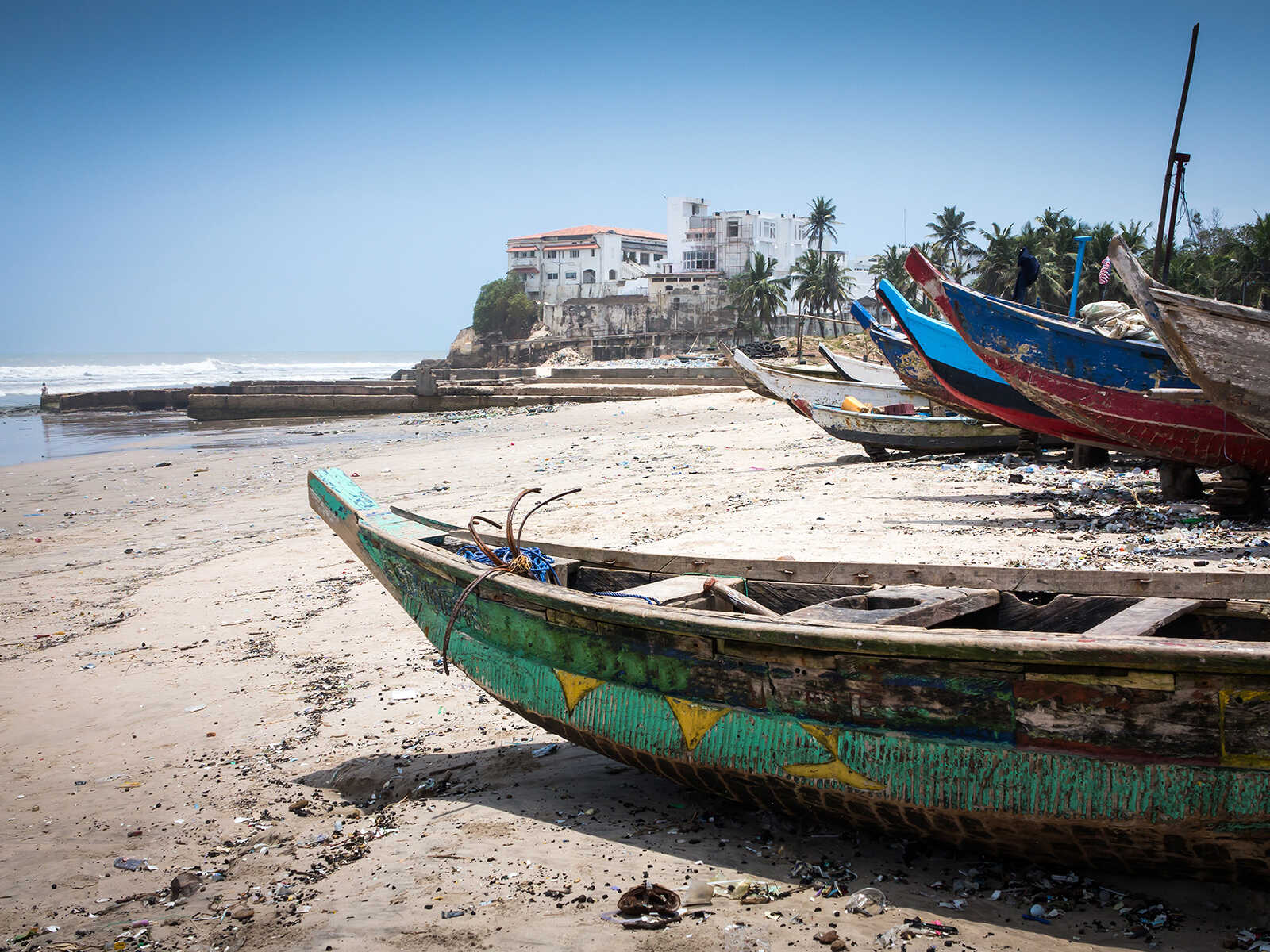
- Keep Beaches Clean:If you visit beautiful coastal areas like Labadi Beach or Bojo Beach, always dispose of your waste properly and consider participating in local clean-up efforts if available.
- Engage with Integrity:Whether you're exploring the bustling markets near Jamestown Lighthouse or admiring natural wonders like Umbrella Rock, engage with locals openly and honestly. Be a curious listener and a respectful visitor.
Traveling responsibly in Ghana is about more than just avoiding harm; it's about actively contributing to a positive impact. It’s about building connections, fostering mutual respect, and ensuring that the beauty and vibrancy of Ghana continue to thrive for all. By adopting these ethical travel tips, you embark on a journey that is not only memorable for you but also beneficial for the people and places you visit.
Enjoy your enriching and responsible adventure in Ghana!