
Kwame Nkrumah Memorial Park & Black Star Square: Accra's Historical Landmarks
Accra, Ghana's vibrant capital, is home to iconic sites that tell the powerful story of its independence. Among these, the Kwame Nkrumah Memorial Park and Black Star Square stand as poignant testaments to the nation's journey and its visionary first president.
Accra pulses with history, culture, and modernity. For travelers seeking to understand the heart of Ghana's national identity, a visit to the Kwame Nkrumah Memorial Park and Black Star Square is indispensable. These two monumental sites, located in close proximity, offer a profound look into the country's struggle for freedom and the enduring legacy of its founding father, Dr. Kwame Nkrumah.
Kwame Nkrumah Memorial Park: Honoring a Visionary Leader
The Kwame Nkrumah Memorial Park is a serene and reflective space dedicated to Ghana's first president, Osagyefo Dr. Kwame Nkrumah, who led the nation to independence from British colonial rule on March 6, 1957. The park serves not only as his final resting place but also as a museum and a symbol of Pan-Africanism.
The Mausoleum: A Symbol of Enduring Legacy
At the heart of the park lies the majestic Mausoleum, designed by Don Arthur. Its inverted sword shape, a traditional Akan symbol for peace, rises dramatically from the ground, clad in Italian marble. This striking structure houses the remains of Dr. Nkrumah and his Egyptian wife, Fathia Nkrumah. Two statues of Nkrumah, one at the entrance and another depicting him in a thoughtful pose, greet visitors, inviting contemplation on his profound impact.
Fun Fact:The design of the Mausoleum is said to resemble an upside-down sword, which in Akan tradition symbolizes peace and the end of conflict.
The Museum: A Journey Through History
Adjacent to the Mausoleum is the museum, which offers a comprehensive chronological journey through Nkrumah’s life and work. Visitors can explore a rich collection of artifacts, photographs, personal effects, and excerpts from his powerful speeches. The exhibits detail his early life, his education abroad, his role in the independence movement, his vision for a united Africa, and his ultimate overthrow.
Key highlights of the museum include:
- Early Life & Education:Insights into his formative years and intellectual development.
- Political Awakening:His involvement in the West African Students' Union and his return to the Gold Coast (now Ghana) to lead the Convention People's Party (CPP).
- Independence Struggle:Documentation of the fervent campaign for self-governance and Nkrumah's philosophy of "Positive Action."
- Pan-African Vision:Nkrumah's unwavering commitment to the liberation and unity of the entire African continent.
- Personal Items:His presidential chair, official robes, and even a bronze bust of himself.
The museum provides an invaluable educational experience, highlighting the sacrifices and determination that paved the way for Ghana's freedom and inspired other African nations.
Reflecting Pools and Gardens
The entire Kwame Nkrumah Memorial Park is meticulously maintained, featuring beautiful reflecting pools and lush gardens. These water features symbolize life and the continuity of Nkrumah's vision, while the surrounding greenery offers a tranquil environment for visitors to reflect on the historical significance of the site. A series of bronze statues depicting Nkrumah in various stages of his life and career are strategically placed throughout the park, adding to its contemplative atmosphere.
Black Star Square (Independence Square): A Stage for National Pride
Just a short walk from the Kwame Nkrumah Memorial Park lies Black Star Square, also known as Independence Square. Commissioned by Dr. Nkrumah himself, this monumental public space was created to commemorate Ghana's independence and serve as a venue for national celebrations and parades.
The Black Star Gate and Independence Arch
The most prominent feature of the square is the magnificent Black Star Gate. Topped with the iconic Black Star of Africa, which symbolizes Ghana's destiny and the hopes of the continent, this gate stands as a powerful emblem of national identity and sovereignty. The gate is flanked by the Independence Arch, inscribed with the words "Freedom and Justice" and "AD 1957," commemorating the year of Ghana's independence.
Another significant monument within the square is the Monument of the Unknown Soldier, which honors those who sacrificed their lives for Ghana's freedom and peace. The square itself is a vast open area, capable of accommodating tens of thousands of people, and is regularly used for national events, military parades, and public gatherings.
A Symbol of Unity and Celebration
Black Star Square is more than just an architectural marvel; it is a living symbol of Ghana's enduring freedom and unity. It's a place where Ghanaians gather to celebrate their independence day, national holidays, and other significant events, reinforcing a collective sense of pride and belonging. Visiting the square offers a tangible connection to Ghana's journey from colonial rule to a proud, independent nation.
Visiting Both Landmarks: Tips for Travelers
The proximity of the Kwame Nkrumah Memorial Park and Black Star Square makes them ideal for a combined visit, offering a comprehensive historical experience in central Accra.
Getting There
Both sites are centrally located in Accra and are easily accessible by taxi, ride-sharing services like Uber or Bolt, or local mini-buses known as tro-tros. Many tour operators also include these landmarks in their Accra city tours.
Best Time to Visit
To avoid the intense heat and larger crowds, it's advisable to visit both landmarks in the early morning (around 9:00 AM) or late afternoon. Weekdays generally offer a more tranquil experience than weekends. Allow approximately 1.5 to 2 hours for a thorough exploration of the Kwame Nkrumah Memorial Park, and about 30-45 minutes for Black Star Square.
Etiquette and Photography
When visiting the Kwame Nkrumah Memorial Park, respectful attire is recommended, as it is a place of remembrance. Photography is generally permitted in the outdoor areas of the park and at Black Star Square, but always check for specific restrictions, especially inside the museum. Guided tours are often available at the park and can significantly enhance your understanding of Nkrumah's life and the park's features.
Combining with Other Accra Attractions
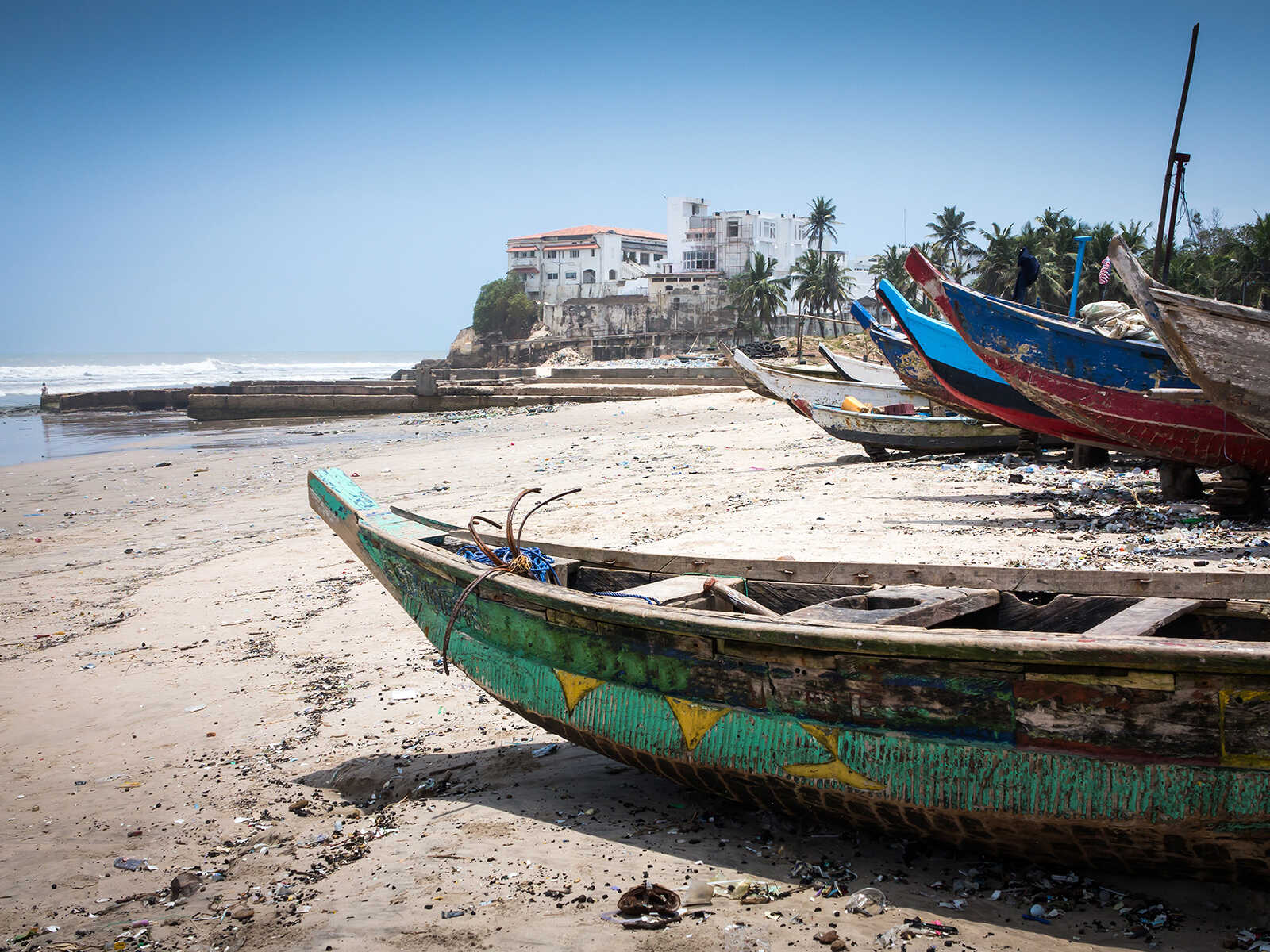
After immersing yourself in Ghana's independence history, consider exploring other fascinating sites in Accra. The vibrant fishing community and historical structures around the Jamestown Lighthouse offer a different glimpse into Accra's past. For a relaxing end to your day, head to Labadi Beach or Bojo Beach to enjoy the coastal breeze and local atmosphere.
Why These Sites Matter: A Deeper Understanding of Ghana
The Kwame Nkrumah Memorial Park and Black Star Square are not merely tourist attractions; they are living narratives of Ghana's struggle for self-determination and its enduring national identity. They provide crucial context for understanding the nation's journey and its place in African history.
Dr. Nkrumah's vision extended beyond Ghana, advocating for a united and prosperous Africa. His legacy is deeply intertwined with the broader Pan-African movement, making these sites relevant not only for Ghanaian history but for the entire continent. To truly grasp the foundations of modern Ghana and the context of its independence, it's also valuable to learn about the preceding painful history of the transatlantic slave trade, which can be explored at historical sites like Cape Coast Castle and Elmina Castle, further along Ghana's coast.
A visit to these landmarks offers a powerful educational experience, reminding us of the importance of freedom, leadership, and the enduring spirit of a nation.